Can you do low-volume or short-run production?
Yes — and it's a normal need, not an exception. The real question isn't whether a short run can be made but which method fits your quantity: 3D printing for a handful, urethane casting for tens to low hundreds, an aluminum bridge tool for hundreds to low thousands, or CNC for small runs of functional parts. You match the method to the volume so you don't overpay for tooling you don't need yet.
JCH coordinates design, tooling and production through a manufacturing network, so the guidance here is method-first — the right route for your stage, not a pitch for one process.
Match the method to the volume
| Rough volume | Method that usually fits | Trade-off |
|---|---|---|
| A few to tens | 3D printing (FDM/SLA/SLS) | Fast and tool-free; material and finish are less production-representative, and per-part cost stays roughly flat as quantity rises. |
| Tens to low hundreds | Urethane casting (resin poured into a silicone mold) | Good cosmetic parts without a steel tool; the silicone mold wears after a limited number of pulls, so it's a bridge, not production. |
| Hundreds to low thousands | Aluminum bridge injection tool (or a longer-running P20 bridge) | Real molded parts in your production resin at a far lower tool cost; the softer tool wears sooner than hardened steel. |
| Small runs of metal / functional parts | CNC machining | No tool to build and tight tolerances, but a higher per-part cost that doesn't drop much with quantity. |
| Steady, growing volume | Hardened production injection tool | Lowest per-part cost and long tool life, but the highest up-front cost — only worth it once volume is real. |
These tiers overlap and shift with part size, material, and finish — a large or cosmetic part moves the lines. The point is that "low volume" isn't one method; it's a decision about where your real volume sits and which route gets you production-representative parts for the least total cost.
Why low-volume is its own discipline
Every manufacturing method trades a fixed up-front cost (tooling) against a per-part cost. High volume justifies paying for a tool because the low per-part cost repays it many times over; low volume flips that — the tool can't pay for itself, so you either use a cheaper tool or skip the tool entirely. The skill in low-volume work is getting parts that behave like production (right material, right fit) without over-committing to tooling. Done well, it lets you launch, sell, and learn before the expensive tooling decision — which is exactly when design changes are still cheap.
How to brief a manufacturer for a short run
To get a useful quote and the right method, give the same package every time:
- Quantity now, and your expected lifetime volume — so they can point you at the right tier instead of over-tooling.
- Timeline — how fast you need parts in hand often decides between a tool-free method and cutting a bridge tool.
- Material and finish — the resin, color, and surface you need, since these rule some methods in or out.
- Production-representative, or just test parts? — the single answer that most changes the method: real resin and real process, or good enough to check form and fit.
A sample or drawing with that package lets a maker tell you whether to print, cast, bridge-tool, or go straight to production tooling — and quote it.
Using a short run to de-risk production tooling
The smartest use of low volume is as a bridge: run a few hundred parts on a low-cost method to prove the design and the market, catch changes while they're cheap, then invest in a hardened production tool once the part is stable and demand is real. It's the same logic as prototype vs. production tooling — and it's why there's no fixed minimum order quantity: the right first quantity is whatever proves the part before you commit to the big tool. Just keep tool and drawing ownership so the step-up isn't a restart.
Mixing methods inside one low-volume product
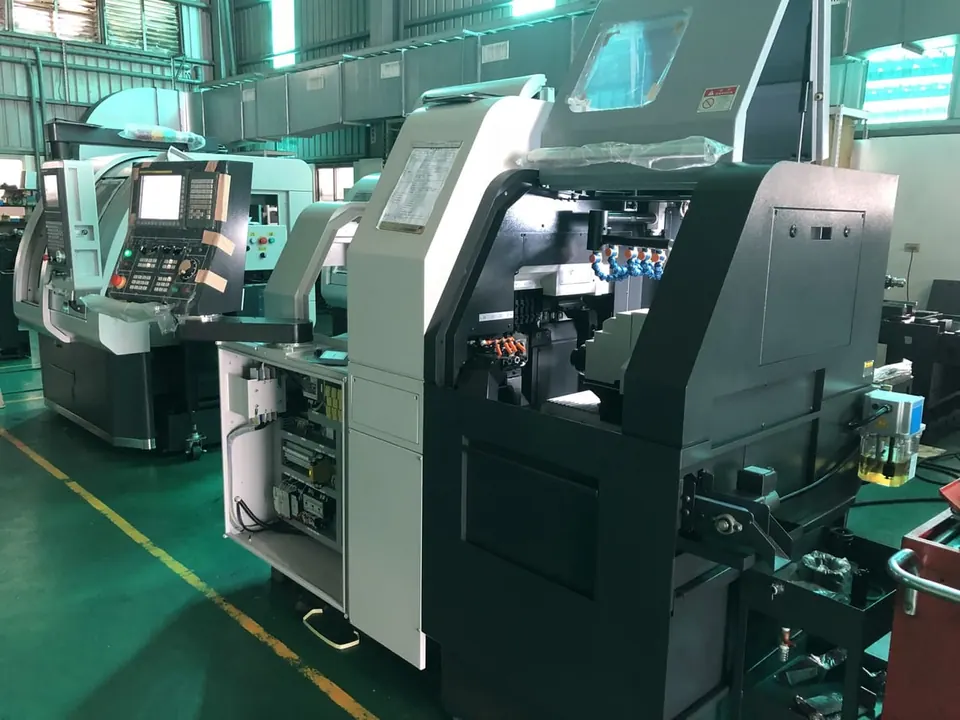
A short-run product is rarely a single part. The housing, a cover, a bracket, a knob and a gasket can each take a different route, and the lowest total cost usually comes from placing each part by its own count, function and finish instead of pushing the whole bill of materials through one process. Ask two questions part by part: how many of this part does the run really need, and what does it have to do? TEAM Rapid's low-volume guide makes the same split by quantity, pairing printing, vacuum casting and CNC with the smallest bands and molding with the larger ones.
| Part situation | Route that often fits | What to check |
|---|---|---|
| Used several times per unit (feet, clips, buttons) | Mold it first, even if nothing else is molded yet | Multiply units by quantity per unit; a small product run can be a real molding quantity for this one part |
| Large cosmetic cover with a simple shape | Urethane casting while the design settles | Cast resins imitate the production plastic but are not it; Formlabs notes cast parts stay vulnerable to UV and high temperature |
| Shaft, pin, metal bracket or heat-spreading part | CNC machining | The machined part will hold tighter than the molded part it mates with, so size the fit from the looser one |
| Snap-fit or living-hinge part | Molded in the production resin | These features depend on the real resin's stiffness and fatigue; a printed or cast version can pass a test the molded part fails, or the reverse |
| Screws, threaded inserts, springs, O-rings | Catalog parts | Design the custom parts around a stock size rather than making a custom one in small numbers |
Check the joints between methods
- Each process lands at a slightly different size relative to the CAD, so check gaps and snap engagement on assembled parts, not on the models.
- Color and gloss rarely match across processes. If a cast cover sits beside a molded base, plan a shared paint or texture, or make the contrast deliberate.
- Log which revision and which route made each part in the pilot build, so a field failure traces back to the right part.
- When a part later moves from cast or machined to molded, treat it as a new part: repeat the fit check against parts already in the field.
To compare two routes for one part, the cost-per-part calculator spreads the tooling over your quantity, and injection molding vs 3D printing covers the printed end of the choice.
Sources for this section:
- Low Volume Injection Molding: When Does It Make Sense? - TEAM Rapid
- Guide to Vacuum Casting (Urethane Casting / Polyurethane Casting) - Formlabs
Common questions
Can you do low-volume or short-run production?
Yes — it's a normal need (launches, pilot runs, spares, niche products). The question is which method fits your quantity: 3D printing for a handful, urethane casting for tens to low hundreds, an aluminum bridge tool for hundreds to low thousands, or CNC for small functional runs.
What counts as "low volume"?
It's relative to the method, not a fixed line. For molding, it usually means a run too small for a hardened production tool to pay for itself — so a lower-cost aluminum bridge tool or a tool-free method fits better. Your real lifetime volume, not just the first order, sets the tier.
What's the best way to make a few hundred parts?
Often an aluminum bridge tool (or a longer-running P20 bridge): much cheaper than a hardened tool, running real molded parts in your production resin; aluminum suits a few hundred to low thousands. Need fewer or faster? Urethane casting makes tens to a few hundred with no steel tool.
Is low-volume production more expensive per part?
Usually yes, and that's the right trade early on — you spread tooling and setup over fewer parts to avoid sinking cash into a big tool before the design and market are proven. The aim is the lowest total cost for your stage, not the lowest per-part price today.
Can I use low-volume parts to test before committing to a production tool?
Yes — a short run in a production-representative material lets you test fit, function, and demand before you pay for a hardened multi-cavity tool. Use it to catch changes while they're cheap, then tool up once the part is stable. Keep tool and drawing ownership so the step-up isn't a restart.
JCH Design & Manufacturing can look at your part, quantity, and timeline and tell you which route fits — print, cast, bridge-tool, or production tool — and how to use the first run to de-risk the next step. Send a sample, drawing, or description with your quantity; NDA first.
Book a 30-minute callAsk JCH about a short production run
Not sure whether your quantity is worth a production mold, or what a short run looks like in practice? Ask our AI assistant. It answers from this website, and Jack follows up if you want.
AI assistant. Answers can be wrong; nothing it says is a quote or a promise.