JCH Design & Manufacturing(321) 323-4474Ask for time with Jack

Taiwan manufacturing for US inventors and businesses of every size

Start with a sketch. Finish with mass production.

Drawings, prototypes, molds and production at any volume — from one part to millions. Jack runs it from your first sketch to your dock.

JCH Design & Manufacturing is a Taiwan-based tooling and contract-manufacturing partner for inventors and US businesses of every size: Jack Cheng takes your product from an idea or a drawing to your dock, with his own engineers and qualified partner factories in Taiwan, China and Vietnam.

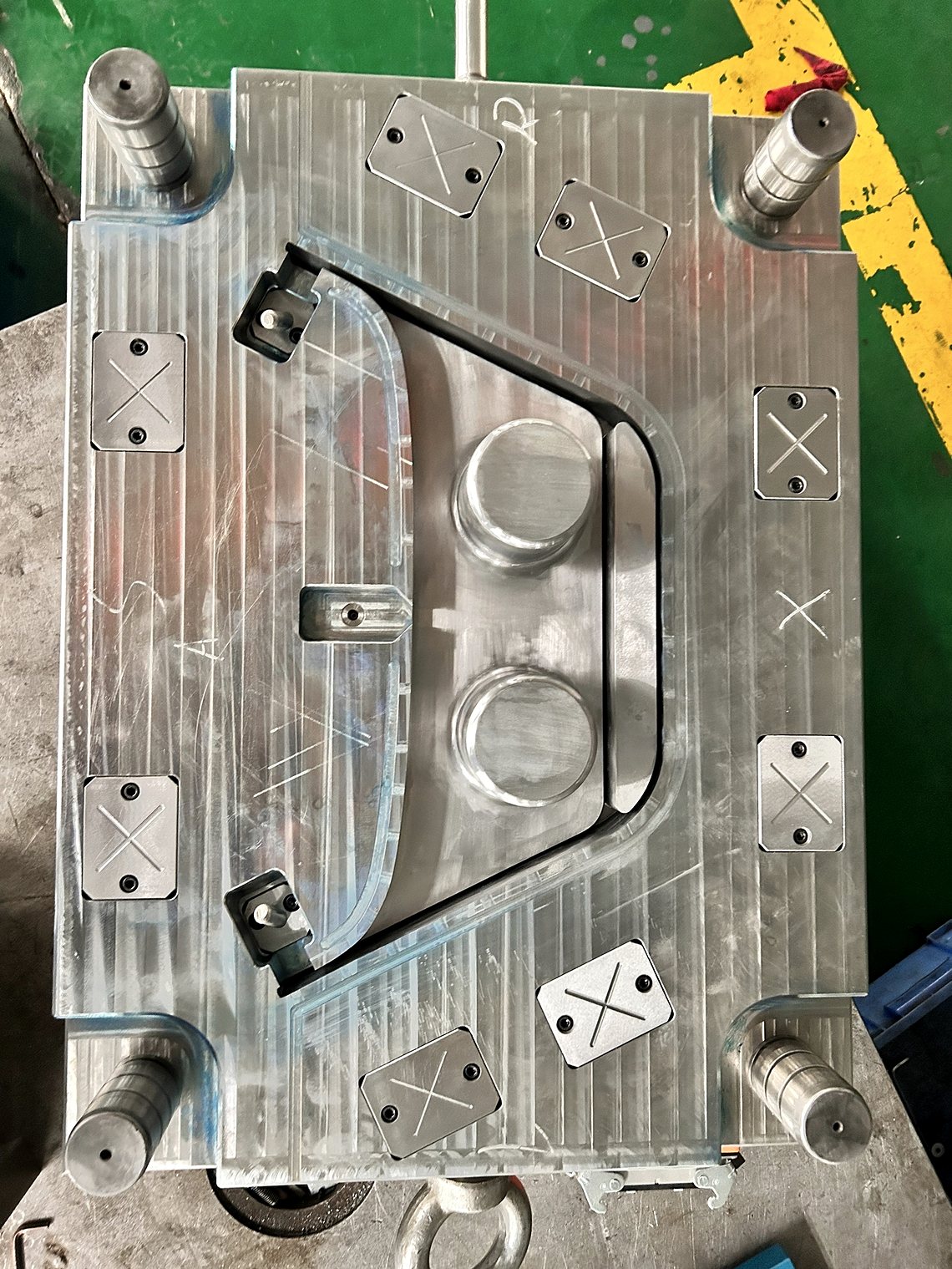
A machined mold plate on the shop floor: cavity pocket, guide pillars and lifting points

From drawing to dock

What Jack runs for you, step by step.

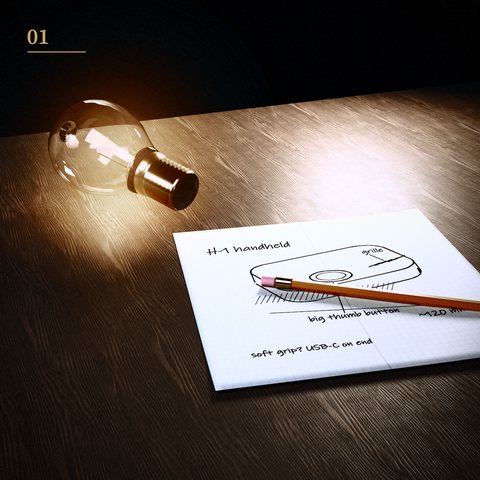
  1. A lit bulb on a workbench beside a napkin sketch of a handheld product and a pencil01IdeaBring a sketch, a photo or just the idea. We'll sign your NDA first.
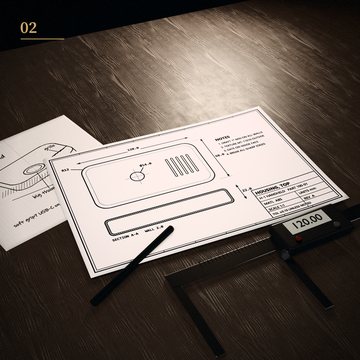
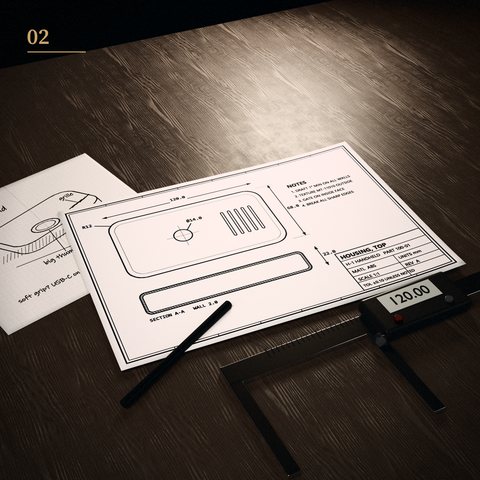
  2. A dimensioned drawing of the part on a workbench with a digital caliper and a pencil02Drawing & CADYour sketch becomes a dimensioned drawing, ready to quote.
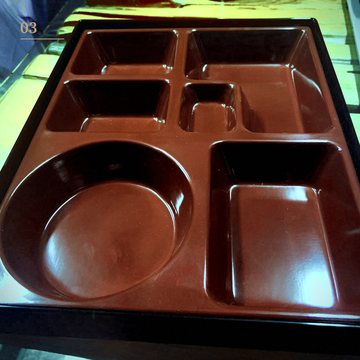
  3. An approved golden sample: a molded red and black compartment tray03PrototypeAn approved sample, checked before the production tool.
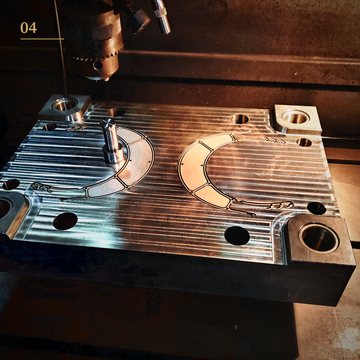
  4. A machined steel mold plate on the machine bed under the spindle04MoldSteel tooling built for your part, usually in about four weeks.
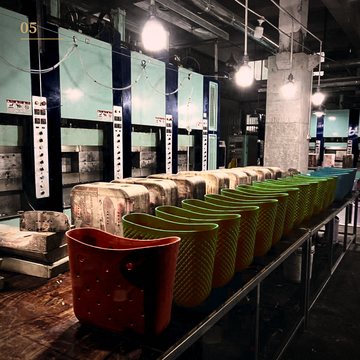
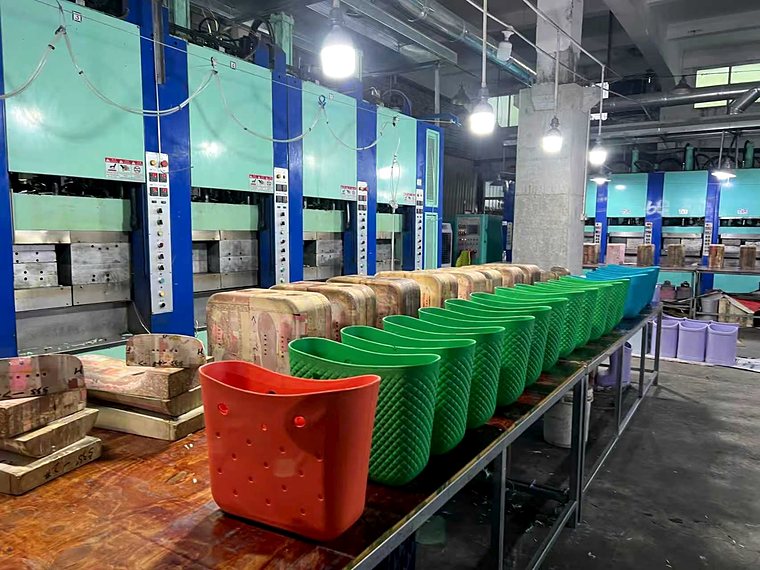
  5. Molded plastic totes lined up as they come off the injection presses05MoldingResin in, finished parts out, at any volume.
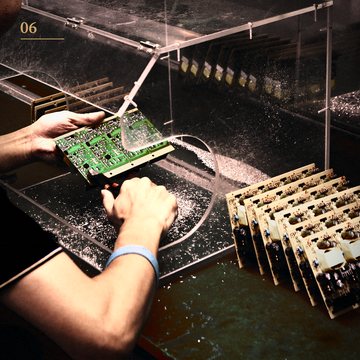
  6. Hands holding an assembled circuit board on the production line06Electronics & PCBABoards assembled and tested before they go in the housing.
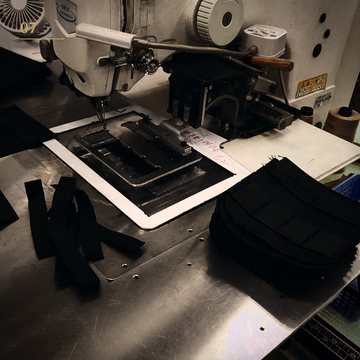
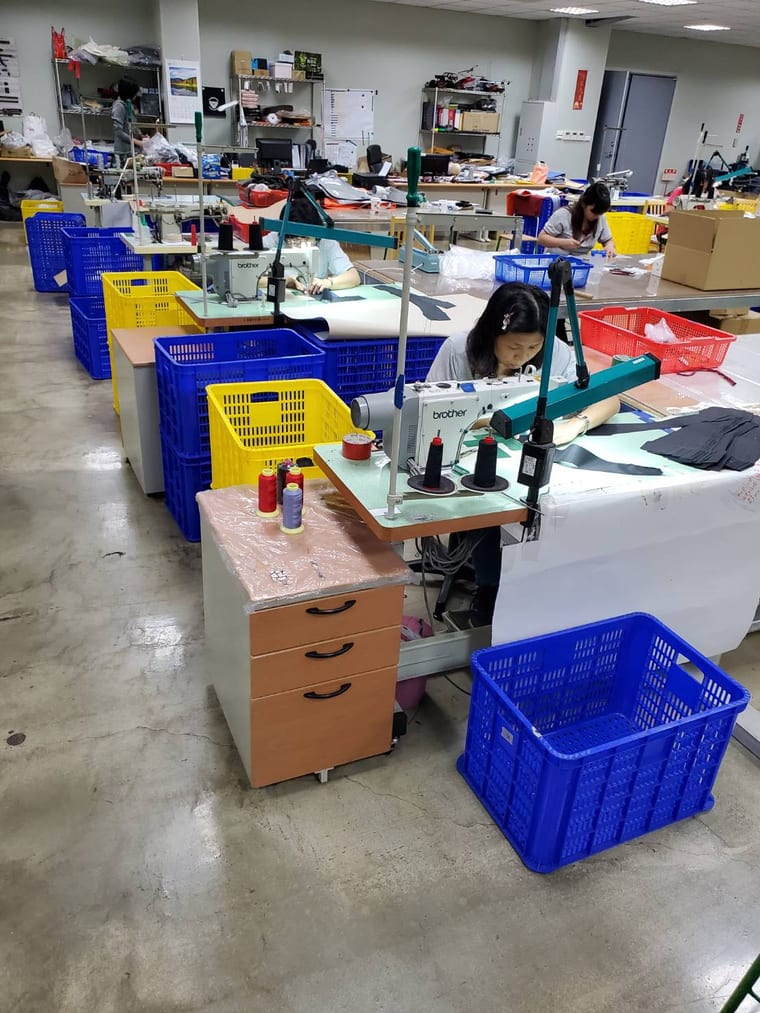
  7. An industrial pattern sewing machine with cut fabric panels07Cut & sewFabric cut, sewn and finished to a written spec.
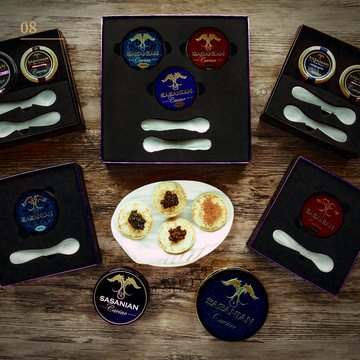
  8. A custom gift set with printed tins, spoons and fitted presentation boxes08PackagingPrinted tins and fitted boxes, made around your product.
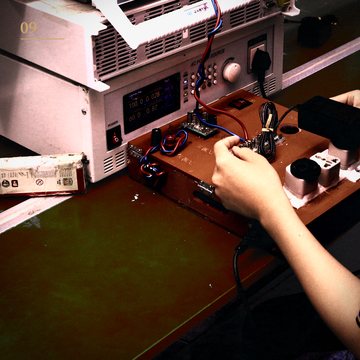
  9. Hands connecting a circuit board to a power test station for a functional test09InspectionBoards powered and tested, parts checked, before they ship.
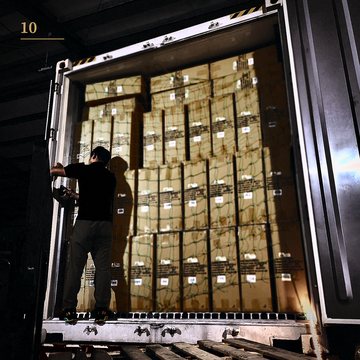
  10. A worker loading export cartons into a shipping container10Freight to your dockBooked, cleared through a licensed customs broker, and delivered to your US dock.

Jack makes getting a product made easy. One stop: consult, reverse-engineer, tool, assemble, inspect, and watch the line in Taiwan, China and Vietnam. You deal with him. His engineers, inspectors and translators — his own team and qualified third-party factories — do the rest. A sample is enough to start.

The golden sample was perfect. Lot three was not. You cannot fly to Dongguan tonight.

Jack speaks English with you and Mandarin on the floor. Vietnamese translators sit with his inspectors in Vietnam. They watch partner lines for the swap: resin grade, steel, quantity, a quiet subcontract. Jack runs programs at partner factories, and the watch is his.

Line watch in Asia ›  ·  Why the sample is a sales tool ›  ·  Why Taiwan is not China for US duty ›

Then it gets easy.

01You write onceA person reads it — not a ticket queue.
02You speak with JackThe technical conversation is with the owner.
03He makes the job easyOne stop: consult, tool, assemble — and watch the line in Asia.

Jack answers, in English. Call or text (321) 323-4474 — he picks up. First conversations run about 20 to 30 minutes.

Toolroom where Jack's steel is cut and supervised Tool steel being cut under Jack's design path An SMT placement line on a production program Measuring room — first article against the drawing

Jack’s toolroom, the cut, first article, the board after the tool. Design and custody of the tool first — then the factories he picks for the shot and the finish.

Principal · JCH Design & Manufacturing

Jack Cheng.

Fifteen years between the US and Taiwan. Home court is Taiwan. The watch covers Taiwan, China, Vietnam.

English with you. Mandarin on the floor. Vietnamese translators with the inspectors.

Jack Cheng, principal of JCH Design & Manufacturing
Map: Taiwan is the hub. Routes run to Seattle, Los Angeles, Dallas, Chicago, New York, Atlanta and Orlando in the United States, and across Asia to China, Vietnam, Japan, Korea, Thailand, Malaysia, the Philippines and India.CHINAVIETNAMJAPANKOREATHAILANDMALAYSIAPHILIPPINESINDIASEATTLELOS ANGELESDALLASCHICAGONEW YORKATLANTAORLANDOWhere we sourceTAIWANTaichung · home courtUNITED STATESWhere we ship

The principal

Meet Jack.

Jack Cheng, principal of JCH Design & Manufacturing
Jack ChengPrincipal · tooling and contract manufacturing · Taiwan

Jack has spent his working life in tooling. He is also the person who will tell you your part should not be tooled at all.

Reverse engineeringSend the product. You get back the CAD and a route to making it better, not a shrug.
US CAD & designWe work directly with United States CAD and design experts, so drawings can be developed here before the steel is cut anywhere.
The toolCavity count, steel and finish — costed where the number actually comes from.
Tool custodyHe designs, maintains, stores and moves tools he is entrusted with — so the steel is ready when you need the next run or the next factory. Terms sit in the engagement.
His peopleEngineers, assembly and production — Jack’s own team, and qualified third-party factories when the program needs them. He does not claim to own the plants.
The floorHe is at the factory when the first article is measured, not managing it from another country.
Quality on a live lineAlready in production? His people watch the shot in Taiwan, China and Vietnam so you are not flying over to stand on it. How line watch works ›
The word noA principal who answers for the outcome gains nothing from a program that should not run.

Jack speaks English with you and Mandarin on the floor — no account manager, no version of your drawing that gets garbled on the way to the factory. Taiwan is a small island; he knows the shops. More about Jack ›

“Send me the part — sample, drawing, or half an idea. I will tell you what it needs, and whether you should make it at all.”

— how most conversations with Jack start

Product sourcing

You have a product. Jack sources the path.

Jack sources the path: his own engineers and assembly people, plus the third-party factories he qualifies, the components and the finish. He tells you if it should run. You deal with him — not a catalog of factories, and not an agent who keeps the names.

Job cardSourcing
Program
A consumer hardware line Jack tooled and ran. The customer is not named on this card.
What arrived
An existing product to be tooled and produced. Not a catalog request.
What he sourced
The factories, the molded parts, the finished assemblies. One person picking the path.
What he will not source
A tool that won’t pay for itself yet. He says so before steel is cut, and tells you the cheaper first step: samples, a prototype or a short run.
Who answers if the factory fails
Jack Cheng. Same person who specified the tool. There is nobody to hand you to.

Names live on Work Jack has done. This card is the job, not the roster.

Consignment loading at origin, from factories Jack selected

Loading at origin — the factory Jack picked, shipping under the same contract as the tool he specified.

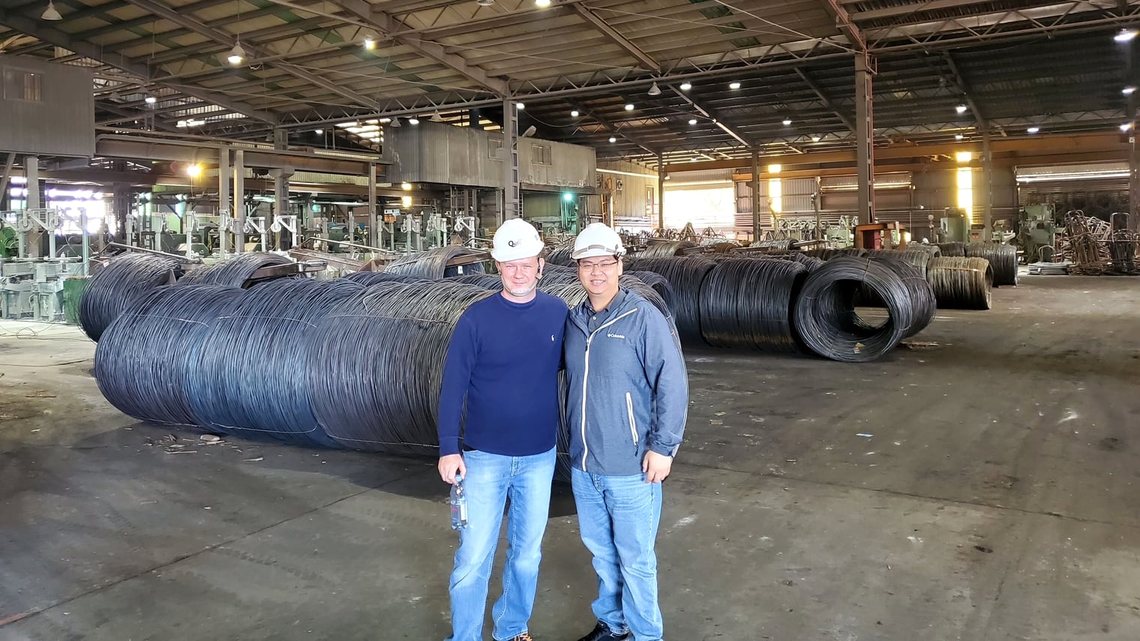
Jack Cheng, right, in a white hard hat beside a customer on the wire-coil floor of a partner factory

Jack on the floor of a factory he qualifies. Wire-rod coil, December 2019.

Before you commit

The four things worth asking any manufacturer.

Most of these are the questions people only think to ask after a program has gone wrong. Ask them now, of us and of anyone else you are talking to.

01

Who actually makes it, and where?

Partner factories he has visited

Tooling is designed and supervised by Jack. Production runs at qualified partner factories in Taiwan, China and Vietnam — third-party factories he has visited and qualified. He is on the floor for the first article. If a supplier ever tells you vaguely that it is made “in Asia”, that is the answer of someone who has not been there.

02

Who owns the tooling?

Settle it in writing, before you pay

This is the question that decides everything else, and it is where programs get trapped: pay for a tool, find out later that the factory or the agent is holding it, and you cannot leave. So put it in the contract before steel is cut — and ask every supplier you are talking to, this one included, to do the same. Ownership should be a document you can read, not a promise you have to take on faith.

03

Can you leave, and take the tool with you?

The work is routine. The permission is the question

Physically, moving a tool is ordinary industrial work: tools get audited, crated, shipped and re-qualified somewhere else every day of the week, and tools arrive from other factories the same way. That part is scheduling and logistics. The part that traps people is permission — so ask, before you are committed, who has to agree to your tool leaving, and get the answer in the same contract as the ownership term.

04

What happens when a lot fails?

Caught before it ships

Inspection happens before goods leave the factory, because that is the only point where a problem is still cheap to fix. When something does go wrong, Jack stands behind the work — his instinct is to put it right rather than argue about whose fault it was. Re-runs are handled the same way: sort the parts first, settle the paperwork after. Ask him how he has handled it before, and judge the answer.

Papers you can ask for — before you commit to anything

None of this sits on the website, because none of it is generic. It is specific to your part and to the factories that would run it, so it comes with your quotation instead. Ask for any of it at any point — you do not have to be a customer first, and you will not be charged for asking.

  • Certifications held by the factoryISO and others, held by the partner factory rather than by us, with registrar and scope so you can check them yourself.
  • First-article measurement reportYour part, your drawing, the measured numbers — before volume is released.
  • Tooling ownership, in your contractAsk for the ownership term in writing before you pay for a tool — here or anywhere else.
  • Lead times for your programTool and first production, quoted against your actual part rather than a published average.

If a supplier cannot produce these, that tells you something. If they can and make you sign first, that tells you more.

How your part gets made

One person owns your part, from drawing to delivery.

You deal with Jack at every step. He designs the tool, picks the factory and is on the floor when the first part is measured. No hand-off to an agent you have never met.

  1. A product idea sketched on paper beside a light bulb

    Step 1: Your part

    You send an idea, a sample or a drawing. Jack reads it himself.

    Where
    You, in the US
    Owner
    Jack
  2. A dimensioned part drawing with a caliper on a workbench

    Step 2: Tool designed

    The mold is designed: CAD, design for manufacture, cavity layout.

    Where
    Taiwan
    Owner
    Jack
  3. A machined steel mold plate on the bed of a milling machine

    Step 3: Tool cut

    The steel is cut, the tool is tried out and the first part is measured.

    Where
    Taiwan
    Owner
    Jack
  4. Molded parts cooling on a bench beside a row of injection presses

    Step 4: Production

    Molding, electronics (PCBA) and assembly at qualified factories.

    Where
    Taiwan, China or Vietnam
    Owner
    Jack
  5. Cartons loaded into a shipping container

    Step 5: Delivered to you

    Inspected, cleared through customs and delivered to your dock.

    Where
    To you, in the US
    Owner
    Jack

Owner, steps 1 to 5 Jack Cheng. One person, one number: (321) 323-4474

So — who answers at 2am?

The headline is a real question, and it deserves a mechanism rather than a reassurance. Here is the whole of it.

The hourTwo in the morning here is the middle of the working day in Taiwan. The floor your part is running on is staffed and awake while you are not.
The personYou write to Jack. He speaks English with you and Mandarin on the floor. Vietnamese translators sit with his inspectors in Vietnam. You are not opening a ticket.
The answerWhatever happens on a floor twelve time zones away, Jack owns it end to end. He specified the tool, picked the path, and his people stood there when the first article was measured — so there is nobody for him to hand you off to.

Why this is different

Most suppliers put a wall between you and the person who can actually help.

If you have been gated by an agent or lost in a ticket queue, you will recognize the left-hand column.

A big provider
Working with Jack
Your inquiry goes to a form, then a queue
Your inquiry goes to a person — then straight to Jack
An account manager who has never cut steel
Jack: reverse engineering, CAD, tooling, his team, assembly
Quoted from a template
Quoted against your drawing or sample, by the man who will run it
You find out about a problem at lot three
You have the owner's ear before the tool is cut
The golden sample was perfect. Production was not
Jack's people stay on the floor — Mandarin, Vietnamese, English — and catch the swap

Just in from Jack

New from the floor.

Frames Jack sent over this month, from the factories he uses. Steel first, then the press, the board and the metal. Jack runs programs at partner factories he qualifies.

A row of molding presses with a line of fresh molded baskets on the bench
The press line. Parts cooling on the bench, straight off the tool.
One half of an injection mold on the floor, cavity face up
One half of a tool, cavity face up.
A large mold base under the machine, pocket and slide seats cut
A base under the machine. Pocket and slide seats down.
Surface-mount placement machines in a clean electronics hall
SMT placement, the board after the tool.
A line of aluminum crates in assembly on a factory floor
Metal programs too: crates in assembly.
A reflow oven line in an electronics works
Reflow, before the board is inspected.

Every new frame ›  ·  The plate, then the goods ›

How to reach him

What you leave with, and what we will not do.

The three steps sit at the top of this page. This is the rest of the door.

What you have after the call.

Deliverables, not a follow-up sequence.

  • A plain read on whether the part should be tooled, reverse-engineered, or left alone
  • CAD / DFM direction when you only have a sample or a half-finished idea
  • A quote worked against your drawing or sample — not a template
  • Tool cost broken into cavity count, steel and finish so you can see where the number comes from
  • The piece price that follows, and what moves it
  • A clear path through his own engineers, assembly people and qualified third-party factories — or a plain no
  • Quality babysitting on a program already in production, if that is what you actually need
  • A plain read on whether the line is swapping material, shorting quantity, or running a different lot than the sample you signed

What we won’t do.

Published because we are already living by it.

  • Hand you to an account manager and call it the same conversation
  • Quote a tool from a photograph and a hopeful guess
  • Put certifications on this page that belong to the partner factories — they are theirs, and we name them on request
  • Put an agent between you and the toolmaker, or pad a price behind your back
  • Sell you a tool your volume can’t pay for yet
  • Promise a turnaround we would have to be lucky to hit
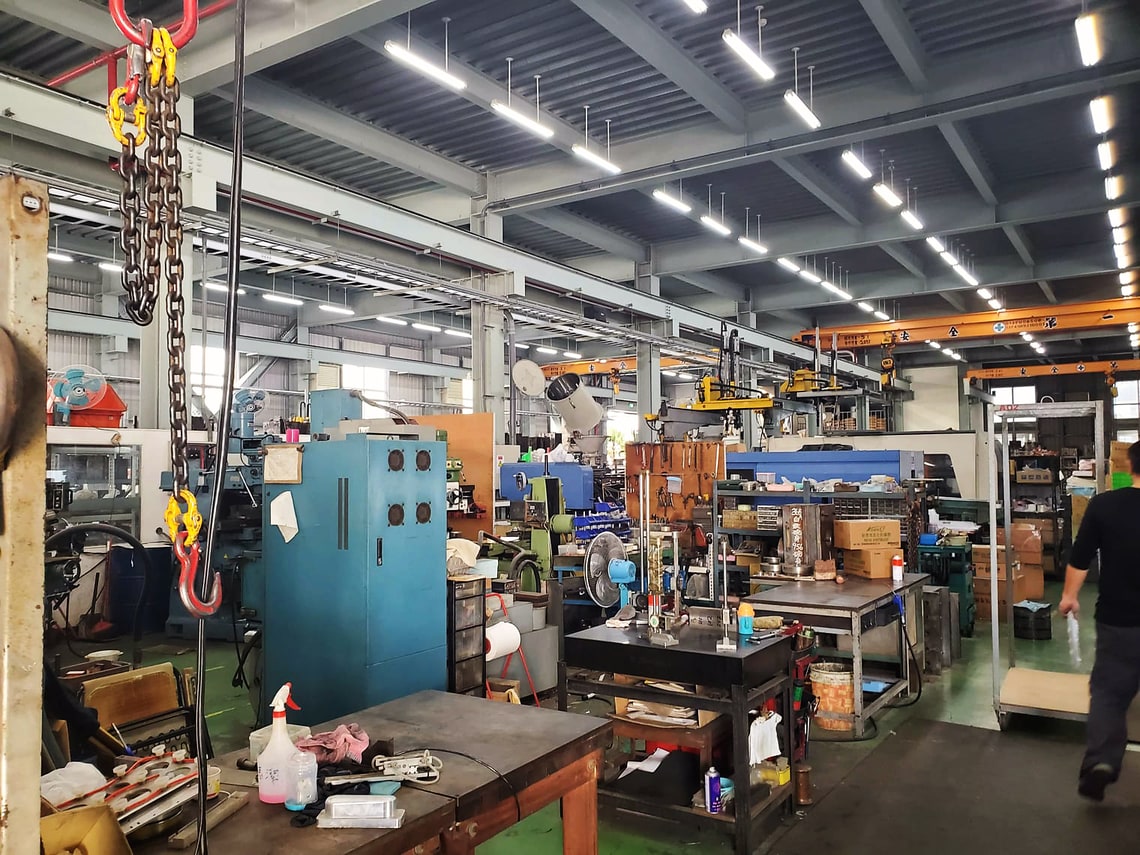
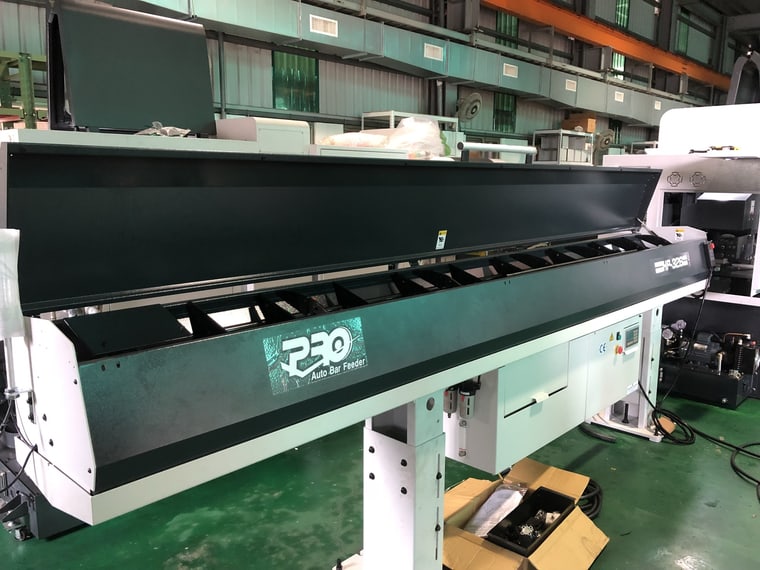
The partner factory, floor level Inspection on the factory floor A CNC bar line at the factory

The floor, the measuring room and the bay where tools are cut. Photographs of the actual factories — not a stock photo of a handshake.

An honest limit.

Jack answers the phone himself, and we would rather say that than pretend otherwise. The work is done by his engineers, his assembly people, and the factories he qualifies — not by an account manager with a script. If he is on a shop floor or mid-program, the time you are offered may be a few days out. What we will not do is hand you to somebody else and call it the same conversation.

What he takes on

From reverse engineering to assembly — and the network in between.

Bring an idea, a sketch, or a product you can hold. We can prototype it, copy it, reverse-engineer it, tool it and mass-produce it, and for bags and pouches there is cut-and-sew manufacturing too. Across the programs he has run, the breadth is the point — and Jack will still tell you plainly when a program should not run.

HardwareConsumer products, pet doors, mechanical assemblies and the tools behind them.
ElectronicsPCBA, firmware-adjacent builds, and finished device assembly under his control.
Heavy toolingIncluding multi-ton injection molds — engineered and proved before volume.
Paper & packPaper goods, packaging, private-label carton and compliance paths. Custom packaging.

See all capabilities ›

Three ways in

One part, a full program, or standing liaison.

Same principal either way. You choose how much of the journey — idea to dock — you want Jack to carry.

One part

You have a drawing or a sampleWe quote it against the drawing, engineer the tool, and run it. The simplest way to find out whether this works before you commit to anything larger.

A program

You have a category and a margin targetPrivate label from the ground up — sourcing, tooling, packaging, barcode and carton compliance, through to a landed cost you can actually price against.

Standing liaison

You are moving volume regularlyOngoing qualification, line watch in Taiwan, China and Vietnam, freight and US landing under one contract — his people on the floor so you are not flying over to stand on it.

Our loyalty is to you, not to a factory. Jack will tell you when a factory is wrong for your part, when reverse engineering is the smarter path, and when a tool won’t pay for itself yet, and what to do first instead.

Ask for time with Jack.

Tell us roughly what the part is — idea, sample, or drawing. Jack replies within 1 business day, usually by phone, and he is the one you talk to after that.

Ask for time with JackCall