

The last payment is your only leverage: payment terms that actually protect you
Why the standard 30/70 wire means you pay in full before you see a single part, what goes wrong when you do, and how to restructure the balance so some money still sits behind something you can verify.
Filed under How a program runs
Ask a factory in Shenzhen or Ho Chi Minh City for terms and you will almost certainly be quoted 30/70 T/T. Thirty percent when the order is placed, seventy percent before shipment. It sounds balanced. It is not, and the reason is worth reading twice.
You have paid in full before you have seen anything
Under 30/70, the second payment is due before the container leaves. The goods are still in Asia. Your inspection, if you do one, is either a report from a third party or nothing at all. As Harris Sliwoski put it plainly, this system means the buyer pays in full before ever receiving or inspecting the goods. Everything after that wire is goodwill.
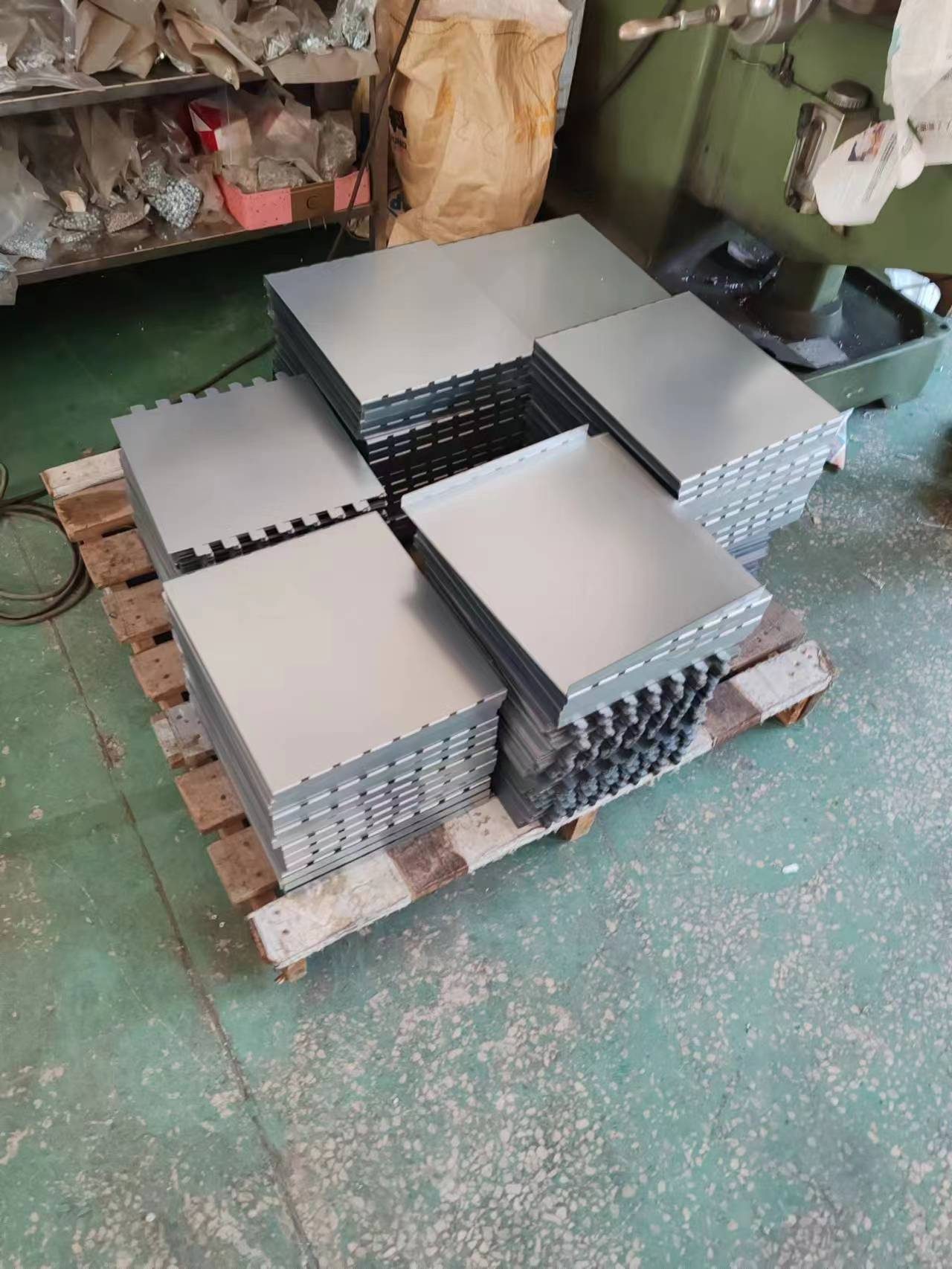
Most buyers think of 30/70 as a compromise. It is a compromise on timing, not on risk. Once the balance is paid, you hold no money and the supplier holds no obligation that costs them anything to ignore.
Worth separating two things people mix up. T/T is a telegraphic transfer — bank to bank. It describes how money moves, not when. As Skydo's export guide notes, almost every arrangement — advance, D/P, D/A, open account — ultimately gets settled by a T/T. "30/70 T/T" tells you the split. It tells you nothing about protection.
What goes wrong, in the order it goes wrong
The pattern the China lawyers see repeatedly: the shipment arrives in the US, a substantial portion of the goods are defective, the buyer demands a refund, and the manufacturer refuses — or offers a discount on the next order. Accept that discount and you are effectively locked into working with a supplier who has already failed you. You now need them to make good, which means placing more business with them, which means less leverage, not more.
The second version is quieter. Production slips. The supplier asks for the balance early to "release the goods to the forwarder". You pay because your customer's ship date is fixed. Now the negotiation is over and you have not seen a part.
Neither of these is fraud. That is the point. A supplier can be a real company with a real factory and still hand you a bad lot, and if you have already paid, your options are a lawsuit in a foreign jurisdiction over an amount that does not justify a lawsuit in a foreign jurisdiction.
Put the money behind something you can verify
The fix is not a bigger instrument. It is moving one slice of the balance behind an event you can check.
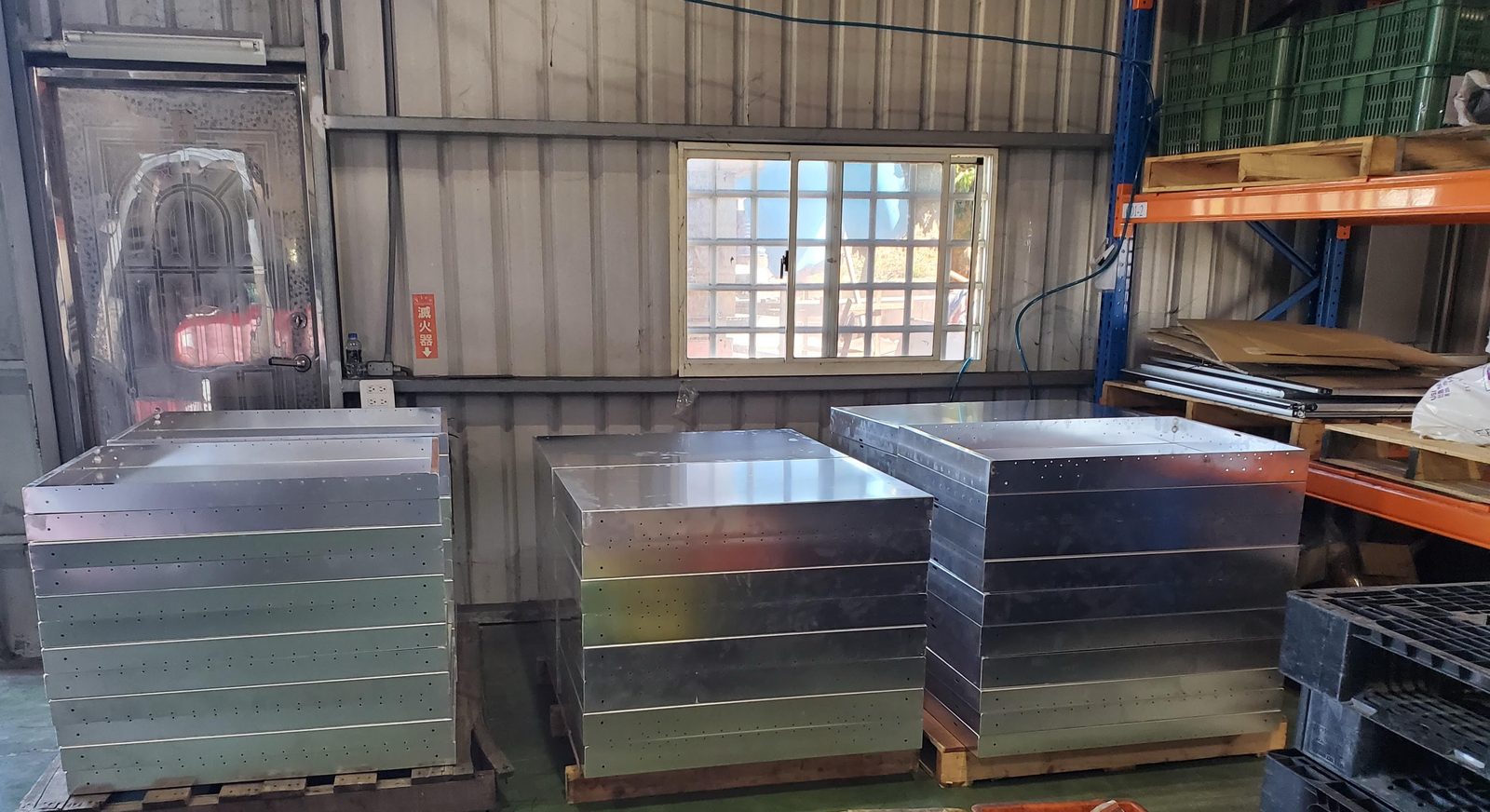
The structure worth asking for: a deposit of 30 to 50% to fund material and machine time, then the balance released as the supplier hits verifiable stages, with a first-article inspection before the final payment. The final tranche does not have to be large. It has to be large enough that the supplier would rather fix the problem than forfeit it.
The stages worth paying against are the ones a program runs through from drawing to delivery: tool, first article, production lot, pre-shipment check. That is the whole mechanism. You are not trying to hold the factory hostage. You are trying to make sure that on the day the inspection report comes back, both parties still have money in the game. In practice that check is a pre-shipment inspection before the balance.
Holding part of the balance back is not an exotic request. An Alibaba seller guide cites research putting 54% of manufacturing transactions on a deposit up front with Net60–90 terms on the balance. That is a seller-side figure, so read it as a direction rather than a benchmark: suppliers are used to carrying part of the money past the day the goods are made.
And the honest counter-point: a supplier who cheerfully agrees to no deposit at all is not being generous. From the seller's side, a partial advance of 30 to 50% covers production cost and acts as a gauge of the buyer's seriousness — a buyer unwilling to put anything down is itself a red flag. The same logic runs in reverse. A factory that needs none of your money to start work may be quoting you a price it has no intention of holding, or may not be the factory.
Escrow: right idea, awkward in Asia
Escrow does exactly what you want on paper. A neutral third party holds the funds and releases them when obligations are met or milestones are verified. The drawbacks are real: fees on top of the transaction, delays if there is a disagreement, and — the one nobody mentions until you try to set it up — it is not common in many countries, especially in Asia.
Practical translation: expect to explain what escrow is, expect the factory's finance person to be unenthusiastic, and expect the request to price itself into your unit cost. Platform-held payments on the big marketplaces are the mass-market version of the same idea, and they cap your exposure at what the platform will actually adjudicate.
Letters of credit: what they do and what they do not
An LC replaces the buyer's credit with the bank's. The buyer's bank commits to pay the seller on presentation of conforming documents, and the whole apparatus is governed by UCP 600 from the ICC and transmitted over Swift as MT 700 messages. For a large first order with a new supplier in an unfamiliar geography, that is a sensible use of the tool.
Two cautions.
First, an LC pays against documents, not against quality. The terms must be met precisely or the LC may be invalid, and banks pay only the amount specified in the LC even if higher costs were incurred and documented. Shipping Solutions' advice is worth following literally: consult your bank before the LC is applied for, and compare the LC terms line by line against the proforma invoice. A bill of lading and a clean inspection certificate are not the same document.
Second, cost and fit. Arranging an LC for a $3,000 prototype run burns fees and weeks for protection you did not need. Mike Bellamy's rough dividing line still holds: if your orders sit between $10,000 and $100,000, you are negotiating milestones and deposits, and more sophisticated mechanisms like an LC are for larger buyers. Match the instrument to the exposure.
Two small things that cost real money
Account names. If the beneficiary on the wire instruction does not match the supplier's legal entity, stop. That mismatch is one of the standard failure modes, and it is the one where the money simply does not come back. The ten-minute check on who the legal entity really is comes first; it is set out in how to tell a real factory from a trading company.
Separate the tooling from the parts. Tooling is a distinct deliverable with a distinct acceptance test — a signed-off first article — and it deserves its own milestone rather than being folded into a parts deposit. If tooling and parts share one payment schedule, you cannot withhold on one without stalling the other. What a tool should cost, and the ownership paperwork to hold once it is paid for, is in what an injection mold really costs.
What the region's own payment behavior tells you
One last piece of context, because it cuts both ways. Atradius reports that most businesses across Asia set B2B terms of up to two months, that more than 80% of suppliers report late payments, and that overdue invoices account for nearly one third of B2B receivables. Vietnamese firms offer the most lenient timelines in the region; Japanese firms the shortest, with the lowest exposure to delay.
That is a market where the person quoting you 30/70 has probably been burned by a buyer too. Terms are tight because cash is tight. Understanding that is what gets you a milestone structure instead of a lecture about how everybody pays 30/70.
So negotiate it as a cash-flow conversation, not a trust conversation. Offer a slightly larger deposit in exchange for a slice held behind first-article inspection. The supplier's material cost is covered; your leverage survives to the day it matters.
The question is not how much you pay upfront. It is whether, on the morning the inspection report lands, anyone still owes anyone anything.
Straight answers
What does 30/70 T/T actually mean, and why is it risky for the buyer?
30/70 T/T means 30% of the order value is wired when the order is placed and the remaining 70% is wired before shipment. The risk is that the buyer has paid 100% of the price before the goods have been received or inspected. If defects show up after arrival, the buyer holds no money and the supplier has no financial reason to make good — a common outcome is a refusal to refund, or an offer of a discount on the next order, which locks the buyer into the same supplier. T/T itself is just a bank-to-bank transfer method; it describes how money moves, not what protects you.
What is a fair payment structure for a first production order in Asia?
A workable structure is a deposit of 30 to 50% to cover material and machine time, then the balance released against verifiable production stages, with a first-article inspection before the final payment. The final tranche does not need to be large — it needs to be large enough that the supplier prefers to fix a problem rather than forfeit it. Roughly 54% of manufacturing transactions already combine a 25–50% deposit with net terms on the balance, so this is a normal request rather than an exotic one.
Is escrow a practical option for overseas manufacturing payments?
Escrow works in principle: a neutral third party holds the funds and releases them once agreed milestones or delivery and acceptance are verified. In practice it adds fees to the transaction, can stall if the two sides disagree, and is not common in many countries, especially in Asia. Expect to explain the mechanism to the supplier's finance team and expect the request to show up in your unit price. Marketplace platform-held payments are the mass-market version of the same idea.
When is a letter of credit worth the cost?
A letter of credit is appropriate for large first orders, new supplier relationships, unfamiliar geographies, and transactions large enough to justify the bank fees and the extra weeks. It is not appropriate for small runs — arranging an LC for a $3,000 prototype order burns fees and time for protection you did not need. As a rough guide, buyers with orders between $10,000 and $100,000 are usually better served by negotiated deposits and milestones; LCs are a tool for larger buyers.
Does a letter of credit protect me against defective goods?
No. A letter of credit pays against conforming documents, not against product quality. The bank pays when the presented documents match the terms of the LC exactly, and it pays only the amount specified in the LC even if higher costs were incurred and documented. If you want quality tied to payment, the inspection certificate has to be a required document under the LC — otherwise a clean bill of lading is enough to trigger payment on a bad shipment. Consult your bank before the LC is applied for, and compare its terms line by line against the proforma invoice.
What are the quickest red flags in a supplier's payment instructions?
Two stand out. First, a mismatch between the supplier's legal entity name and the beneficiary name on the wire instruction — if those differ, stop and resolve it before sending anything, because that is the failure mode where the money does not come back. Second, a supplier who asks for no deposit at all. A 30 to 50% advance covers the factory's material and machine cost; a supplier who needs none of it may be quoting a price it does not intend to hold, or may not be the factory.
How this note was made: researched and drafted with AI assistance, checked against the sources listed below and edited at JCH Design & Manufacturing.
Sources
- China Manufacturing Payment Terms | Limiting Risks — Harris Sliwoski
- International Payment Terms: The Long Edition — Harris Sliwoski
- Payment Terms for Overseas Manufacturing: Deposits & Escrow
- Export Payment Terms: TT, DP, DA Explained
- Introduction to letters of credit — Trade Finance Global
- Methods of Payment in International Trade: Letters of Credit
- B2B payment practices trends in Asia — Atradius
- China Sourcing: What Are Reasonable Payment Terms? — AsiaBridge Law
- 30% Deposit Payment Terms: Industry Standards, Risk Balance & Negotiation
- D/A, D/P and LC Payment Terms Explained — Augmino