

Minimum order quantity: what is really negotiable, and what isn't
A factory's minimum is its setup, material and machine-time costs written as a quantity. Know which cost drives the number and you'll know what you can negotiate, what you can't, and when the minimum is really a no.
Filed under How a program runs
A small buyer usually meets the minimum order quantity on the first quote, as one line: MOQ 3,000 pieces. It reads like a rule. It isn't. It is the factory's summary of its own costs, and once you know which cost is behind the number, you know what can move and what can't.
What a minimum order quantity really covers
A factory's minimum exists to cover costs that do not shrink when your order does. Sourcify puts it as three things: "machine setup time, the minimums its own material suppliers require, and a production run that's worth its floor space." Shopify's guide adds packing: minimums often line up with case packs, pallet layers and containers.
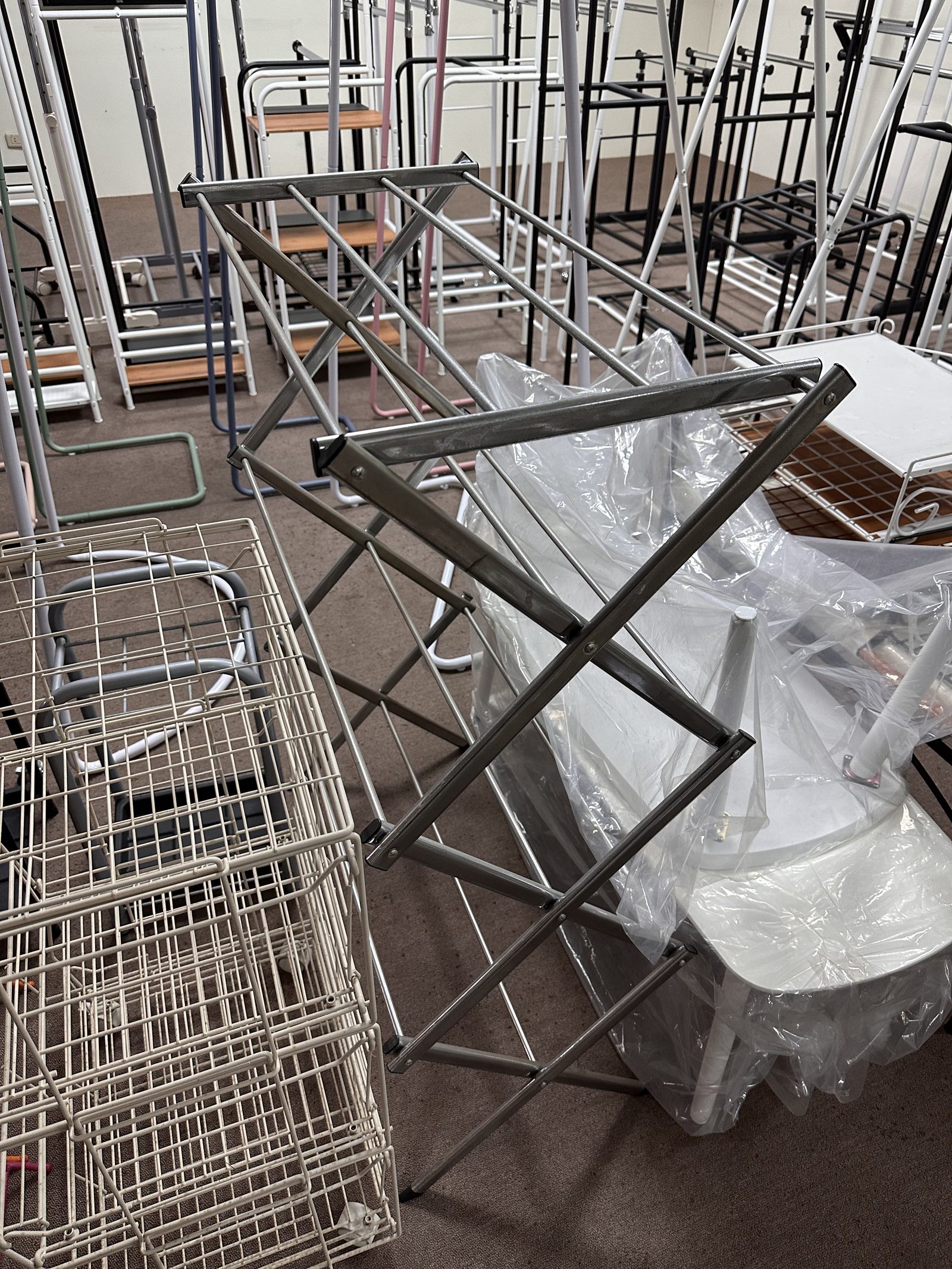
On the floor, those costs have names:
- Setup and changeover. Hanging a mold, bringing it to temperature, purging the last job's resin and running parts until they measure right. That time is the same for five hundred parts as for fifty thousand.
- The factory's own minimums. Resin, fabric, printed film and cartons are bought from someone else, who has a minimum too. A custom color of resin or a printed poly bag often has a higher minimum than the part itself.
- Machine time worth booking. A press or a sewing line is booked by the shift. A job that fills an hour and leaves the rest of the shift empty costs the factory the shift.
- Handling and paperwork. Inspection, packing, export documents and a freight booking cost roughly the same for a small lot as for a full one.
Once you ask which of these is driving the number, the conversation changes from "please lower it" to "which cost can we take out."
Which part of the MOQ is actually negotiable
Simfoni sums up the approach well: the best negotiation "addresses the supplier's underlying cost driver rather than simply asking for a lower threshold." In practice:
- Setup is negotiable in money, rarely in time. You can pay for a changeover separately, or pay a higher unit price on a small run. Sourcify cites premiums of 15 to 30 percent per unit as a common way to cover a factory's setup on a short run.
- Material minimums are negotiable by design. Use a stock resin color instead of a custom match, a standard carton instead of a printed one, one fabric instead of three. Fewer variants mean fewer setups and fewer material minimums.
- Floor-space minimums are negotiable by timing. A factory with a gap between seasonal jobs will take a smaller run it would refuse in its busy months.
- Packing minimums are negotiable by understanding them. If the MOQ is really a full carton or a full pallet, ask for the carton count. Ordering in whole cartons often gets you most of the way.
What doesn't move: a factory that is full, a material whose supplier sells only by the ton, or a process whose setup takes longer than the run.
Four ways small buyers get under a minimum honestly
Split the quantity, not the commitment. Agree to the full minimum but take delivery in releases. Shopify describes this as buying the full MOQ and receiving it "in batches over time." The factory runs once, and you don't carry a year of stock.
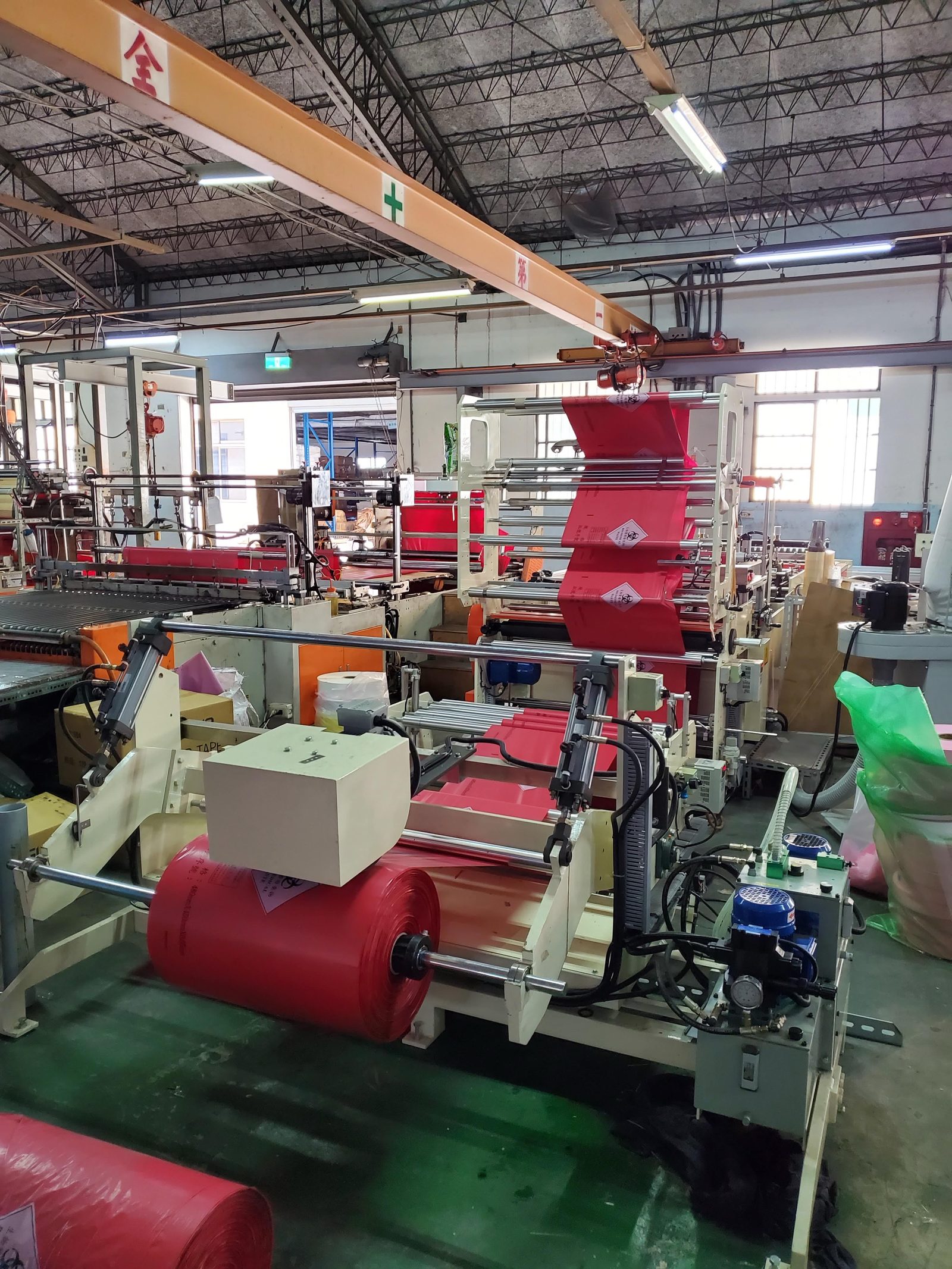
Show a forecast you can live with. A realistic six- to twelve-month forecast, per Sourcify, gives the factory a reason to accept a small first order. Only share one you would stand behind. A forecast that falls apart teaches the factory to ignore the next one.
Cut the variants before you cut the quantity. Three colors at one thousand each is three setups and three material minimums. One color at three thousand is one of each. Launch with the variant that sells, and add the rest when the first lot proves demand.
Pay for the setup openly. A separate setup or sampling charge on a small first run is honest, and it keeps the unit price clean for later orders. It also tells you something: a factory that won't quote a setup fee at all may simply not want the job.
When the MOQ is telling you something else
Sometimes the minimum is a polite no. A factory that quotes a minimum far above your stated volume may be telling you your job is too small for its presses. You can argue with that, but you'll be a low-priority customer at a plant that didn't want you.
Sometimes it is telling you something about who you're talking to. A trading company quoting another factory's minimum can't negotiate the setup, because it doesn't run the machines. If every question about the minimum gets "the factory says no," read real factory or trading company before you pay anything.
And sometimes it is telling you the product isn't ready for custom tooling. If your volume can't carry the minimum, it probably can't carry the mold either. What an injection mold really costs walks through that arithmetic. Below a certain volume, an off-the-shelf part, a modified stock item or a short prototype run is the better answer, even if it isn't what you hoped to hear.
The cost of saying yes to a minimum you don't need
Meeting a minimum isn't free just because the unit price looks good. Finale Inventory lists what excess stock brings: cash tied up, "increased carrying costs" and "greater risk of obsolescence." The minimum is set by the supplier. The quantity that makes sense for you is a separate number, worked from your sales rate, your cash and your storage.
Put both numbers side by side before you sign. If the gap is small, meet the minimum and move on. If it's large, use the tactics above, or pay a higher unit price for a quantity you can sell. Deposits count too: a large minimum usually means a larger deposit, and payment terms decide how much of that cash is at risk before the goods are made.
What to send a factory when you ask about MOQ
Ask for the minimum broken into its parts, not as one number. A useful request looks like this:
- the minimum per part number, per color and per material;
- which of those minimums come from the factory's material suppliers;
- whether there is a setup or changeover charge that would lower the minimum if you paid it;
- the carton quantity and cartons per pallet;
- whether the minimum can be delivered in releases, and how long they will hold material or finished goods.
A factory that answers those questions plainly is one you can plan with. One that answers only "MOQ is MOQ" has told you how the rest of the job will go.
The minimum is the factory's cost, written as a quantity. Find the cost, and you'll know whether the number can move.
Straight answers
Why do factories set a minimum order quantity?
A minimum order quantity covers costs that do not shrink with the order: machine setup and changeover, the minimums the factory's own material suppliers impose, machine time worth booking, and fixed handling such as inspection, packing and export paperwork.
Can a small buyer negotiate a lower MOQ?
Often, if the request targets the cost behind the minimum. Paying a setup fee or a higher unit price, using a stock color or material, cutting variants, ordering in whole cartons, or timing the order for a slow season can all lower the quantity a factory will accept.
What is the difference between MOQ and the quantity I should order?
The MOQ is set by the supplier from its production costs. The quantity that makes sense for the buyer is worked from sales rate, cash and storage. When the supplier's minimum is far above the buyer's number, the extra stock ties up cash and adds carrying cost and obsolescence risk.
Can I meet a factory's minimum but take delivery in smaller lots?
Many factories will agree to the full minimum delivered in scheduled releases. The factory runs once, and the buyer receives and pays for stock over time. Agree in writing how long the factory will hold material or finished goods.
What should I ask a factory about its MOQ?
Ask for the minimum per part, color and material; which minimums come from the factory's material suppliers; whether a setup charge would lower it; the carton and pallet quantities; and whether the minimum can ship in releases.
How this note was made: researched and drafted with AI assistance, checked against the sources listed below and edited at JCH Design & Manufacturing.