

Consumer products & retail
Consumer products, shelf-ready.
JCH Design & Manufacturing makes consumer products for US brands and private-label sellers, and the retail packaging they sell in: molded housewares and home and garden goods, blister and clamshell packs, printed boxes, master cartons and point of purchase displays, in one program.
Jack has run programs in housewares, garden, sporting goods, pet products and private label, taken into production through packaging, barcode and carton compliance. For a retail product, the pack and the display are part of the product, so they are specified, sampled and checked with it.

What retail programs run into
The product is only half the order.
A retail buyer receives a pallet, not a part. Most problems at the dock are in the pack and the carton, not the product.
The pack does not fit the peg or the shelf
A retail card has to fit a standard hook, show what is inside and carry the barcode and the copy a buyer needs. Those are decided on the dieline, before anything is printed.
The carton fails compliance
Count per carton, carton marks, dimensions and weight are set before the first lot is packed, so the carton matches the order and the freight quote holds.
The margin is gone at landing
A private-label program starts from a category and a margin target. The landed cost, including freight and duty, is modeled before the tool is cut, not after the container arrives.
The product
Tooled, molded and assembled.
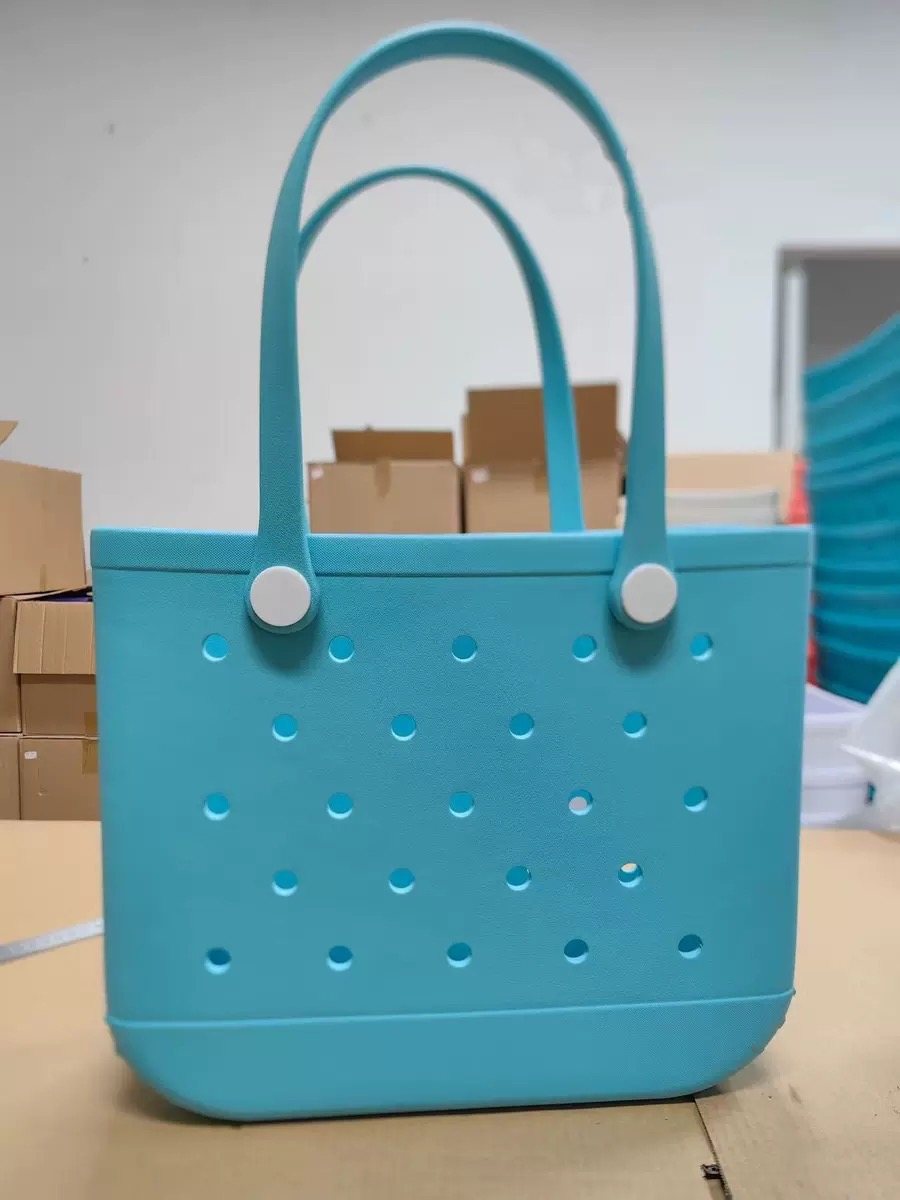
Housewares, garden and home goods are usually molded plastic, finished metal or both. Jack engineers the tool, or reverse-engineers it from a sample, and the parts run at qualified partner factories. Assembly after that is Jack's own people, or a third-party line he qualifies.


The pack and the display
Blister, box, carton, display.
Retail packaging runs in the same program as the product. The figures below are from Jack's own answers and are approximate; the quote sets them.
- Blister and clamshellPVC or PET, RPET as the recycled option, formed in Jack's own factory
- Blister moldAbout a couple of hundred dollars to about $1,000, by size
- Blister minimumAround 1,000; samples in about three days on a rush
- Printed boxesDieline, white sample, printed sample, then the run
- POP displaysCorrugated floor, counter and hook displays, from about 200
- Retail detailsHang hole, barcode, tamper-evident options, country of origin


How a retail program runs
Category to carton.
- Send the product or the ideaA sample, a competitor's product, or a category and a target price. Jack reads it himself.
- Margin and landed costThe piece price, the pack, freight and duty are modeled against your margin before a tool is cut.
- Samples you signThe product, the printed pack and the display are sampled and signed before the run.
- Checked pack-out, US landingPacks, barcodes and cartons are checked at the factory, and goods can be held in the US and shipped into fulfillment on your schedule.
Questions
What buyers ask first.
Do you work with private-label and Amazon sellers?
Yes. A private-label program can start from a category and a margin target instead of a drawing, and runs through artwork, packaging, barcode and carton compliance and an FBA-ready landed cost.
What is the minimum order for a blister pack?
Around 1,000 as a normal minimum, with the blister mold from a couple of hundred dollars to about $1,000 depending on size. These are estimates, not a guarantee; the quote sets them.
What is the minimum for a display?
About 200 displays to start. Displays ship flat and are assembled by the customer. The minimum is an estimate, not a guarantee.
Can the product, pack and display come from one program?
Yes. The product, the retail box or blister, the master carton and the display are specified, sampled and checked in the same program.
Can you hold inventory in the US?
Yes. Goods can land in commercially leased US warehousing, be broken down and re-palletized, and ship into fulfillment on your schedule.
Related
Have a product headed for a shelf?
Send the product, the pack you have now, or a photo and a target price. Jack reads it himself and tells you plainly what the tool, the pack and the minimum involve.
Ask for time with Jack