

IP, NDAs & tooling
Your design, your steel: NDAs, tool ownership and transfer.
On a JCH program the NDA comes before the drawings, the mold quote states who owns the tool, and the tool carries a nameplate and a custody record. This page puts those terms in one place. Your own contract is what makes them binding, so ask any supplier for the same, this one included.
You pay for a mold, and then it lives in someone else's building, often for years. The usual trap is paying for a tool, then finding out the factory or an agent is holding it and you cannot leave. Jack designs, maintains, stores and moves the tools he is entrusted with, so the steel is ready for the next run, or ready to leave if you want it moved.
Before the drawings
NDA first, then the files.
We'll sign your NDA, or use ours, before you share details. Ask for it before you send files, not after. If you are not sure what to send yet, a general description is enough for a first call, and the details can follow once the NDA is signed.
A factory cannot quote a part without seeing the drawing, so if confidentiality matters, put the NDA in place first and ask which factories will be quoting. For sensitive drawings, ask first and we will agree how to exchange them. Lab report summaries on programs Jack managed are shared with qualified buyers under NDA.
A US NDA overseas
A US-style NDA is written for US courts, and enforcing it against a factory overseas is slow and expensive. Lawyers who work on Asia manufacturing commonly recommend an NNN agreement (non-disclosure, non-use, non-circumvention) in the local language, enforceable in the factory's own courts.
Trademarks and patents
Rights are territorial: a US registration does not protect you in Taiwan or China, and both register trademarks on a first-to-file basis. Talk to an IP attorney before you share brand artwork with a factory.
Who sees your files
Your files are used to answer you and, if you engage JCH, to run your program. Whether you need an NNN, and under which law, is a question for your own attorney.
Who owns the tool
Ownership, in writing, before you pay for steel.
You should own the tool, and it should be in writing before steel is cut. On a JCH program the mold quote states who owns the tool. A mold quote you can compare also states the cavity count, the tool steel and its expected life, and how many sample rounds are included; the mold quote note explains why.
- Written ownershipThe ownership term is in the quote and the contract, not in a phone call.
- A nameplateThe tool is physically labeled, so the steel on the shelf can be matched to the paper.
- Your drawingsDrawings and CAD are kept on your side, and who owns the design belongs in the written agreement.
- Custody recordWhere the tool is, how many shots it has run and when it was last maintained.
- Payment behind T1Keep the final tooling payment behind an approved first trial, not behind the shipment of samples.
- Permission to leaveSettle in the contract who has to agree to your tool leaving, in the same document as ownership.
Custody
Where the steel lives between runs.
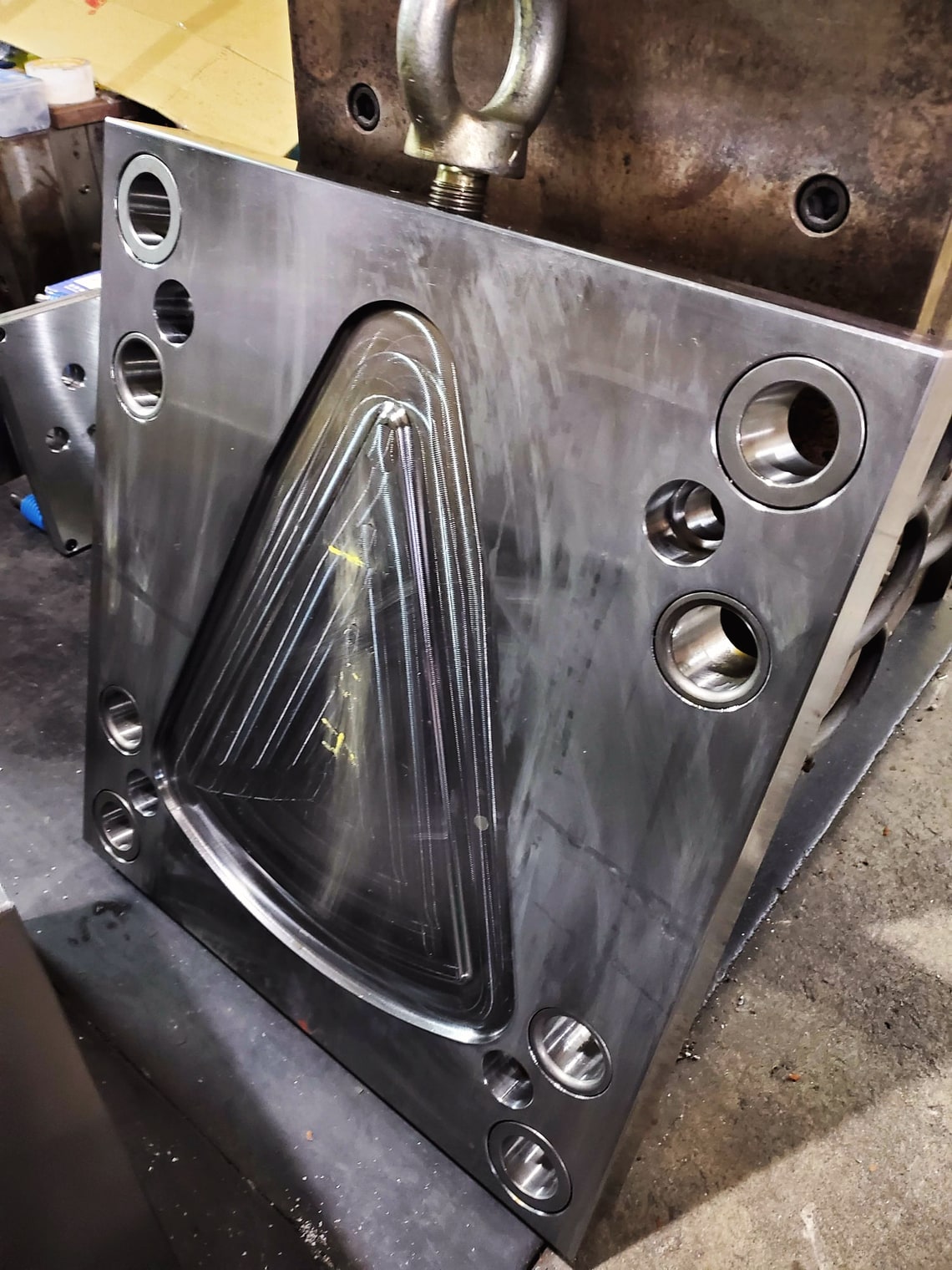
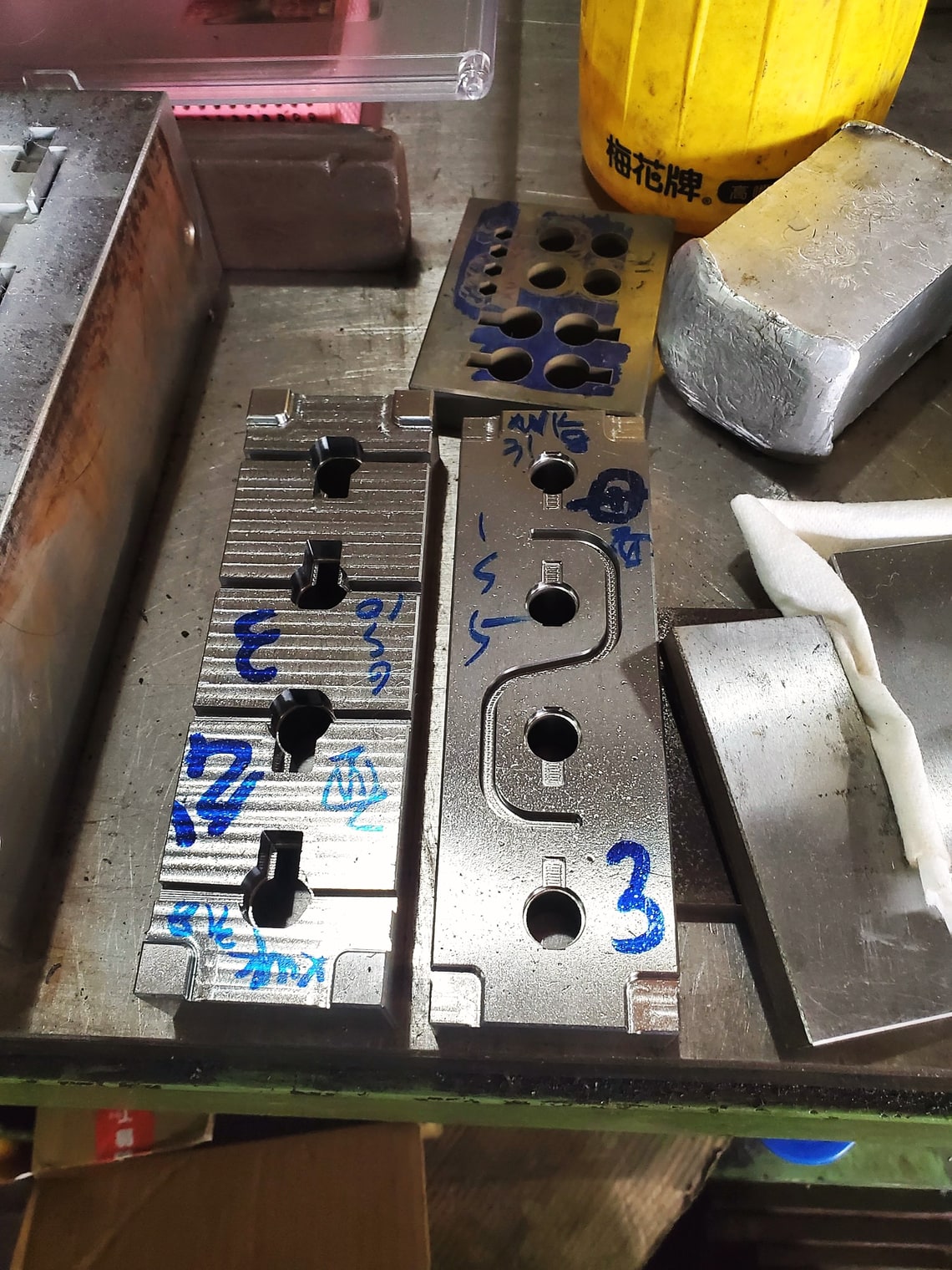
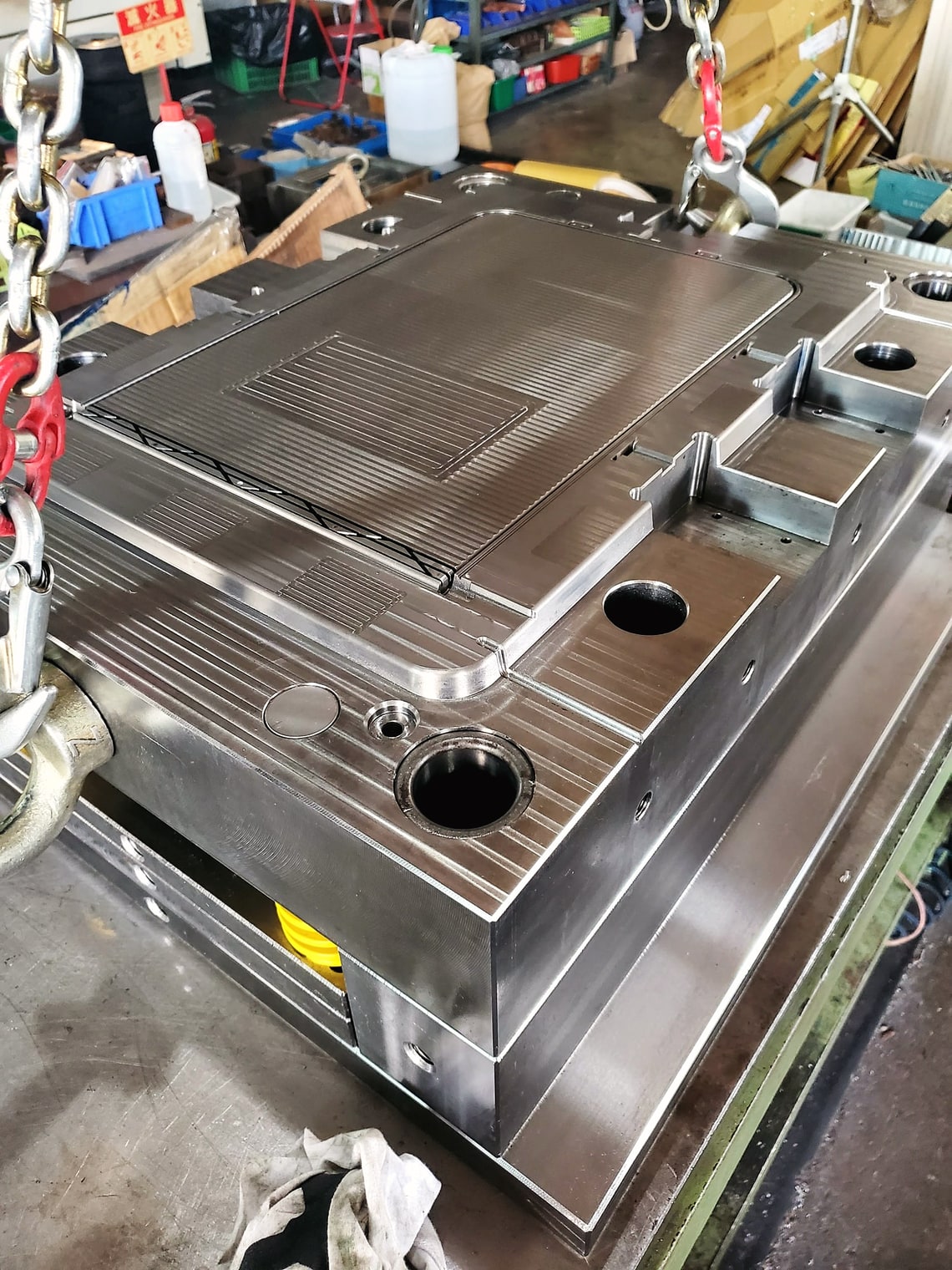
A tool is not finished when the first part is approved. Jack keeps custody of the tools he is entrusted with: safekeeping between runs, maintenance when the steel drifts, and a move when the program needs a different press or a different factory. He knows where the steel is and what condition it is in.
Decide the volume, then buy the steel that volume needs, and keep the tool where somebody who answers to you can see it. Typical ranges and custody terms are in what an injection mold really costs.
Mold transfer
Moving a mold away from a factory.
The physical work is routine. What traps people is permission rather than logistics. On Jack's programs the physical move from China to Taiwan has taken about 7 days, about 3 of them in transit, before the tool is checked and re-sampled at the new factory. Send the tool drawing and the last inspection report you have, and you will get a straight answer on whether it is worth moving.
- AuditA tool audit and condition report before anything is crated.
- Crate and shipThe tool is crated, shipped and received at the new factory.
- Re-qualifyWorn steel is repaired where needed and the tool is re-qualified.
- Re-sampleNew samples and a measured first article before production restarts.
One customs point: a mold you own and supply to the factory free of charge counts toward the customs value of the parts it makes (an assist). A licensed customs broker sets the entry; the tariff math note walks through it.
Sample custody
The golden sample is a contract you can hold.
A golden sample is an approved production sample, signed off by the buyer and kept by both sides as the physical standard that later lots are compared against for color, fit, finish and function. Keep your copy, and do not let the factory quietly replace theirs after approval.
A signed sample proves one unit was made well, not that the line can hold it. Line watch checks the lot against the sample you signed, before the container. When a program moves, the golden sample moves with the drawings, the bill of materials, the resin spec and the inspection plan. The longer read is the golden sample was perfect; lot three was not.
An honest limit
What this page is, and is not.
This page describes how JCH runs its own programs. It is general information, not legal advice, and the terms only bind anyone once they are in a signed contract. For trademarks, patents and NNN agreements, talk to your own IP attorney before you share drawings or brand artwork with any factory.
Questions
What buyers ask first.
Will you sign my NDA before I send drawings?
Yes. JCH will sign your NDA, or use ours, before you share details. Ask for it before you send files, not after.
Is a US NDA enough to protect my design with a factory in Asia?
Often not on its own. A US-style NDA is written for US courts, and enforcing it against a factory overseas is slow and expensive. Lawyers who work on Asia manufacturing commonly recommend an NNN agreement (non-disclosure, non-use, non-circumvention) written in the local language and enforceable in the factory's own courts. Whether you need one is a question for your own attorney.
Who owns the tooling when a factory in Asia builds my mold?
You should, and it should be in writing before you pay for steel. On a JCH program the mold quote states who owns the tool, and you get written ownership, a nameplate on the tool, your drawings kept on your side, and a custody record: where the tool is, how many shots it has run and when it was last maintained.
Can I move my mold away from a factory I already use?
Yes. Tools are audited, crated, shipped, re-qualified and re-sampled before production restarts. On Jack's programs the physical move from China to Taiwan has taken about 7 days, about 3 of them in transit. Settle in your contract who has to agree to your tool leaving.
Who owns the CAD files and drawings?
Keep your drawings and CAD on your side. Ownership of the design and the tool belongs in the written agreement, settled on day one with whoever does the work.
Who sees the drawings I send?
Your files are used to answer you and, if you engage JCH, to run your program. A factory cannot quote a part without seeing the drawing, so put the NDA in place first and ask which factories will be quoting.
Should I register my trademark in Taiwan or China first?
Talk to an IP attorney before you share brand artwork with a factory. Trademark and patent rights are territorial: a US registration does not protect you in Taiwan or China, and both register trademarks on a first-to-file basis.
Who keeps the golden sample?
Both sides. It is the approved physical standard later lots are compared against, so keep your copy and do not let the factory quietly replace theirs after approval. Line watch checks the lot against the sample you signed.
Related
Have a tool you want to move, or a design to protect?
Ask for the NDA first. Then send the tool drawing, the part, or the last inspection report you have.
Ask for time with Jack