

What an injection mold really costs: typical ranges, lead times and custody
Published 2026 ranges for prototype aluminum, P20 and hardened H13 tools, single, multi-cavity and family molds, hot runner against cold, US against China — and why we will not print a Taiwan number we cannot back.
Filed under Molds and tooling
The companion note, how to compare injection mold quotes, is about reading quotes: why five toolmakers looking at one STEP file can land three times apart. This one is the reference card that should sit next to it. What a mold typically costs by class, what moves it up or down inside the range, how long it takes, and what you should hold in writing once you have paid for it.
A warning before the numbers. Every figure below is a published range from a named source, and the sources do not share a method. A US toolroom's price list and a China sourcing platform's quote data are not the same measurement of the same tool. Use them to check whether a quote is in the right world, not to predict it. To see which row your part falls in, try the injection mold cost estimator.
Typical injection mold cost by class
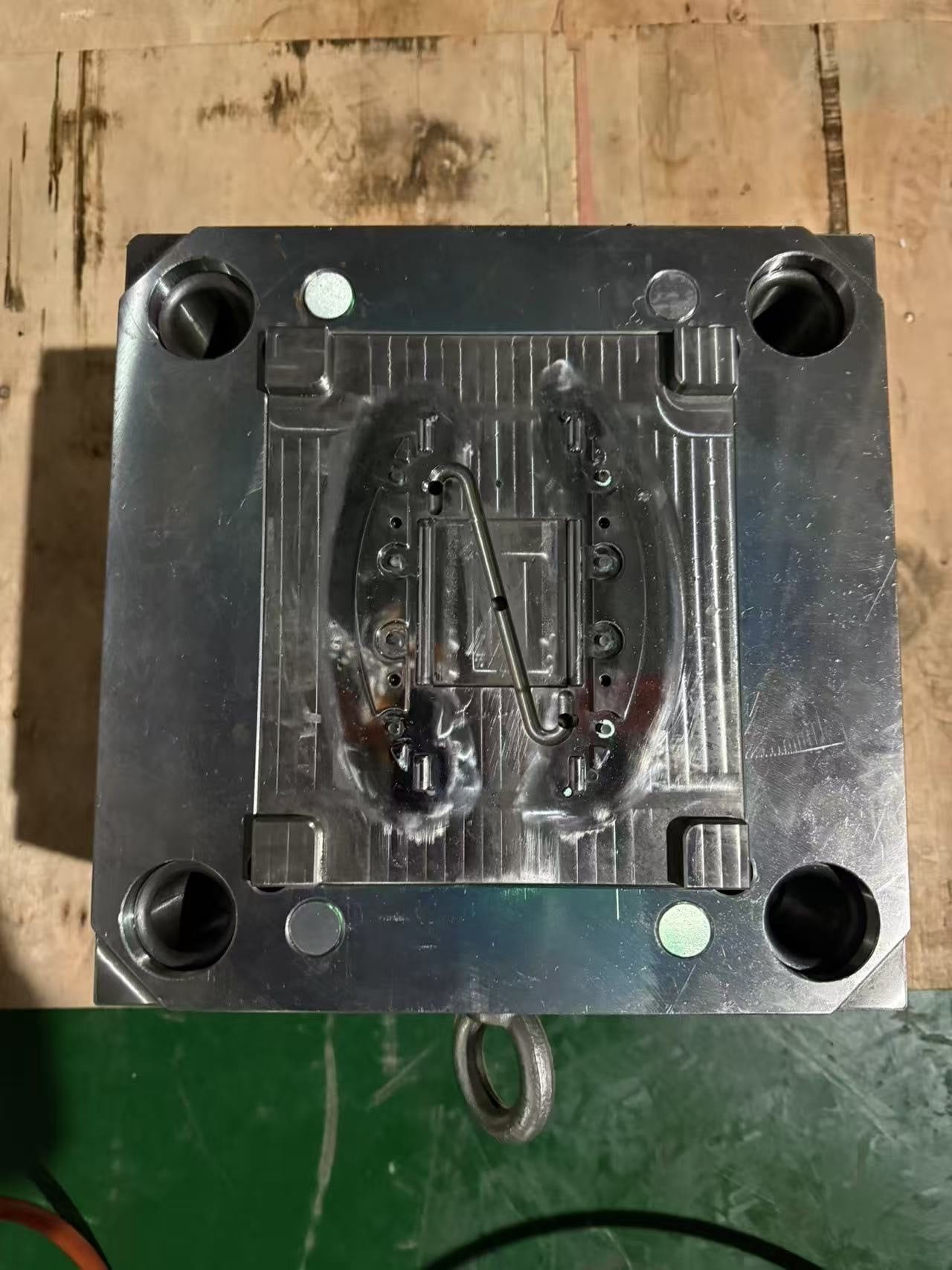
The SPI classes are the common language here. They are defined by expected life: Class 101 is built for a million cycles or more, 102 for under a million, 103 for under 500,000, 104 for under 100,000, and 105 is a prototype tool for 500 cycles or less (SPI class summary, Plastikon). In practice an aluminum tool is often run well past the class 105 figure; Haizol's China data gives 1,000–10,000 shots for aluminum tooling (Haizol).
| Mold type | Steel | Typical US price | Typical China price | Typical build time |
|---|---|---|---|---|
| Prototype or bridge, 1 cavity | 7075 aluminum | $1,500–$8,000 | $1,000–$3,000 | 2–3 weeks (US); 7–14 days (China) |
| Low-volume production (SPI 104), 1–2 cavities | P20 pre-hardened | $8,000–$25,000 | $5,000–$15,000+ | 4–6 weeks (US) |
| Mid-volume production (SPI 103), 2–8 cavities | P20 or H13 | $25,000–$60,000 | — | 6–8 weeks (US) |
| High-volume production (SPI 101), 4–32+ cavities | H13 or S136, 48–52 HRC | $60,000–$150,000+ | $20,000–$80,000+ | 10–14 weeks (US) |
| Family mold, hardened | H13 or S136 | $80,000–$200,000+ | — | 10–14 weeks (US) |
US figures and US lead times are from Jaycon's 2026 pricing report (Jaycon). China figures are from Haizol's quote data: $1,000–$3,000 for a simple single-cavity prototype mold, $5,000–$15,000+ for mid-volume production and $20,000–$80,000+ for high-volume or complex tools (Haizol). Haizol's China rows are grouped by volume, not by SPI class, so line them up loosely. The same data puts Chinese factory-gate tool prices typically 30–60% below equivalent European and North American suppliers for the same specification.
Why there is no Taiwan column
We looked for a published survey of Taiwan tool prices that we could stand behind and did not find one. We are not going to invent a range. Taiwan has a large, dense tool trade — MIRDC counts about 3,200 mold firms on the island (MIRDC via the Taiwan Forging Association) — and prices vary with the shop as much as with the island.
What we can say is where Taiwan earns its place in the decision. The tool usually stays in Asia, so it rarely touches US duty itself; the parts do, and parts molded in Taiwan are generally Taiwan-origin, outside the China Section 301 lists. On some programs that difference in the duty on every shipment is larger than the difference in the tool price. The arithmetic is in Taiwan vs. China tariffs for US importers. When Jack quotes a Taiwan tool, he quotes it against your drawing, and puts a China option beside it when that is the honest comparison.
What moves the number inside the range
Most of the spread inside each row comes from five decisions, roughly in this order:
- Shot life, which sets the steel. Aluminum and P20 for low and mid volume; hardened H13 or S136 when you need hundreds of thousands of cycles or you are running glass-filled resin that eats soft steel.
- Cavity count. Each added cavity costs less than the one before, but every cavity has to hold the same tolerance or you have bought several slightly different parts.
- Runner system. Hot runners cost more to build and less to run. Figures below.
- Mechanisms. Every slide, lifter, unscrewing core or collapsing core is priced on its own. The earlier note lists the typical adders.
- Finish and tolerance. High polish, texture and tight tolerances cost bench hours. Put them only on the faces and features that need them.
Part size matters too, because it sets the mold base and the press. A large part in a small class of tool is still a large tool.
Single cavity, multi-cavity, or a family mold
A family mold puts different parts — say, the two halves of a housing — into one tool. When the parts are similar in size and share a resin, cycle time and draft, Nimble puts the saving at 30–50% of total tooling investment against separate molds; mix incompatible materials or very different wall thicknesses and the process problems eat the saving (Nimble). Family molds also tie the parts' production together: you cannot run more of one without running the other.
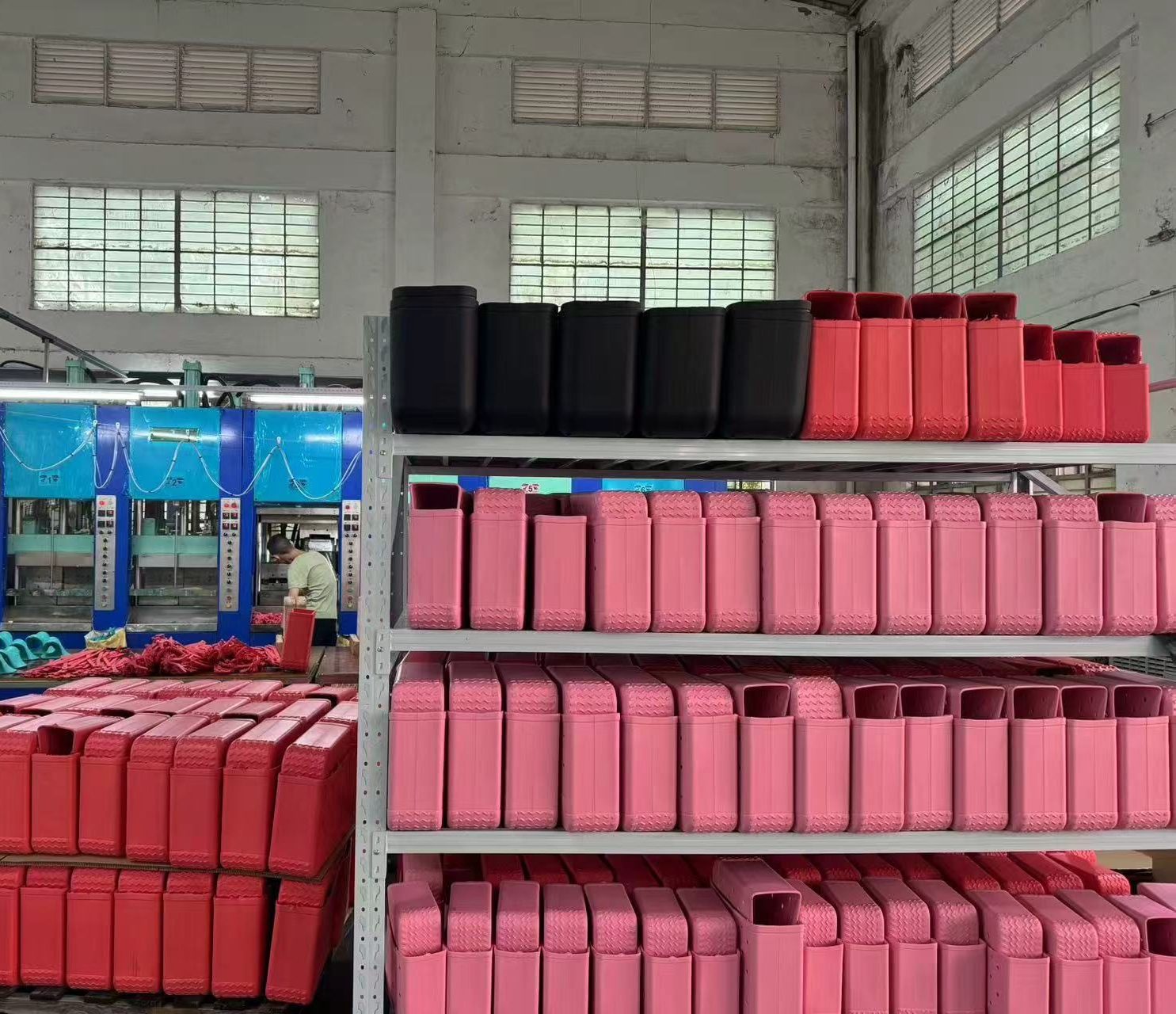
Multi-cavity tools are a volume decision. Decide the annual quantity first; the cavity count follows from how many parts the press has to deliver per hour.
Hot runner or cold runner
A hot runner keeps the plastic molten all the way to the part, so there is no runner to trim or regrind. JBR Plastics puts the premium at $3,000–$8,000 over the equivalent cold-runner tool for a single cavity and $8,000–$13,500 for eight cavities, with each drop adding $400–$800 for the heated nozzle and wiring. Their rule of thumb: above about 100,000 shots a year, a hot runner pays back its premium in 12–18 months; below 50,000 shots a year, a cold runner is usually the right call (JBR Plastics).
How long it takes, honestly
Build time is not approval time. A simple China tool can be cut in 18–25 days and a medium one in 30–40, but time to an approved tool typically stretches to 45–55 days once sample shipping and corrections are counted (Woosourcing). T1 is the first trial shot; T2, and occasionally T3, follow after written modifications. Samples are measured against the drawing, not approved by eye.
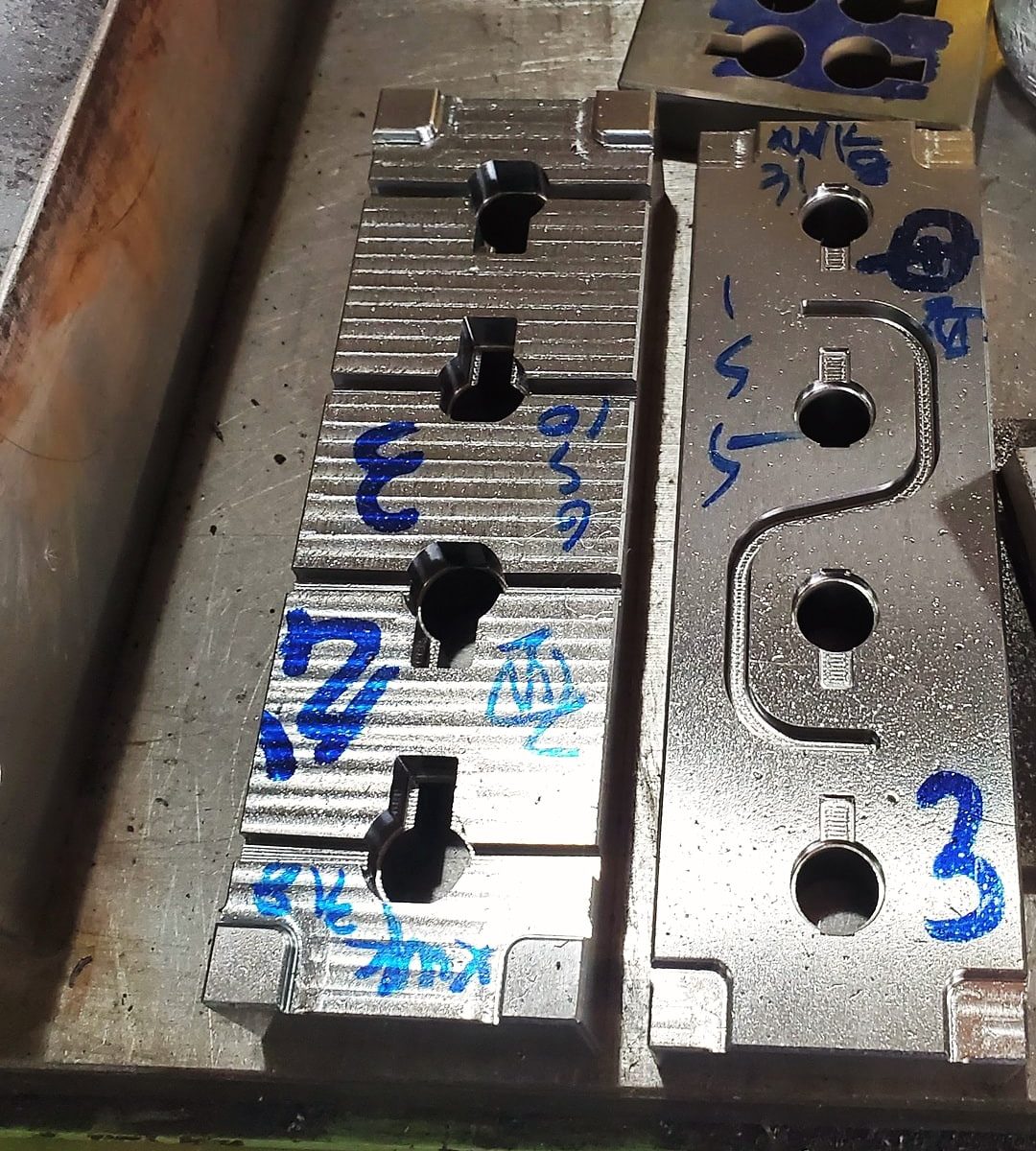
If your launch date is fixed, plan the schedule backwards from the approved first article, not from "steel cut".
Who owns the tool, and who keeps it
You pay for the mold, but it lives in someone else's building, often for years. Woosourcing's advice is the right minimum: ownership written into the contract, the tool physically labeled, the CAD and drawings kept on your side, and the final tooling payment held until the golden samples are approved (Woosourcing).
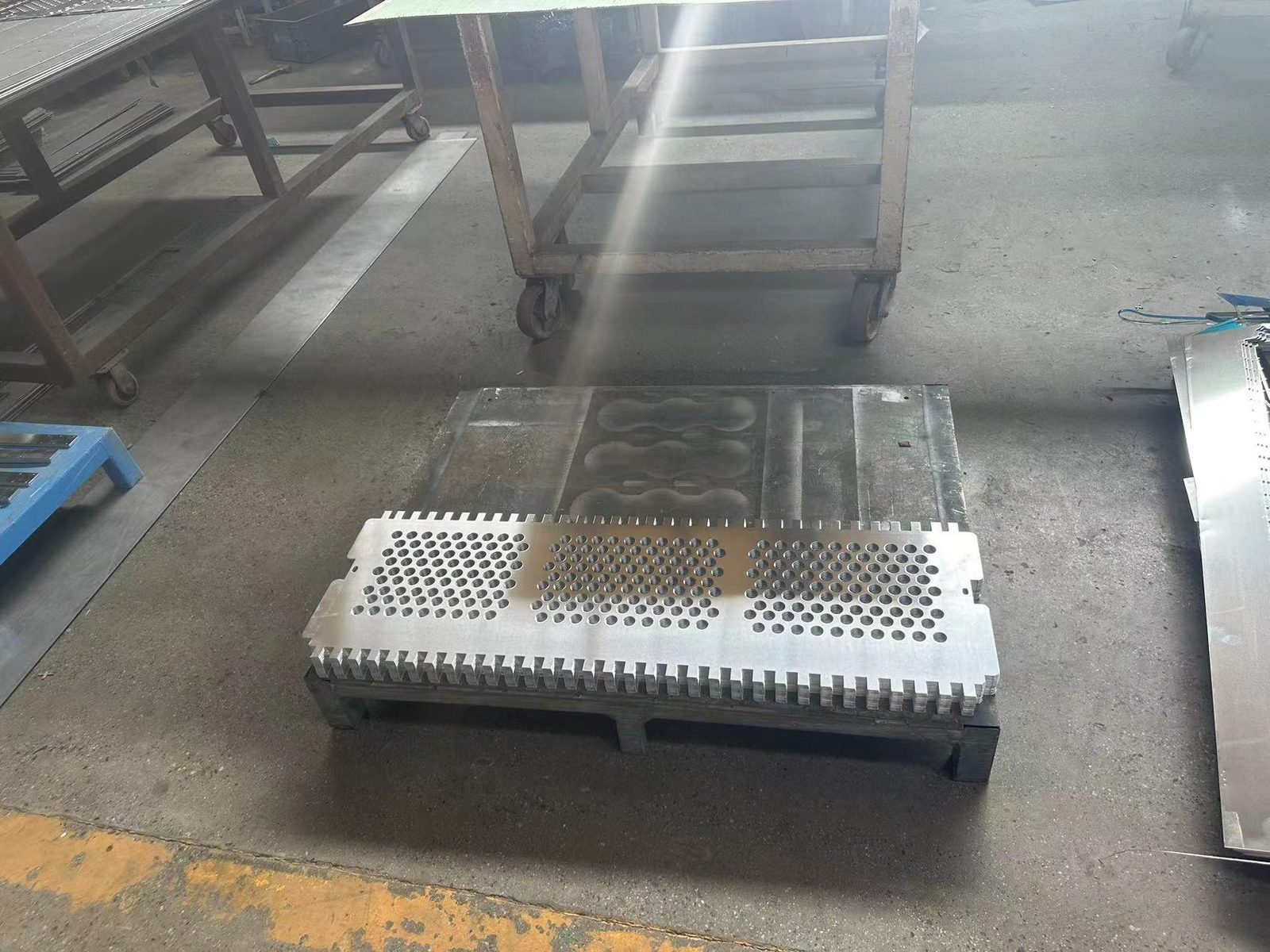
Custody is the part buyers forget. A useful custody record answers five questions: where the tool is, whose nameplate is on it, how many shots it has run, when it was last maintained, and what it takes to move it. If nobody can answer those, you own a tool on paper only. Jack keeps that record for the molds Jack designed and still maintains.
How Jack runs a tool
This is the work Jack has done for roughly fifteen years between the US and Taiwan, and it is the part of a program he does not hand off. He starts with your volume and resin, because those decide the steel and the cavity count before anyone draws a runner. He specifies the tool with the toolmaker in Mandarin, so the drawing is not translated twice. He runs the tool and proves it — first article measured against the drawing — before the first production shot. And afterwards he keeps custody: he knows where the steel is and what condition it is in. Photographs of tools from his programs are on Jack's molds and tooling page. The service itself is injection mold making and molding in Taiwan.
It matters most on electronics, where Jack spends much of his time. An enclosure tool has to fit a circuit board that may still be changing: bosses, standoffs, snap fits, connector openings and light pipes all move when the PCBA moves. The tool and the board are designed together, or one of them gets cut twice.
A mold is priced by the life you ask of it. Decide the volume, then buy the steel that volume needs, and keep the tool where somebody who answers to you can see it.
Straight answers
How much does an injection mold cost?
Published 2026 US figures run from about $1,500–$8,000 for a single-cavity aluminum prototype tool, $8,000–$25,000 for a P20 low-volume production tool, $25,000–$60,000 for a mid-volume tool, and $60,000–$150,000 or more for a hardened high-volume multi-cavity tool. China quote data runs lower: about $1,000–$3,000 for a simple prototype mold, $5,000–$15,000+ for mid-volume production and $20,000–$80,000+ for high-volume or complex tools.
Should my mold be aluminum, P20 or H13 steel?
It depends on the total number of parts and the resin. Aluminum suits prototypes and bridge runs, often into the low thousands of shots. P20 pre-hardened steel covers low- and mid-volume production. Hardened H13 or S136 is for high volumes, typically hundreds of thousands to a million or more cycles, and for abrasive glass-filled resins. Buy the steel your lifetime volume needs, not the hardest one on offer.
How long does it take to make an injection mold?
A US aluminum prototype tool takes about 2–3 weeks, a P20 production tool 4–6 weeks, and a hardened multi-cavity tool 10–14 weeks. In China a simple tool can be cut in 18–25 days, but time to an approved tool typically reaches 45–55 days once sample shipping and corrections after T1 are counted. Plan from the approved first article, not from the day steel is cut.
Is a hot runner worth the extra cost?
It depends on volume. One molder's figures put the premium at $3,000–$8,000 for a single-cavity tool and $8,000–$13,500 for eight cavities, with each drop adding $400–$800. Above roughly 100,000 shots a year a hot runner usually pays back in 12–18 months through saved material and cycle time; below about 50,000 shots a year a cold runner is usually the better choice.
Does a family mold save money?
When the parts are similar in size and share a resin, cycle time and draft, a family mold can reduce total tooling investment by roughly 30–50% against separate molds. Mixing incompatible resins or very different wall thicknesses creates process problems that eat the saving, and a family mold ties the parts' production together.
How this note was made: researched and drafted with AI assistance, checked against the sources listed below and edited at JCH Design & Manufacturing.
Sources
- 2026 Injection Molding Pricing Report: US Costs, Reshoring & Tooling Data — Jaycon
- Injection Molding Tooling Cost From China: Real Factory Price Data — Haizol
- Low-Volume Injection Molding — Haizol
- SPI Class Summary — Plastikon Industries
- Hot Runner vs Cold Runner — JBR Plastics
- How to Reduce Injection Molding Tooling Costs — Nimble
- Injection Mold Tooling Costs in China: 2026 Buyer's Guide — Woosourcing
- Global mold industry review, trends and outlook (MIRDC, 2025)