

Jack’s tools
Real tools Jack designed and still owns the life of.
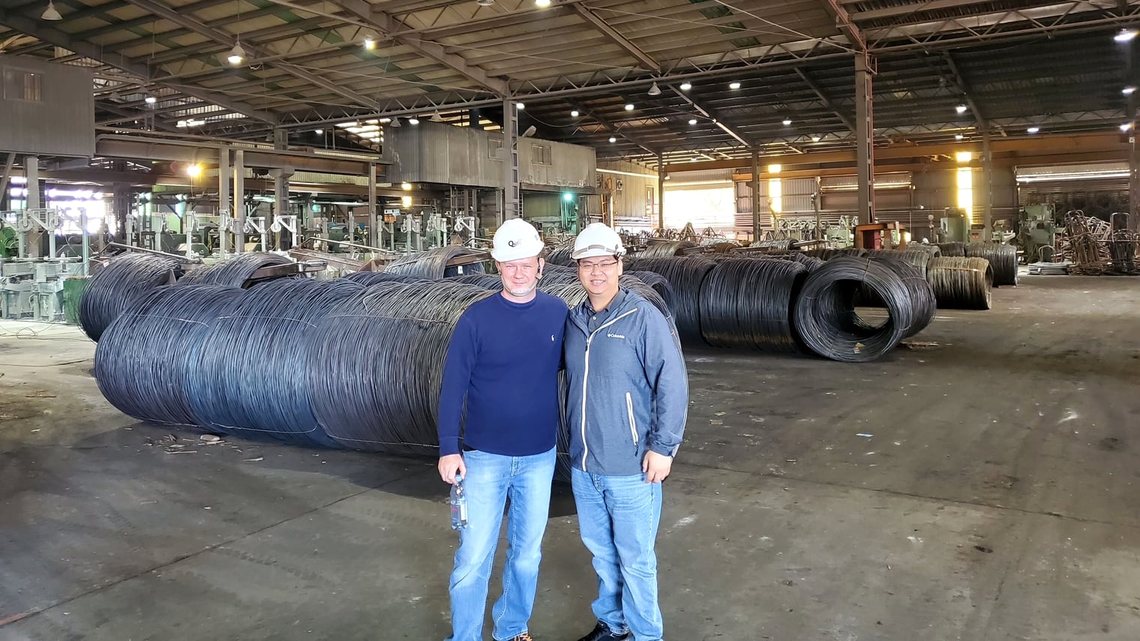
These are not a partner-network photo dump. They are Jack’s tools — designed under his eye, cut and proved under his supervision, stored and maintained for the next run, then put into production. Injection molding at qualified third-party factories; assembly and production with Jack’s own people, or a third-party line he qualifies. The steel is often cut in Taiwan. Why Taiwan-origin tools are not China-origin goods ›
The steel has a life before and after the first shot.

How a tool lives with Jack
Design. Cut. Store. Maintain. Then make the product.
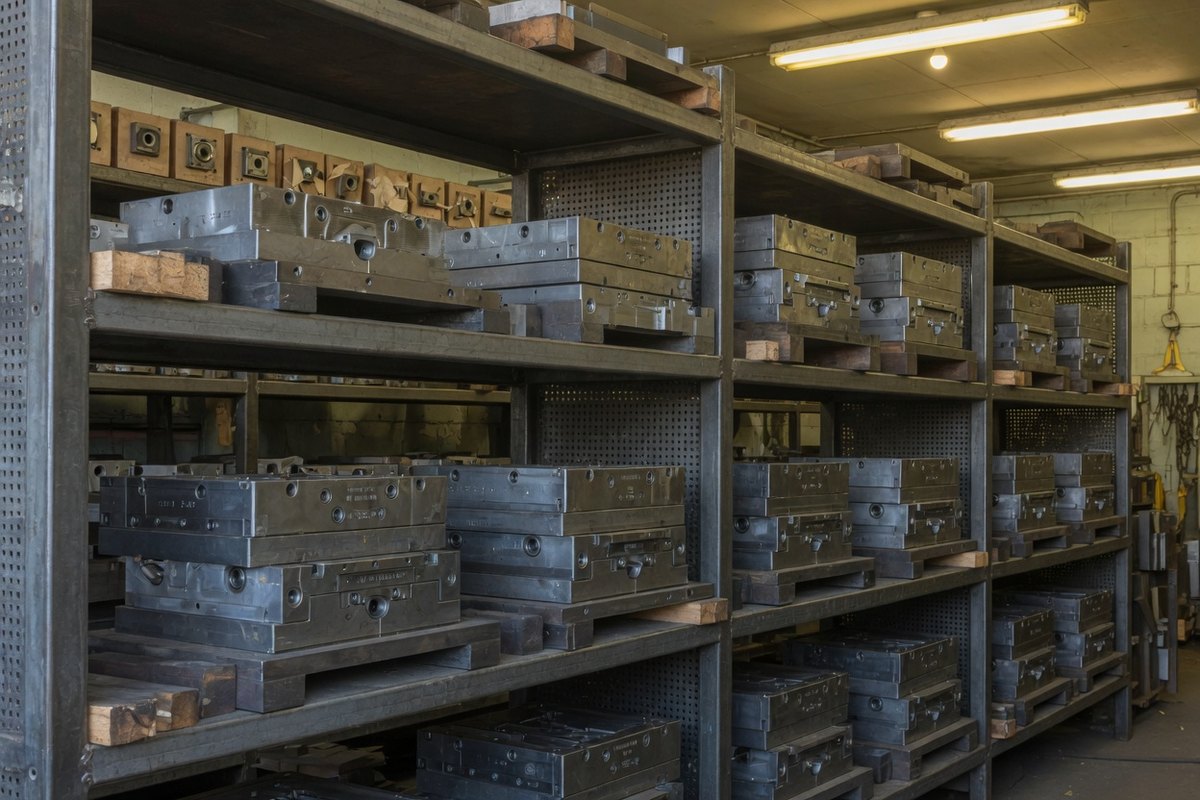
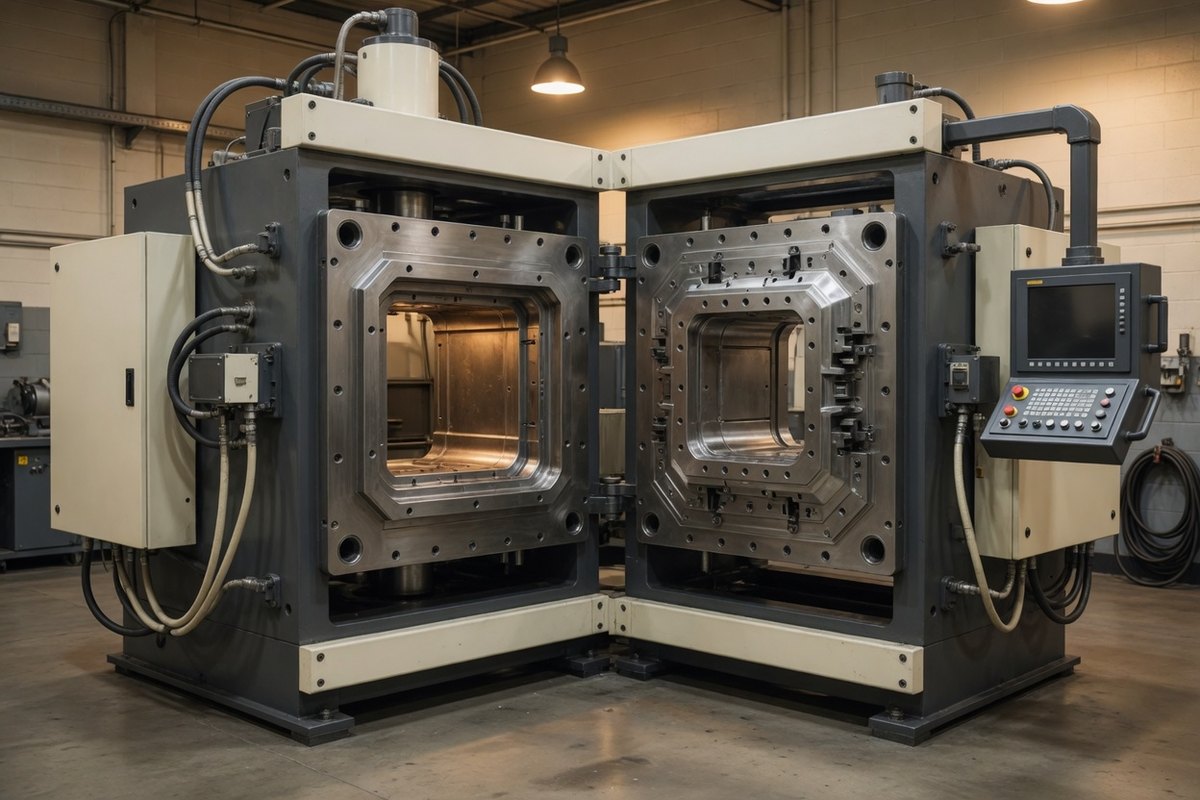
The factory that injects is not the whole story. The steel has a life before and after the first shot. The first two frames below are Jack’s photographs; store, mold and the crate are editorial. The gallery after them is Jack’s.
1. Design the tool
Reverse engineering from sample, CAD, cavity count, steel and finish — Jack engineers the tool before anyone cuts metal.
2. Supervise the cut
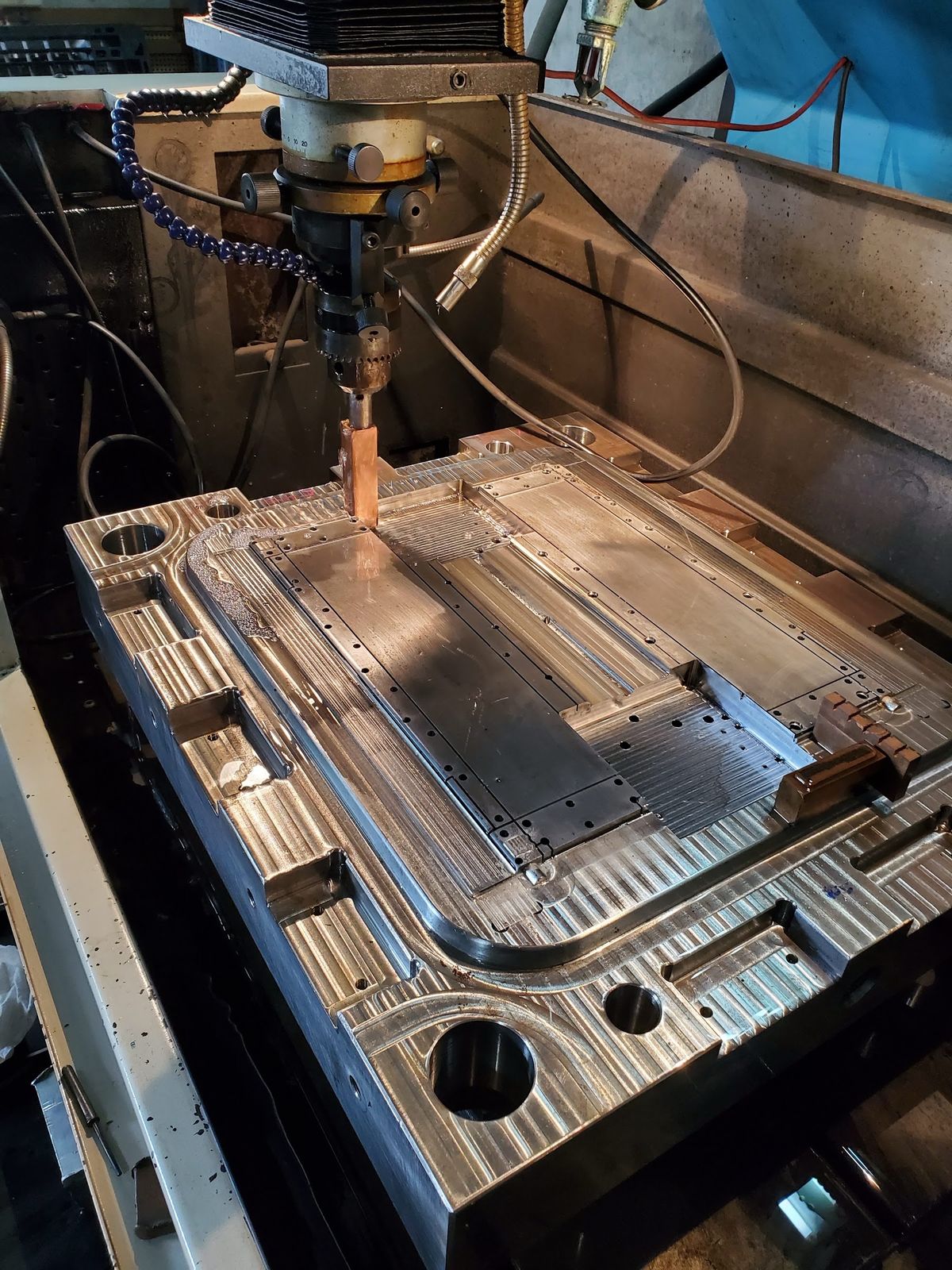
He supervises tool manufacturing — EDM, machining, fitting the halves — so first article matches the drawing.
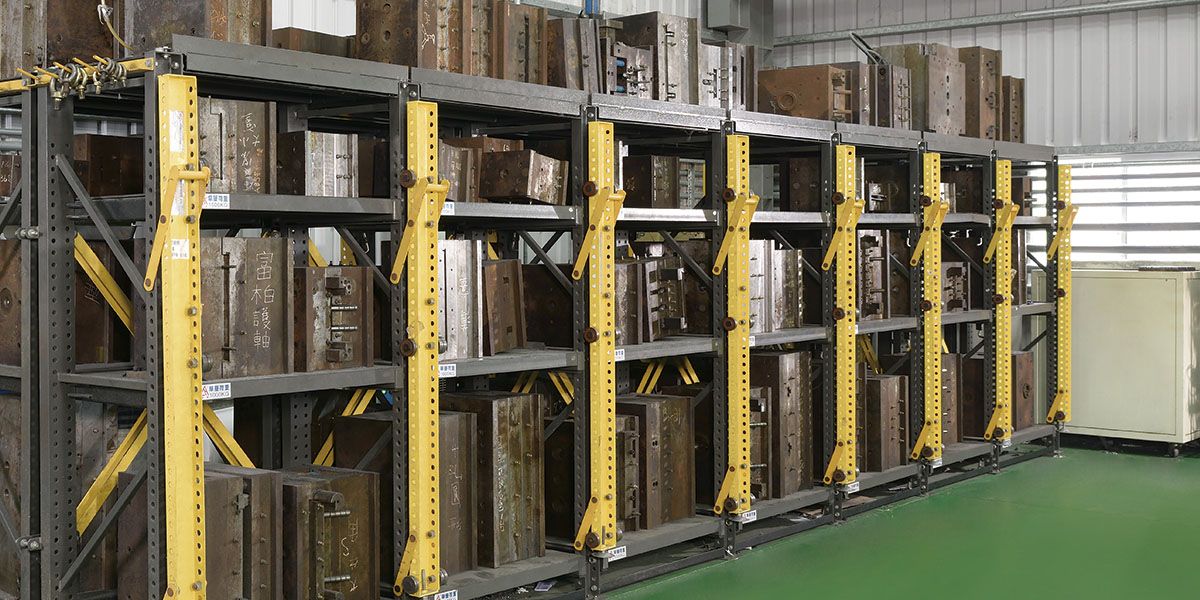
3. Store & maintain
Safekeeping between runs, maintenance when steel drifts, moves when the program needs a different press.
4. Mold & finish the product
Injection molding, including insert molding and two-shot overmolding, at qualified third-party factories. Assembly, PCBA, packaging, inspection and ship-out with Jack’s own people, or a third-party line he qualifies, as the program needs.
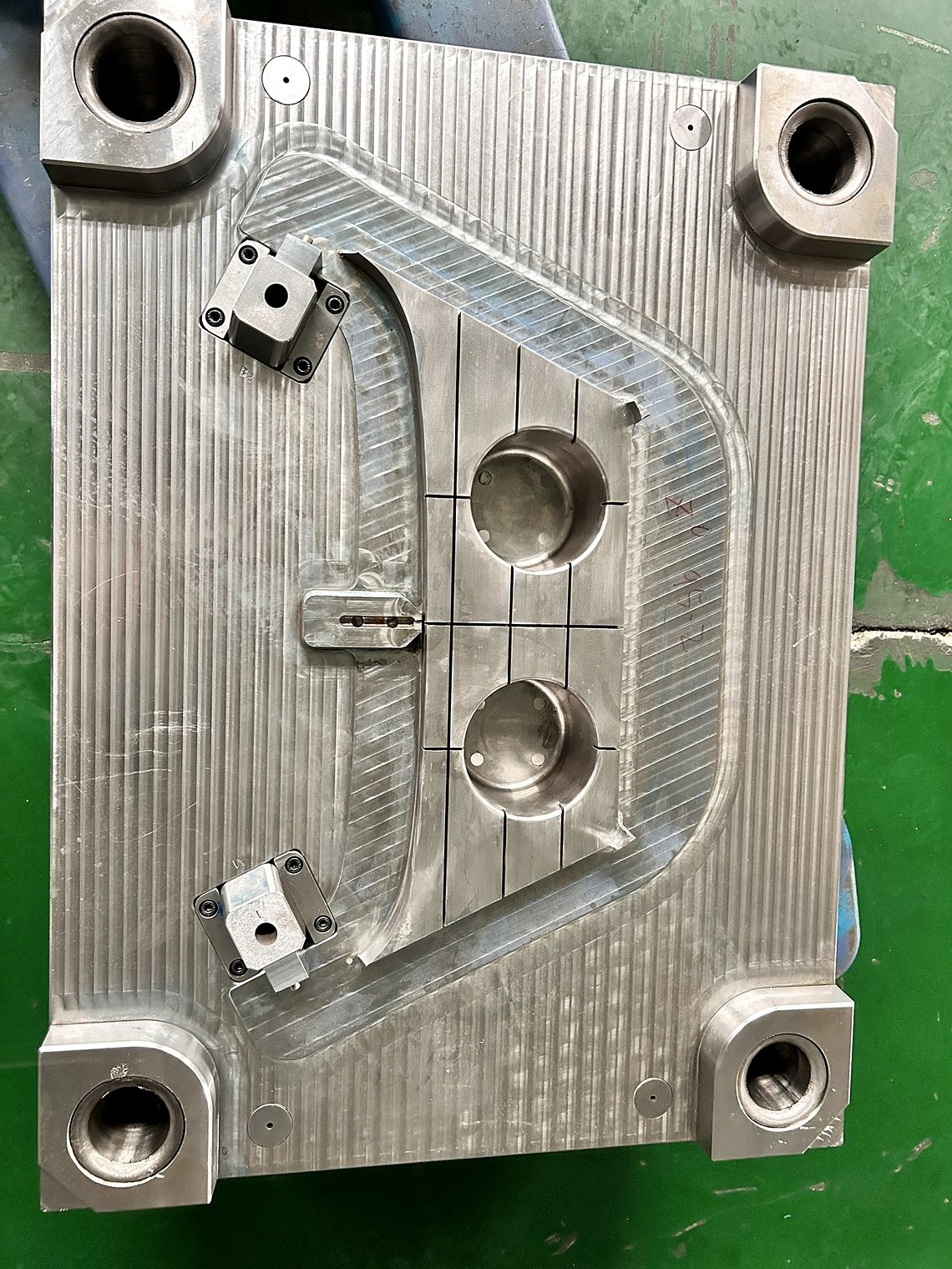

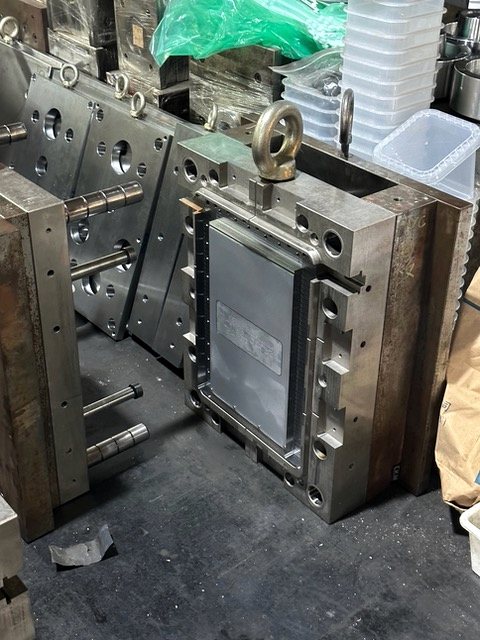
On the bench
Steel Jack is responsible for.
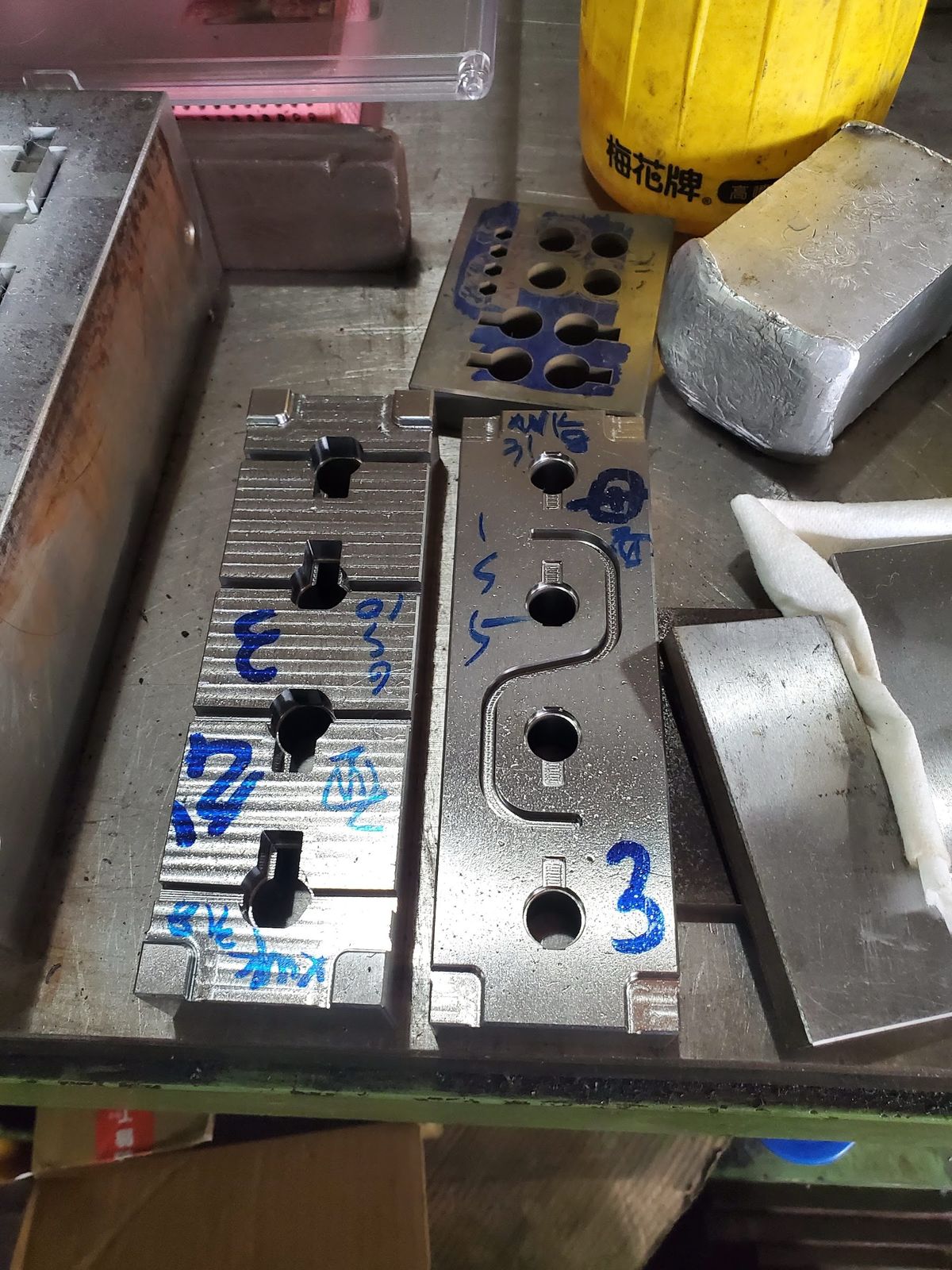
Open tools, cavity blocks, mating halves, and the machines that prove them. Captions name what you are looking at — not a generic factory tour.


From the plate to the unit
The steel is cut. Then plastic leaves the press.
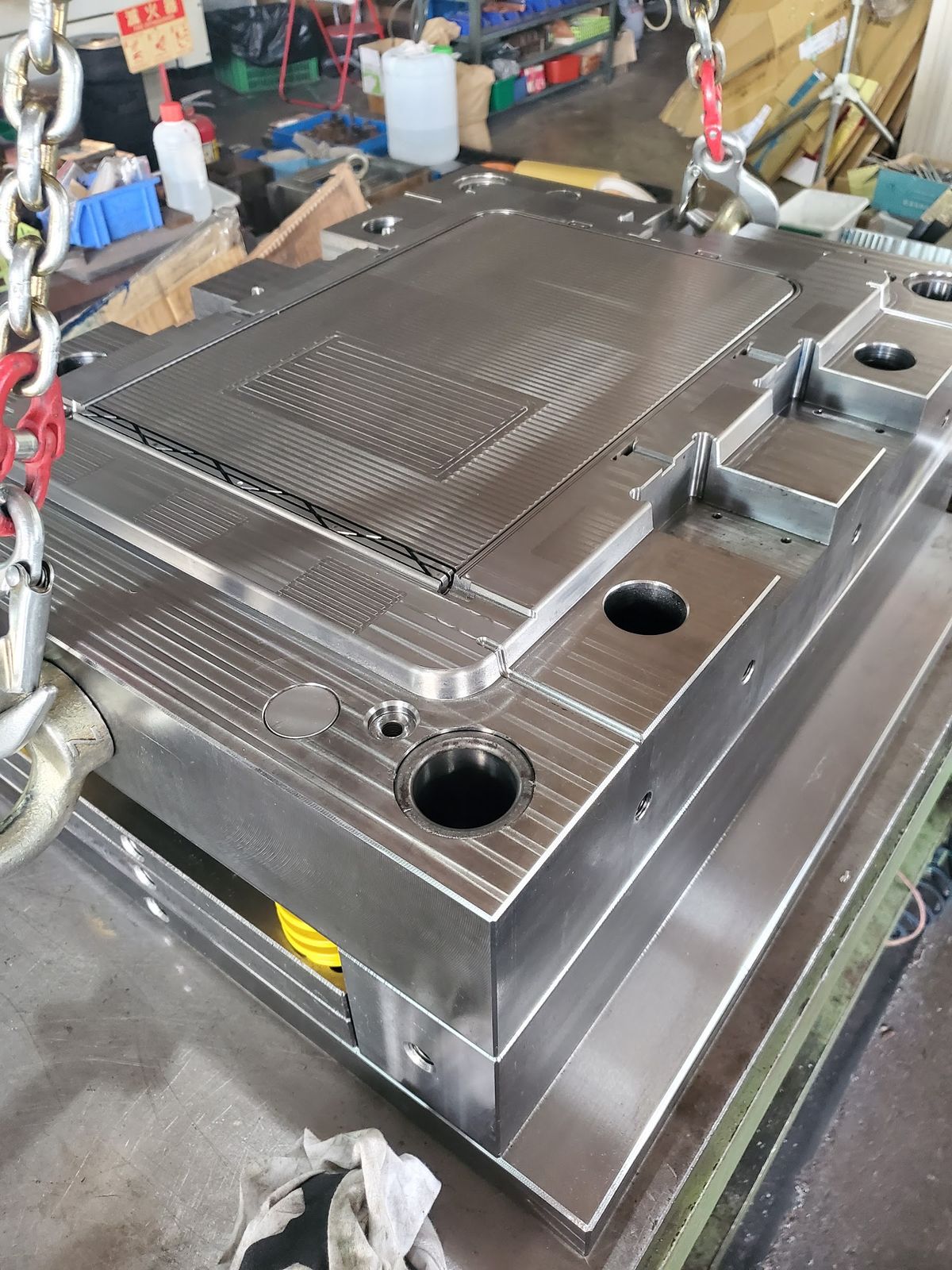
Jack’s path is this sequence, not a factory tour. A mold plate on a crane. Cavities marked on the bench. Then the goods — a plastic housing, a tray of finished units. Jack runs programs at partner factories he qualifies. More of the floor is on Proof ›
Plastic goods
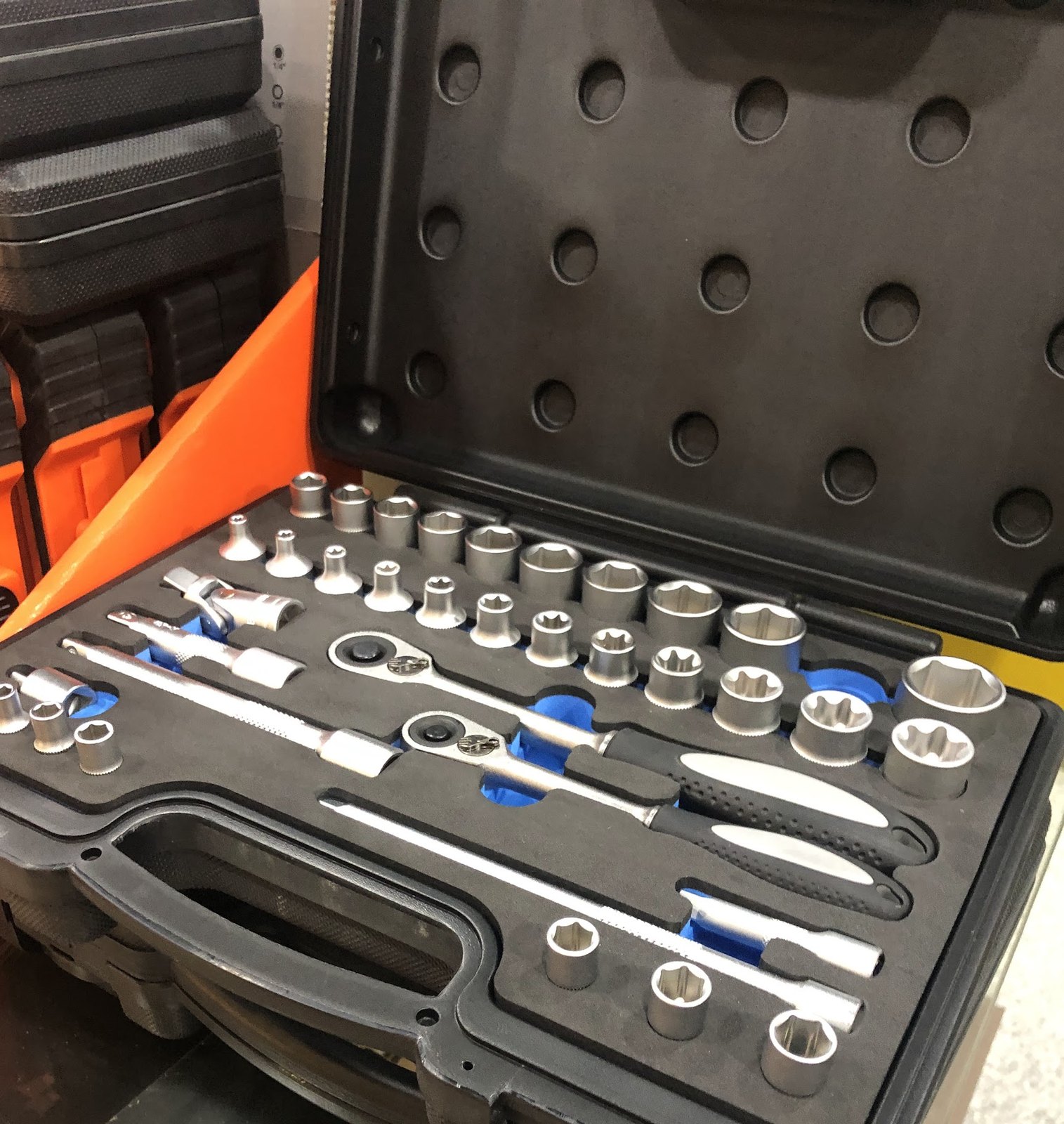
The unit that leaves. Housings, kits, a finished consumer line.
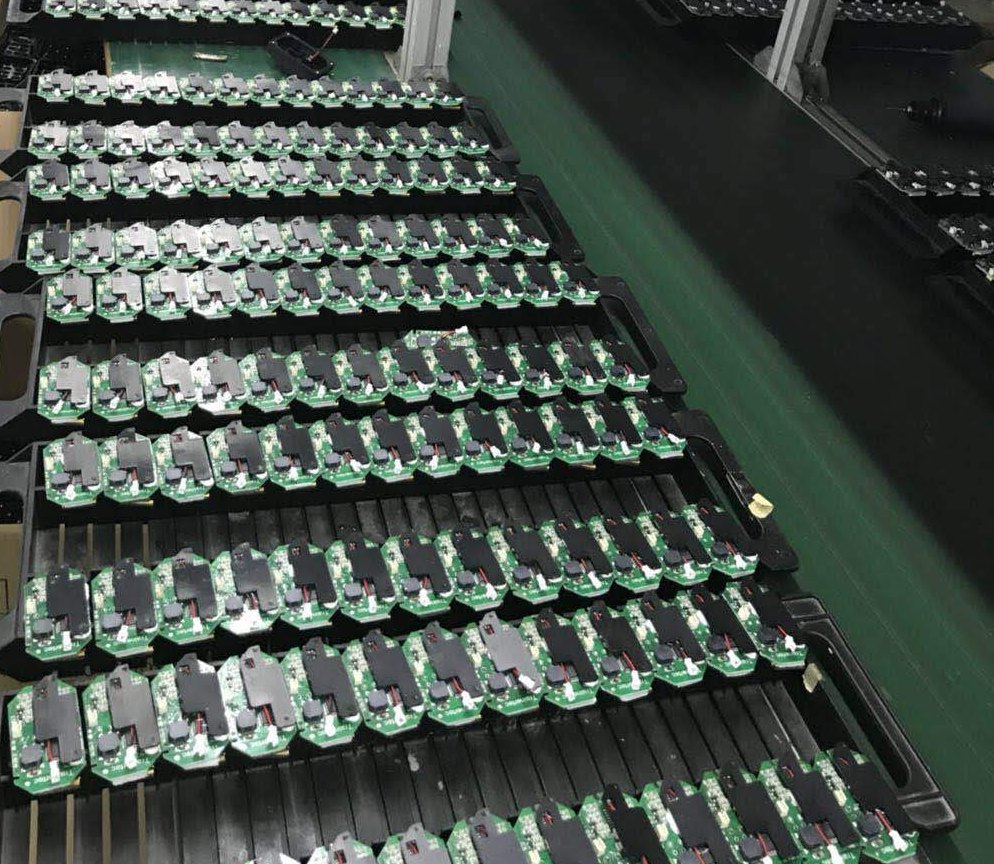
Injection and downstream work at qualified factories. Assembly with Jack’s own people, or a third-party line he qualifies, as the program needs.
Your tool could be next.
Send a drawing or a sample. Jack will say whether it should be tooled, how the steel should live, and which factory path fits after that.
Ask for time with JackFrom the notes
Written down, with sources.
- Two-shot molding vs overmolding: which does your part need?
Two-shot vs overmolding for soft-touch and two-material parts: how each works, tooling and volume break-points, bonding and design rules. - Tariff math: what moving one product from China to Taiwan actually saves
One molded product priced both ways: duty, MPF, harbor fee, freight and the one-time cost of moving the tool. Where the break-even point really sits. - What an injection mold really costs: typical ranges, lead times and custody
Injection mold cost, 2026 US figures: about $1,500–$8,000 for an aluminum prototype mold, $60,000–$150,000+ for hardened steel. Lead times, custody. - Taiwan is a small island. The shops are not interchangeable.
Taiwan's mold and machine-tool trades sit within a few dozen km of central Taiwan. Why that density matters to buyers, and why origin can't be faked. - Reverse engineering from a sample: what the part can't tell you
A scanned sample gives you geometry, not a specification. What scan-to-CAD reverse engineering produces, where tolerances get decided, and when to skip it. - How to compare injection mold quotes: why one part quotes $8,000 and $30,000
Why five suppliers quote one injection mold three times apart, what each quote assumes, and the five lines that make competing mold quotes comparable.