

Marine & boat builders
Boat parts, from the lines they are made on.
JCH Design & Manufacturing makes parts for marine brands and boat builders on the lines those parts come from: injection-molded plastic, insert and overmolded parts, cut-and-sew from coated and laminated fabrics, powder-coated metal, and electronics through finished assembly.
A boat is built from many small programs: molded parts, sewn goods, finished metal and a panel of electronics, each from a different supplier. Jack's own engineers and production people run those programs with qualified partner factories in Taiwan, China and Vietnam. We do not publish a list of marine customers. On a call, Jack will tell you what he has built that is closest to your part.

What marine buyers bring us
Many parts, low volumes, one season.
The questions that come up are less about any one process and more about running many small programs on time.
Low volume, high mix
A model line needs many different parts, each at a modest volume. The tooling decision matters more than the piece price: how many cavities, and whether a short run pays a machine fee instead. The season does not wait either: the clock runs from the tool, not the purchase order, so tooling is planned first.
Sun, salt and water
The part will live outdoors. The resin, the fabric, the hardware and the finish are chosen for what the part has to do, and Jack will say when a choice is wrong for the application.
A second source
Many marine brands already buy overseas. Production in Taiwan, a separate customs territory from China, can change the duty on a part, and a tool can move from the factory that holds it now.
The lines
Molded, sewn, coated, wired.
Each process has its own page with the detail. This is how they map to the parts on a boat.
- Molded partsCovers, housings, bezels and trim, tooled by Jack
- Grips and insertsMetal inserts, TPE or TPU overmolding, two-shot
- Sewn goodsBags, pouches and soft goods cut and sewn from coated and laminated fabrics
- Metal finishRails, brackets and frames powder coated
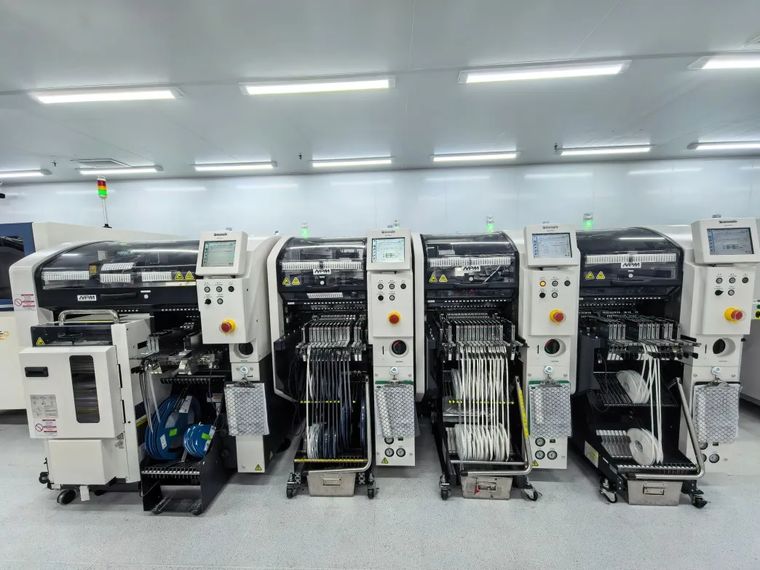
- ElectronicsPCBA through finished assembly, with functional test
- InspectionLine watch: incoming, in-process and pre-ship


Electronics
The panel is its own program.
Electronics and PCBA are one of Jack's deepest areas, from component sourcing and PCB development to firmware, functional test and finished assembly, on his own line and at qualified partner factories. The enclosure can be tooled alongside the board, so the housing and the electronics are proved together.

How a marine program runs
Start with the part list.
- Send the partsA drawing, a sample from the boat, or a photo and the annual volume. A list of parts is a good place to start.
- Tooling planWhich parts need a tool, how many cavities, and which can share a line, so the cost sits where the volume is.
- Samples and first articleEach part is sampled and measured against the drawing, and you sign the sample before the run.
- Watched run, landedThe line is watched, the pack-out is checked, and freight and US delivery are arranged on your schedule.
Questions
What buyers ask first.
Has Jack made boat parts?
Jack has run programs in sporting goods, outdoor soft goods, powder-coated metal and electronics. We do not publish customer names. On a call, he will tell you what he has built that is closest to your part.
Can parts be made for sun and salt water?
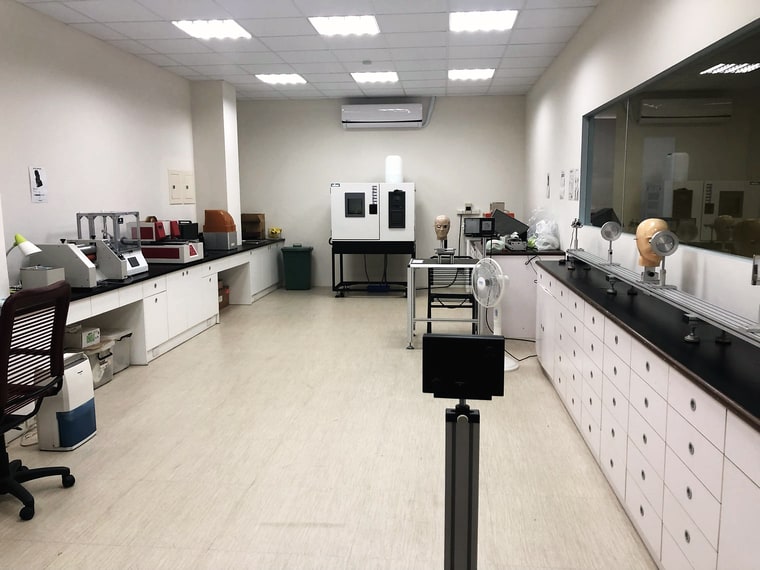
The material and the finish are chosen for what the part has to do. Tell Jack where the part lives and what it touches, and he will say when a resin, fabric, hardware or coating choice is wrong for it. If your buyer asks for a test report, the certifications page covers what the partner factories and labs can provide.
What does a low-volume molded part cost to start?
Tooling is quoted per part once Jack has seen it. The minimum depends on the size of the part and the cavities in the tool; for a single-cavity tool the starting point is about 500 to 1,000 pieces, or a machine fee for a short run. This is an estimate, not a guarantee; the quote sets it.
Can you move a tool we already own?
Often, yes. The tool is audited, crated, moved and re-qualified, then re-sampled before production. Ownership terms sit in your contract.
Can you hold inventory in the US?
Yes. Goods can land in commercially leased US warehousing, be held on your schedule, and ship to you as the line needs them.
Related
Have a part list for next season?
Send the drawings, a sample or a photo and the annual volume. Jack reads it himself and tells you plainly which parts need a tool and what each line involves.
Ask for time with Jack