

Is it a real factory? How to check before you send a deposit
The business license settles most of it in ten minutes, and almost nobody reads the right field. Here is the order to run the checks in, what an audit costs, and the findings that should end the conversation.
Filed under How a program runs
Buyers regularly forward a photo of a factory floor that a supplier has sent them — a clean line, tidy aisles, product in their category — and ask whether it is real. Nobody can tell from a photo. One write-up of Canton Fair follow-ups describes five suppliers that presented as factories turning out to be trading companies after verification, including one that had been showing factory photos that were not theirs (Homevolution).
The photo is not the check. There is a check, it is nearly free, and most buyers never run it.
Ask for the business license, then read the right field
Every Chinese company has a business license (营业执照). Ask for a copy. Then find the Business Scope field and read it. If it lists 制造 or 生产 — manufacturing, production — you are looking at a manufacturer. If it lists only 贸易 or 销售 — trading, sales — they are not a factory, whatever the website says (Advanta Sourcing).
While you have the document in front of you, check four more things on it:
- Entity name. It should match the company you have been emailing, and it must match the bank account name exactly when you come to pay. Not "close enough". Exactly. (Why that matters on the day you wire money is in payment terms that keep your leverage.)
- Registered address. Put it into Baidu Maps or Google Maps and look at the satellite view. A factory should map to an industrial site. A downtown office building is a trading company tell. Factory addresses tend to sit in areas named "Industrial District" or "Economic Development Zone".
- Registered capital. Factories generally carry higher registered capital, because equipment costs money. Low capital deserves a question.
- Issue date. A supplier claiming fifteen years of production experience on a license registered two years ago is misrepresenting something. That specific mismatch is a documented audit red flag (TradeAider).
That is ten minutes of work, before you have spent a dollar. It disqualifies a surprising number of suppliers.
The badges are not the check
"Verified Supplier", "Gold Supplier", "Audited Supplier" — these mean a fee was paid and some basic verification happened. They are a starting point, not proof, and they do not replace your own license check, audit and samples (Importivity). Treat platform listings as claims. What a supplier profile tells you is what a company says it is; verification tells you what it actually is, and the gap can be large (CheapBulk).
Signals you can read from your desk
After the license, keep gathering independent evidence. No single test decides it — the strongest position is five signals pointing the same way (SourceReady).
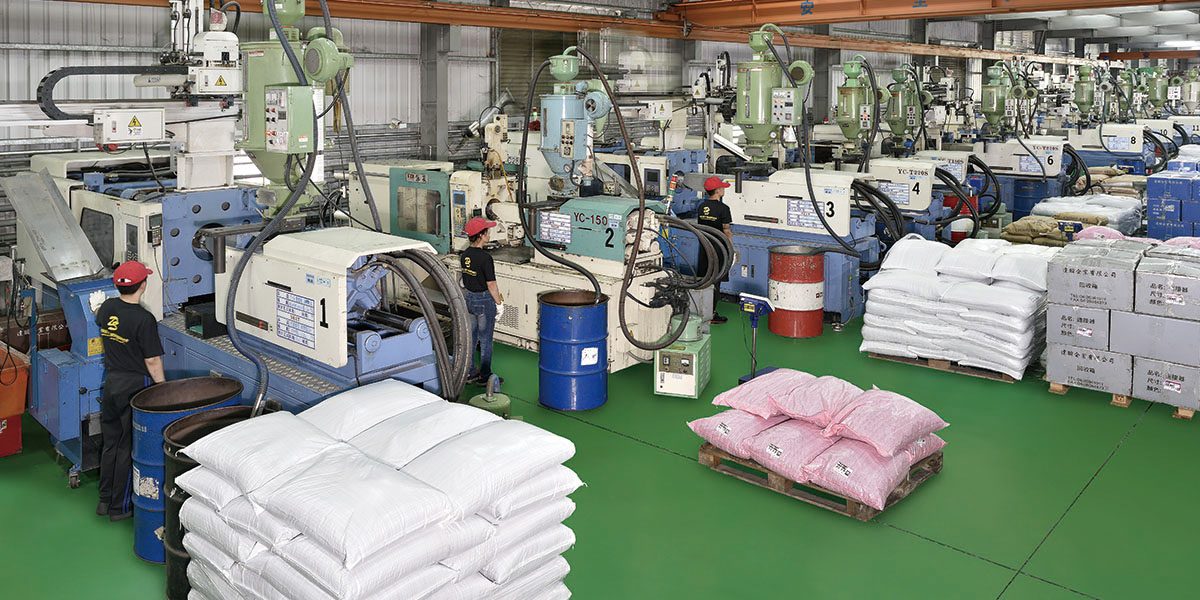
The catalog. Real manufacturers specialize. A supplier listing electronics, textiles and furniture in the same brochure is almost certainly a trader (Tetra Inspection). Five or more unrelated categories — furniture, personal care, electronics, outdoor equipment, gifts — is one of the clearest signals there is.
Response speed on production questions. Ask monthly capacity, number of production lines, manufacturing lead time, raw material lead time, equipment makes and quantities. Somebody who runs the line answers these in the conversation. Somebody who has to "check with the team" and comes back in two or three days is relaying your question to a factory you are not being told about (KB Exports).
Technical depth. Ask how the part is actually made — raw material, process, where the tolerance risk sits, what gets checked and at what stage. A factory person will go into detail quickly because they live with it.
Export history. Run the entity through a trade-data service such as Panjiva or ImportGenius and see whether they have actually shipped.
Certificates. Verify them with the issuing body, not with the supplier. A certificate number the issuer cannot find, or one that lapsed last year, ends the conversation. The same goes for lab reports: ask who holds the report and confirm it with the lab.
The video walk-through, done properly
Request a live video tour. Live, not a recorded file. Recorded footage can belong to anyone.
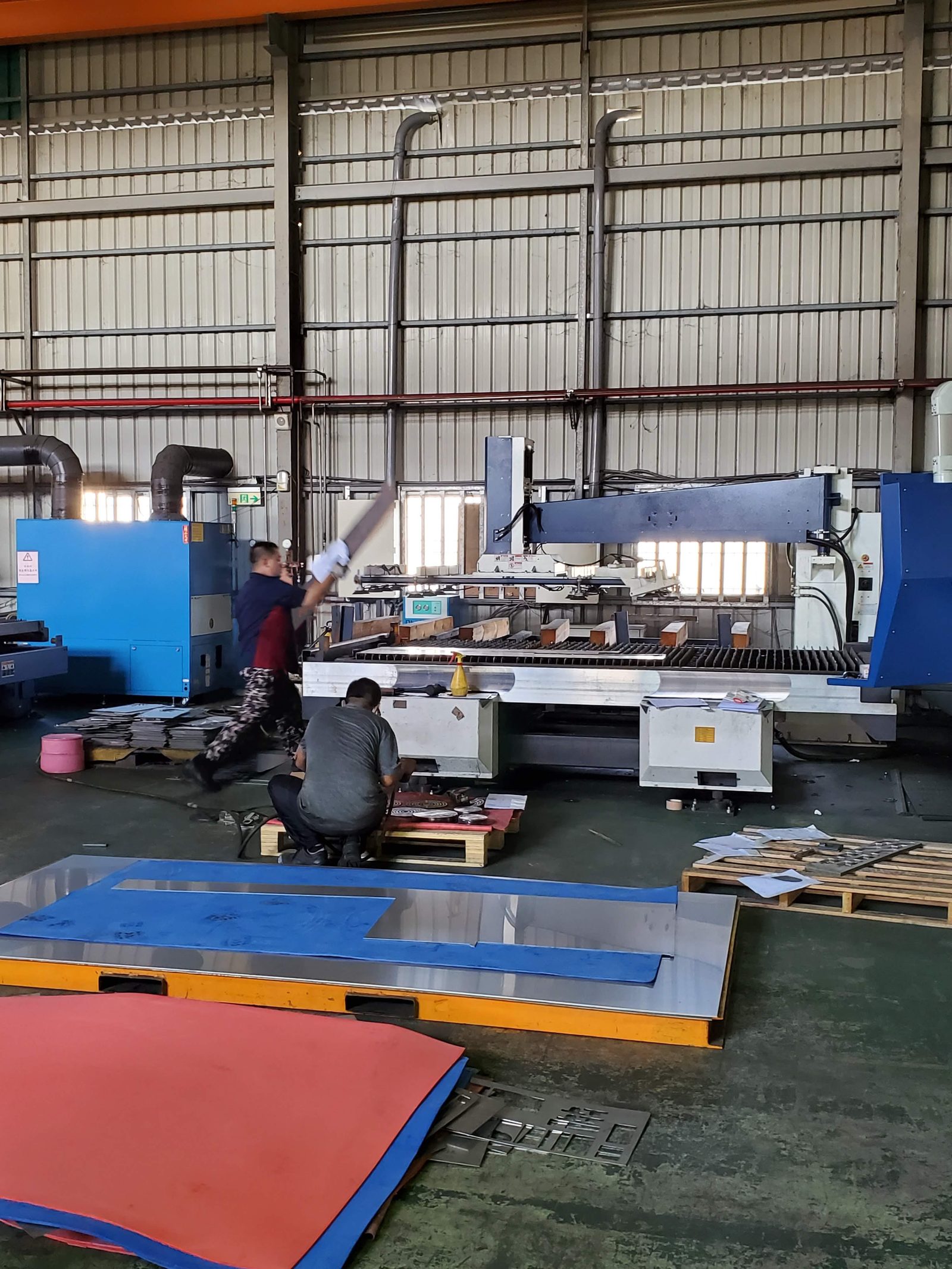
On the call, ask them to walk from the gate to the line without cutting, past the raw material store and the finished goods store, and to stop at the machine that does the critical operation on your part. Ask for the machine plate to be shown on camera. Ask what else is running that day. A manufacturer generally has no problem with any of this — they control the site and are used to buyers looking at it. For what an ordinary floor looks like, see photographs from real factory floors.
If the answer is that access is restricted for confidentiality or security reasons, treat that as decisive. A supplier that limits access to production areas has something to hide, and no legitimate factory should be limiting scope.
When to pay for an audit, and what it costs
Third-party factory audits in China run roughly $199 to $350 per man-day, and a typical audit is one to two man-days on site (TradeAider). The usual triggers are: before a first production order with a new supplier, when you scale volume significantly, annually for active suppliers, and after any quality failure that has not been closed out with an agreed corrective action.
A meaningful audit covers eight dimensions — legal and business verification, production capacity and equipment, quality management system, raw material management, in-process quality control, workforce and training, health and safety, and social compliance. The part that earns the fee is the capacity pillar: an auditor counts active lines and workstations, compares daily throughput against claimed capacity, confirms the specific processes your product needs are present and running, and checks whether production is being outsourced without disclosure (TradeAider checklist).
Common first-audit findings are worth knowing in advance: traders posing as factories, badly outdated equipment, quality systems that do not function despite the ISO certificate on the wall, and capacity well below what was quoted.
An audit is a snapshot. If you want someone who answers to you on that floor while your order is actually running, that is line watch, and it is a different job from an audit.
One more thing to ask for, because few buyers do: corrective action records. A factory with no CAPA history is not a factory with no problems. It is a factory that does not track problems.
Trading companies are not the villain
There is nothing inherently wrong with buying through a trading company, and nothing automatically better about a direct factory relationship. What matters is transparency. Note too that a normal factory buys its raw materials and components from other factories and assembles them — that is how most manufacturing works, and it is not subcontracting in the bad sense.
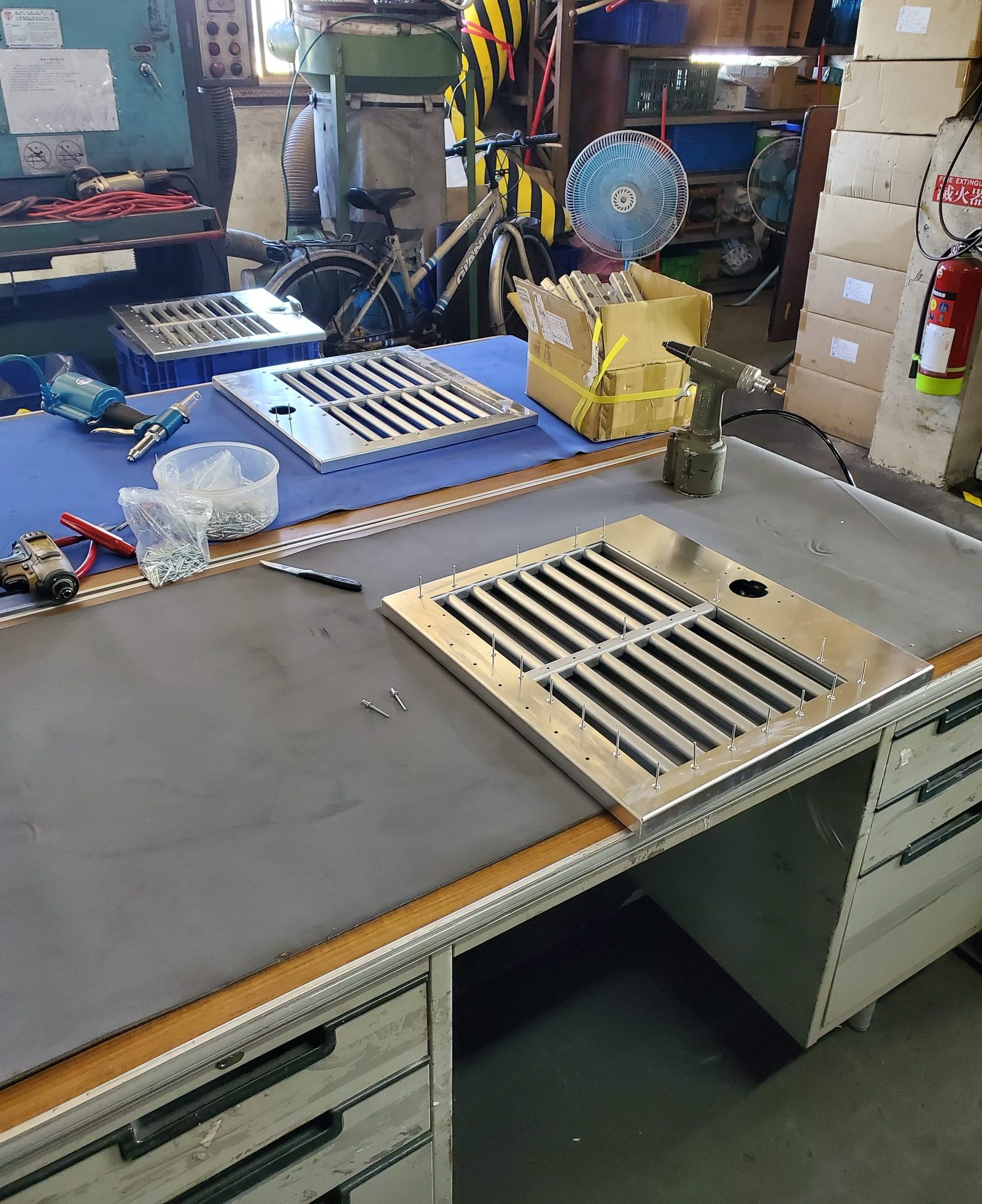
The risk is the undisclosed version: someone taking your order for a process they do not have, and quietly moving it somewhere you have never seen and cannot inspect. That is what the license, the map, the video and the audit are all testing for. Not a label — accountability. It is also one of the ways a good sample turns into a bad lot.
The honest bit
If you are buying 500 units of something standard, a $400 audit against a $6,000 order is hard to justify, and you may be better off buying off the shelf. But run the license, the address and the video anyway. Those cost nothing, and they are worth doing on every order, whether it is 100 units or 100,000.
And apply all of it to anyone who offers to make your parts, including JCH. Ask which factory, ask to see it on video, ask what the plate on the machine says. Anyone who minds is telling you something. The programs Jack has run for US companies are listed by name.
The photo proves nothing, the badge proves nothing, and the certificate on the wall proves nothing until you check it with whoever issued it. Read the license first.
Straight answers
How can I tell if a Chinese supplier is a real factory or a trading company?
Ask for a copy of the Chinese business license (营业执照) and read the Business Scope field. If it includes 制造 or 生产 (manufacturing/production), they are a manufacturer. If it shows only 贸易 or 销售 (trading/sales), they are not a factory. Then cross-check the registered address on satellite mapping — a factory should map to an industrial site, not a downtown office building — and confirm the registered capital and the license issue date are consistent with the experience being claimed.
How much does a factory audit in China cost?
Third-party factory audit services in China typically cost around $199 to $350 per man-day, and an audit usually takes one to two man-days on site. Audits are normally commissioned before a first production order with a new supplier, when order volume scales significantly, annually for active suppliers, and after any quality failure that has not been closed out with an agreed corrective action plan.
Does an Alibaba 'Verified Supplier' or 'Gold Supplier' badge mean the factory is genuine?
No. Badges such as Verified Supplier, Gold Supplier and Audited Supplier on Alibaba and Made-in-China mean a fee was paid and some basic verification occurred. They are a starting point, not proof, and do not replace your own business license check, factory audit and sample approval. Supplier profiles tell you what a company claims to be; verification tells you what it actually is.
What are the red flags in a factory audit that should stop an order?
Immediate disqualifiers include: the factory not being at its registered address, or the address leading to a residential area or unrelated facility; a site with a showroom or office but no production equipment; refusal to let an auditor into production areas on confidentiality or security grounds; and actual equipment and floor area that cannot support the capacity claimed in sales negotiations. Certificates the issuing body cannot confirm, or that have expired, belong on the same list.
Is it always better to buy from a factory rather than a trading company?
No. There is nothing inherently wrong with working through a trading company, and nothing automatically better about a direct factory relationship. What matters is transparency — knowing who actually makes the part, and being able to inspect that site. The real risk is undisclosed subcontracting: a supplier accepting an order for a process it does not have and moving production somewhere the buyer has never seen. A normal factory buying components from other suppliers and assembling them is standard practice, not a warning sign.
What should I ask a supplier on a video factory tour?
Insist the tour is live rather than a recorded file, since recorded footage can belong to any facility. Ask them to walk from the gate to the line without cutting, past the raw material store and the finished goods store, and to stop at the machine that performs the critical operation on your part and show its maker's plate on camera. Ask what else is running that day, and ask for monthly capacity, number of production lines, equipment quantities and lead times. Someone who runs the line answers immediately; someone who needs two or three days to check with the team is relaying your questions to a factory you have not been told about.
How this note was made: researched and drafted with AI assistance, checked against the sources listed below and edited at JCH Design & Manufacturing.
Sources
- Factory vs Trading Company China: Know the Difference
- Factory Audit Checklist 2026: What Quality Audits Cover
- Best Factory Audit Services in China 2026: 8 Compared
- Factory Audit Red Flags: 12 Warning Signs to Never Ignore
- Supplier Verification Audit: Process, Checks & Red Flags
- Supplier Vetting: Process, Checklist & China Verification
- Factory vs. Trading Company: 10 Ways to Tell the Difference
- Factory Audit China | On-Site Verification
- Factory or Trading Company at the Canton Fair?
- Manufacturer vs Trading Company: 2026 Sourcing Guide
- Factory Audit Services in China: A Complete Guide (2026)