

Vietnam & China + 1
Vietnam and China + 1, run from Taiwan by the man who answers.
JCH Design & Manufacturing runs China plus one programs from Taiwan. Jack Cheng specifies the tool, qualifies partner factories in Taiwan, China and Vietnam, tells you which one fits your part, and puts inspectors on the line, with Vietnamese translators beside them in Vietnam.
China plus one means keeping a second country in the plan, so one factory or one tariff list does not decide your year. Vietnam is often that second country. Here it is part of a network that starts with Jack: Taiwan by default for the tool, and Vietnam or China when that is the better factory for the part, said out loud before anything is cut.

Which country
Taiwan, Vietnam or China: the part decides.
A China plus one plan is only as good as the factory it lands in. Jack starts from the part, the volume and the US entry, then names the country. If the right factory for your part is in China or Vietnam, he will say so, and the origin on the entry will match the floor. The full Taiwan case is on why Taiwan.
Taiwan, by default
The default for the tool, and for US-bound programs where origin moves the landed cost. Jack designs and supervises the steel there, in English with you and Mandarin on the floor.
Vietnam, when it fits
Molding runs in Vietnam when that is the better factory for the part. Sewn programs are made in Taiwan, Vietnam or China depending on the program, and each product is marked with the country where it is actually made.
China, said plainly
Some electronics and some volume belong in China. It stays in the network when it is the right factory, and someone who answers to you is on that floor too.
Origin, not the port
China + 1 only works if the origin is real.
US Customs asks where the article last became a new article (substantial transformation), not which port it sailed from. A Chinese-made part lightly processed or relabeled in Vietnam is the same problem with a different port. The Diplomat, citing academic work from Harvard, Duke and Academia Sinica, reported more than $8 billion of Chinese exports rerouted through Vietnam to the United States in the first three quarters of 2025 without substantial transformation (The Diplomat).
Jack will not relabel a China lot as Taiwan or Vietnam to dodge a list. He will say which territory the tool and the lot should carry before steel is cut, and what that does to the US entry, in the same conversation as cavity count and piece price. Duty rates change often, so confirm your HTS line with a licensed customs broker. The longer read is Taiwan is a small island; the shops are not interchangeable.
On the floor
Who is on the line in Vietnam.
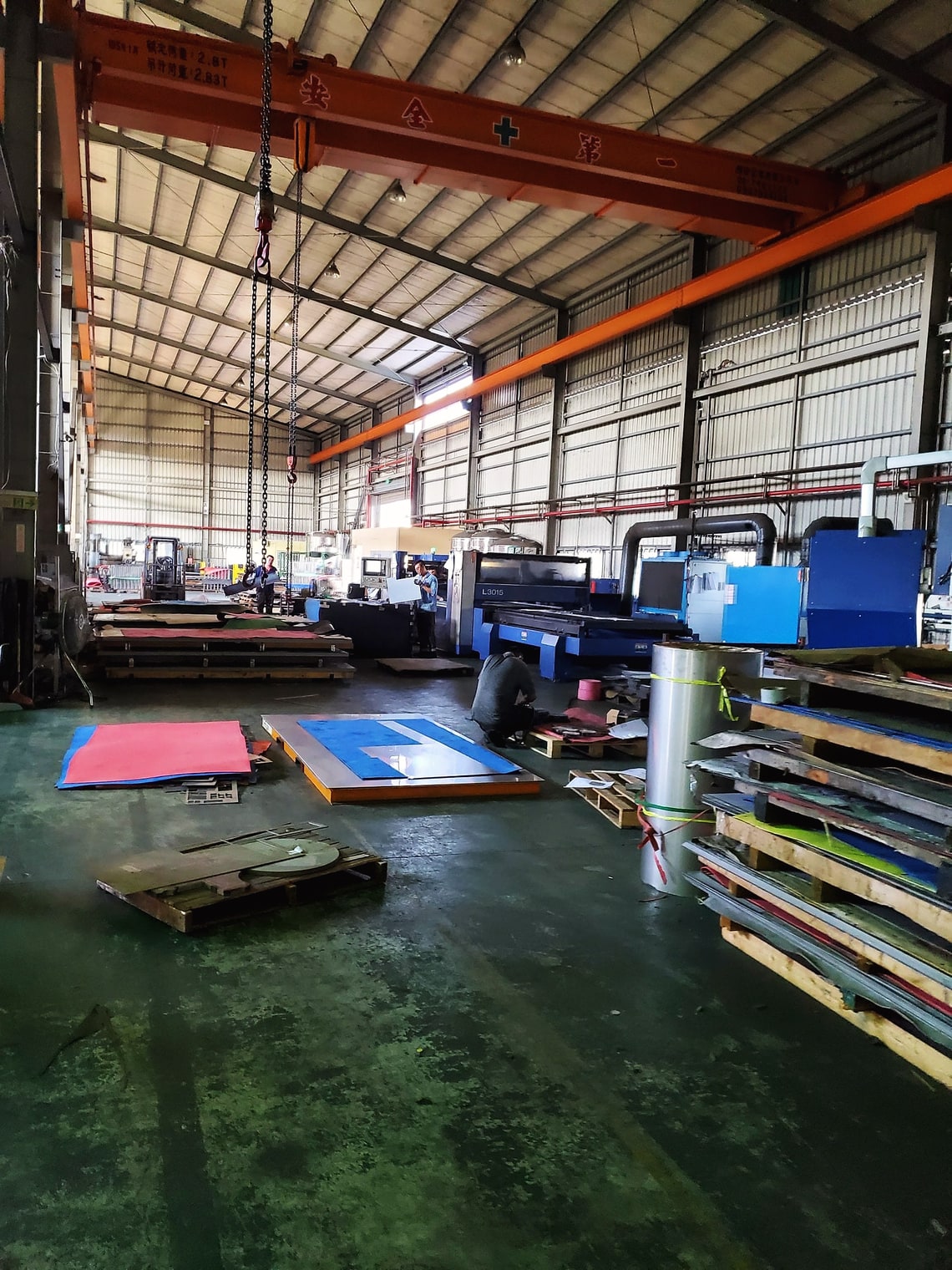
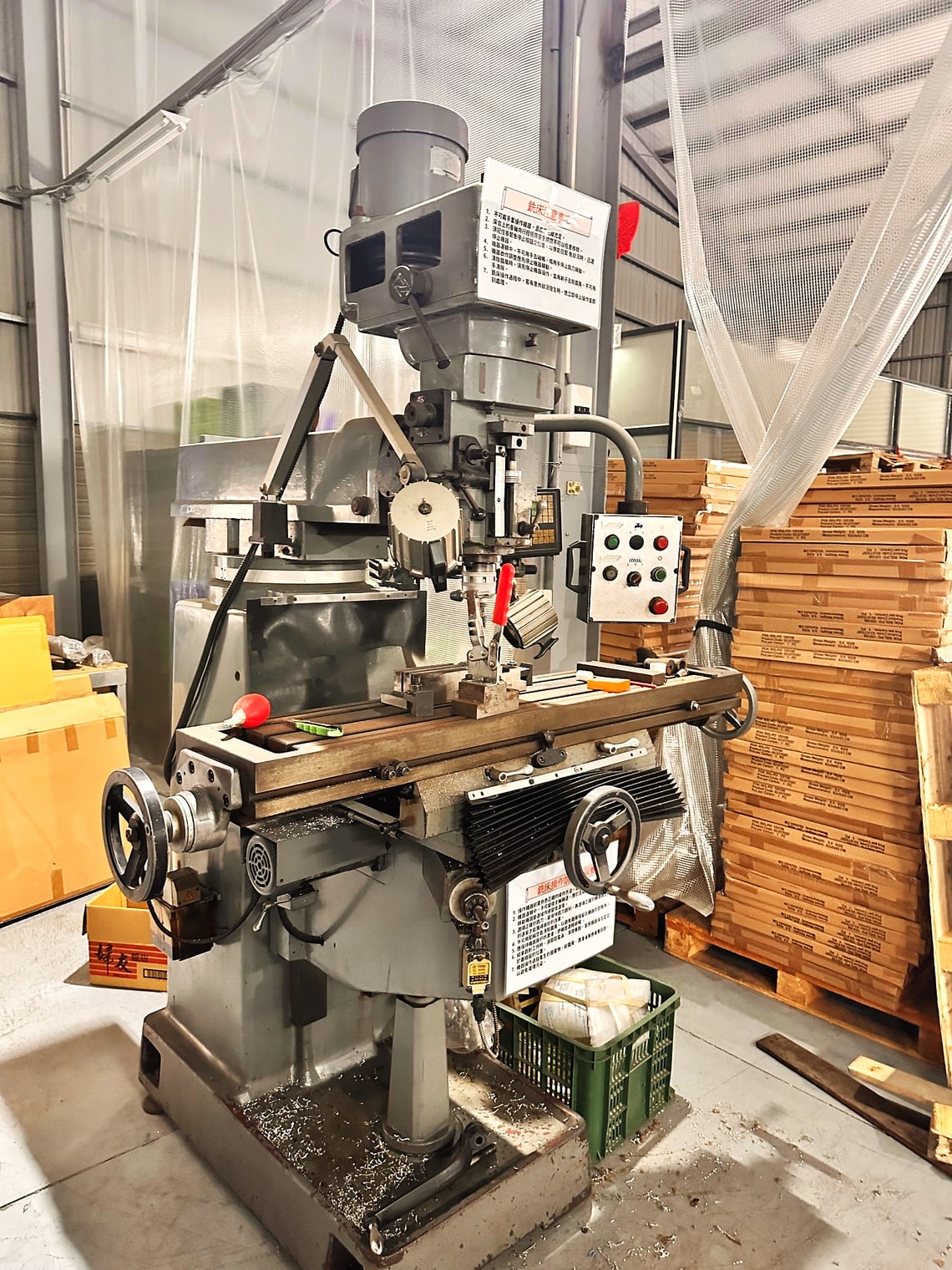
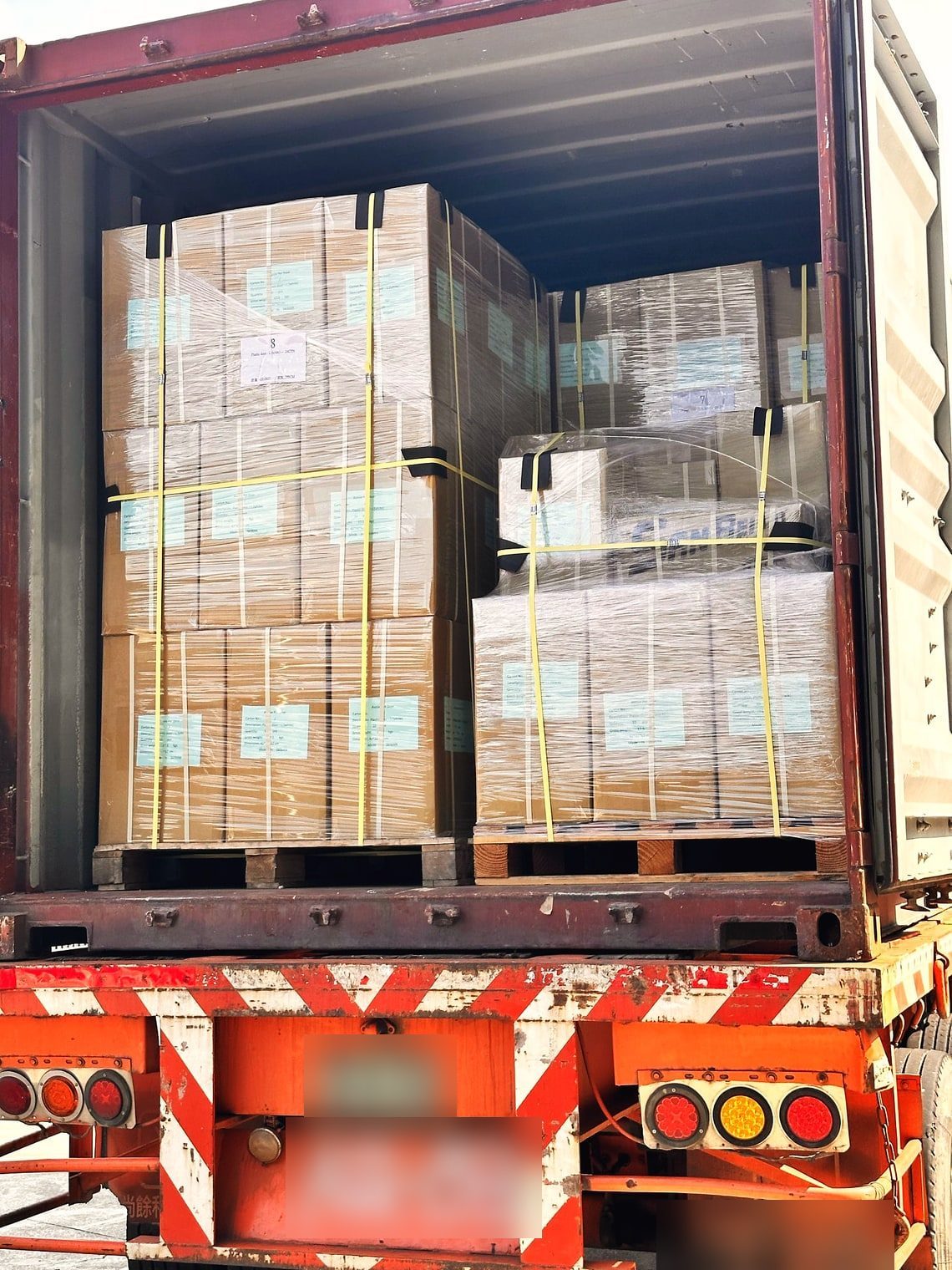
A second country adds a second floor you are not standing on. That is what line watch is for: Jack's own inspectors check incoming material, in-process parts and the lot before shipment on partner lines in Taiwan, China and Vietnam.
- LanguagesEnglish with you, Mandarin on the floor in Taiwan and China, and Vietnamese translators with the inspectors in Vietnam.
- The checksIncoming material, in-process and pre-ship: quantity and grade, not only cosmetics, and the lot against the sample you signed.
- The swapsA changed resin grade, softer steel than quoted, a short quantity, a quiet subcontract. The cheap place to catch them is before the container.
- The factoriesQualified third-party partner factories Jack has visited. JCH does not own the plants, and says so plainly.
- Who answersJack Cheng, the principal, on (321) 323-4474 and at jack@jchtrade.com.
- First replyWithin 1 business day of your message.
How a move runs
Moving a product out of China, in order.
The sequence is the same one Jack runs for a move to Taiwan; what changes is the floor at the end of it. The six steps of a program are on how it works.
- Start with the entryThe HTS line, the China list status, and what has to happen in the new country for the origin to change.
- Settle the toolRecover the existing tool or cut a new one. Ownership, and who has to agree to the tool leaving, go in the contract first.
- Qualify the factoryOn-site visit, a capacity and equipment check, and a quote worked against your drawing.
- Move the programDrawings and CAD, the bill of materials, resin grade and color standard, the golden sample, the inspection plan and packaging dielines.
- Prove itRe-qualify the tool with a measured first article, then ship a pilot lot before the volume.
- Watch the lineLine watch from the first lot, in the language of the floor.
If you are second-sourcing a part that is already made, the second-source RFQ checklist lists what a new factory needs before it can give a firm number.
An honest limit
What we will not do.
Relabel a lot
A China lot does not become Taiwan or Vietnam because of a carton or a port. The origin on the entry matches the floor.
Pick the country first
The country follows the part, the volume and the entry. Jack names it after he has seen what you make.
Claim the plants
Production runs at qualified partner factories. What JCH owns is the engineering, the qualification, the inspection and the contract you sign.
Questions
What buyers ask first.
What is China plus one?
A sourcing plan that keeps China in the mix but adds a second country, so one factory, one port or one tariff list does not carry the whole program. Vietnam and Taiwan are common second countries. With JCH, Jack picks the country from the part, the volume and the US entry.
Do you manufacture in Vietnam?
Yes, at qualified partner factories that Jack has visited. Molding runs in Vietnam when that is the better factory for the part, and sewn programs run in Taiwan, Vietnam or China depending on the program. JCH does not own the plants; it owns the engineering, the qualification, the inspection and the contract.
Is Vietnam or Taiwan better for my product?
It depends on the part. Taiwan is the default for the tool and for US-bound programs where origin moves the landed cost. Some volume and some electronics belong in China or Vietnam, and if that is the right factory for your part, Jack will say so. Why Taiwan covers the duty side.
Can a Chinese part shipped through Vietnam count as Vietnam origin?
No. US Customs asks where the article last became a new article (substantial transformation), not which port it sailed from. JCH will not relabel a China lot as Taiwan or Vietnam to dodge a list. Confirm your HTS line and origin with a licensed customs broker.
Who inspects production in Vietnam?
Jack's own inspectors, through line watch: incoming material, in-process parts and the lot before shipment. Vietnamese translators sit with his inspectors in Vietnam, Jack speaks Mandarin on the floor in Taiwan and China, and you deal with him in English.
Does Vietnam work for a US government (TAA) order?
Check before you choose the country. On the Trade Agreements Act list in FAR 25.003, Taiwan is a designated country and China and Vietnam are not. Confirm the rule for your solicitation with the contracting officer.
How do I start a China plus one move?
Send a drawing, a sample or a photo through the quote form. We'll sign your NDA, or use ours, before you share details, and you get an answer within 1 business day. The RFQ checklist shows what a new factory will ask for.
Related
Thinking about a second country?
Send the part, the volume and where it is made today. Jack will tell you which floor fits, and why.
Ask for time with Jack