

The golden sample was perfect. Lot three was not.
A signed sample proves one unit was made well. It does not prove the line will hold that unit at volume. Here is the swap — resin, steel, a different line, a quiet subcontract — and the only cheap place to catch it.
Filed under Line watch and quality control
You signed the sample. It sat on your desk. Six weeks later a container arrived that did not match it. That is not a rare story. It is the ordinary way a program fails.
A golden sample is the approved physical reference for a product. Sofeast's definition is the honest one: it should be made with the same materials, components, tooling, finishes and production process planned for mass production (Sofeast). The same page is equally clear about what it does not prove. A golden sample does not automatically prove that the factory can produce the same quality consistently at scale.
That gap is the whole job.
What the sample actually is
On a well-run program the sample is a standard, sitting beside the drawing, the bill of materials, the tolerances and the inspection checklist. You keep one. The factory keeps one. Both are signed. Sofeast's advice is to sign and date them. If a later lot diverges, you have a physical argument instead of a memory of a photograph (Sofeast).
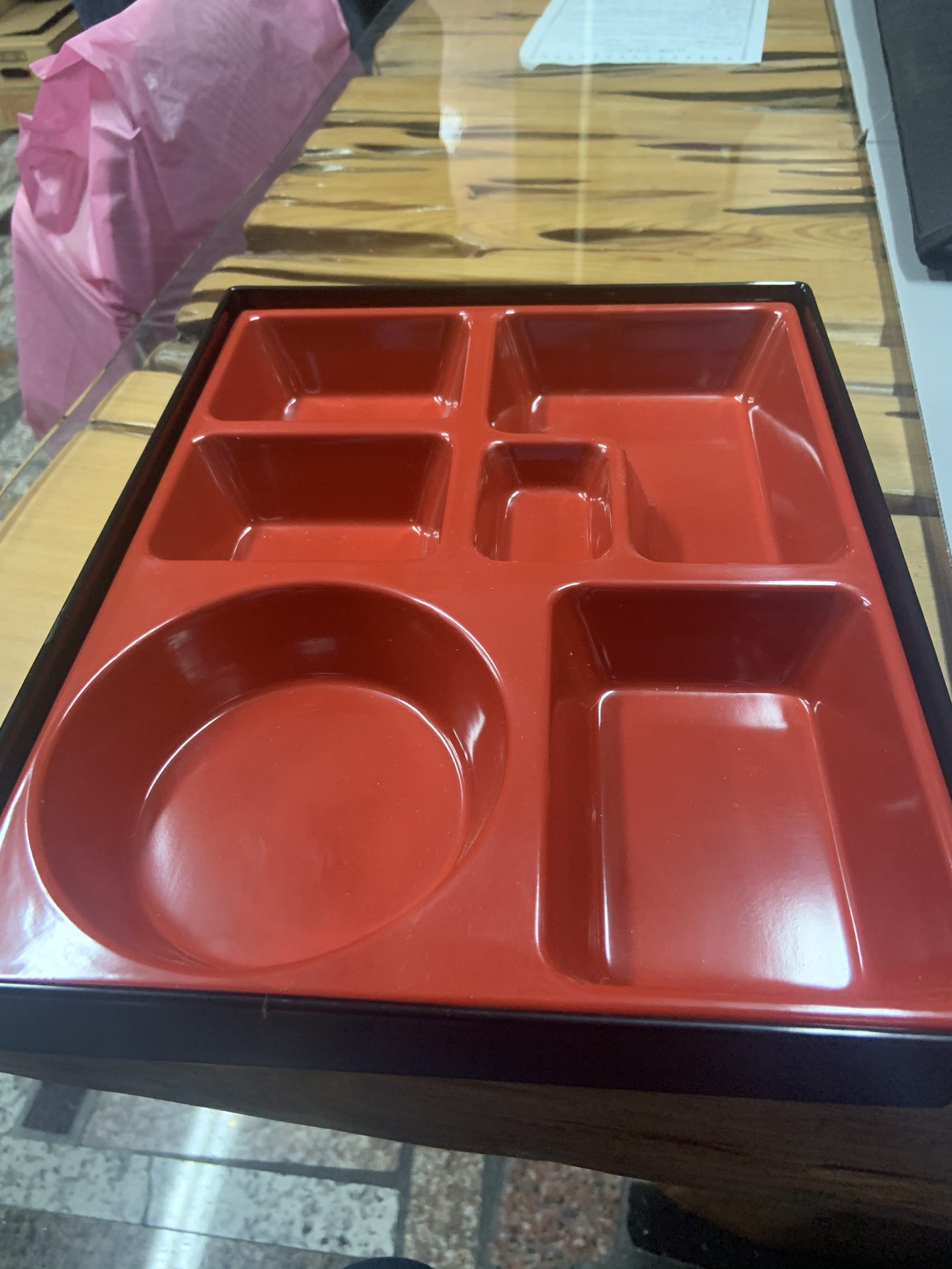
On a poorly run program the sample is a sales tool. It is built by the best operator on the floor, or by a different shop altogether, with better material and extra finishing time; TradeAider's version is a master technician on the sample and temporary workers on a fast line for the bulk order (TradeAider). Production is none of those things.
TradeAider puts the same trap in a table: the golden sample is often hand-crafted or carefully supervised; the production sample is what the line actually makes (TradeAider). The bait-and-switch version is worse still: the sample is outsourced to a high-end workshop to win the order, then the lot is run at a cheaper facility. You never stood on either floor.
The usual moves
The literature names the same four moves, because they are the ones that pay. Packaging is not exempt: a lighter board or a looser insert is the same move, which is why the retail box and master carton spec is written down.
Material substitution. Cheaper raw material is the first breakdown TradeAider lists (TradeAider). On stainless, it is a lower grade that looks the same on the day and rusts sooner. On a molded part the same move is a resin grade. On a tool it is a softer steel than you paid for. You will not see it in a photograph of the carton.
A different line. Samples are made by the showroom team. Bulk goes to the regular line, with different training, different fixtures, different supervision. On electronics the same pattern is a hand-reworked first article that hides a drifting pick-and-place or a cooling reflow oven (Bester PCBA). A skilled human can fix a machine's mistakes on one unit. Five thousand units cannot.
Component drift. A golden sample captures one moment, built under controlled conditions with hand-picked parts from a single lot. Volume pulls from multiple reels, multiple shifts, fixtures that have seen thousands of cycles (China Future Sound). The sample cannot predict that environment because it was never exposed to it.
A quiet subcontract. The factory that showed you the sample is not the factory that ran the lot. Quantity comes up short. Grade comes in low. The carton still has the right logo. The desk checks that expose a factory that is not what it claims are in real factory or trading company.
None of this is about nationality. It is a margin move. It happens in Taiwan, China and Vietnam — anywhere the buyer is not on the floor.
First article is not a movie
First-article inspection compares a manufactured part against a drawing. If the drawing is wrong, or the sample was a lie, the FAI can pass and the program still fails. Bester's point on PCBA is the general one: the job of a first article is to verify that the machine can build the rest without a technician compensating (Bester PCBA). A perfect unit that a person touched up is not that proof.
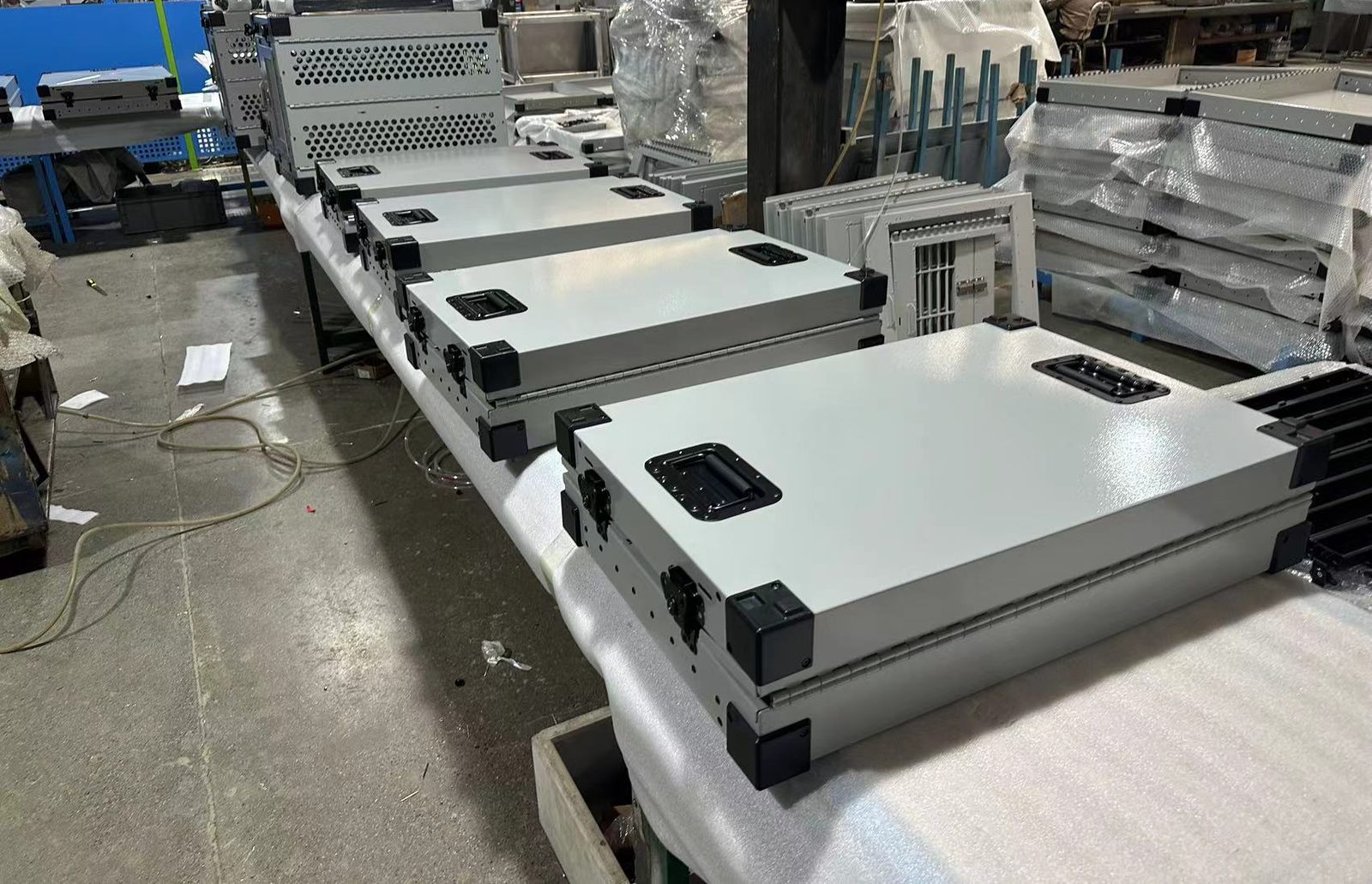
Sofeast is blunt about the next failure: do not allow the factory to quietly replace the golden sample after approval. If a change is needed, use a written change (Sofeast). A swapped reference is how a program argues with itself six months later.
The cheap catch is before the container
In-process checks exist because the problem is still cheap at origin. The ordinary list is a first article, a check during production (TradeAider suggests when 20 to 50 percent of the order is made, while errors can still be fixed) and a final random inspection before shipment. TradeAider adds the physical presence of the signed sample at the factory so the comparison is not a memory. It is also why your final payment should still be unpaid when that check happens (TradeAider). For retail packs, third-party lab reports such as ISTA 6 and Prop 65 settle the transit and materials questions before volume.
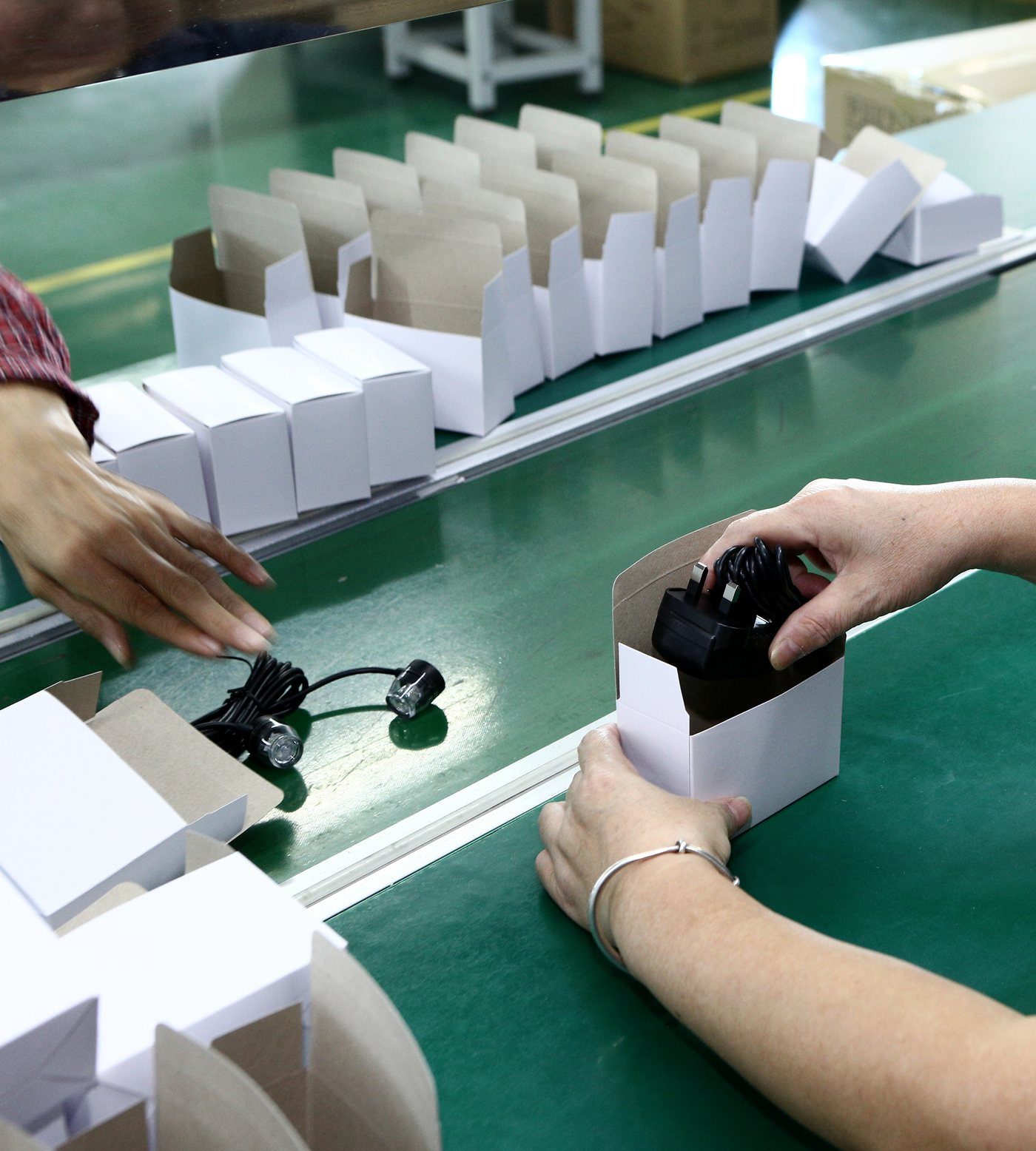
A day-rate inspector who leaves after the Uber can catch cosmetics on the day they were booked. They cannot watch a resin swap on Tuesday night, or a short on Thursday, or a subcontract that started after they flew home.
That is line watch. Someone who answers to you stays on the floor — incoming material, in-process, pre-ship, quantity and grade. Jack speaks Mandarin on the floor in Taiwan and China. Vietnamese translators sit with his inspectors in Vietnam. English on the phone with you. Jack runs programs at partner factories, and the watch is his.
If the line is already running and quality is the problem, a photograph of the failed lot is enough to start. The question is not whether you have a sample. The question is whether anyone who works for you is standing where the sample is supposed to be matching the lot.
The sample was a sales tool. Production is the bill. The only cheap place to catch the difference is before the container.
Straight answers
What is a golden sample in manufacturing?
A golden sample is the final approved physical sample of a product that the buyer, the supplier and the inspection team use as the reference standard for mass production. It should be made with the same materials, components, tooling, finishes and production process planned for volume. It becomes part of the quality standard alongside the drawing, the bill of materials and the inspection checklist. It does not, by itself, prove the factory can hold that quality at scale.
Why does mass production often fail to match the sample?
Because the sample is often made under better conditions than the lot: a better resin or steel, the best operator, extra finishing time, a different line, or even a different shop. Production then substitutes material, drifts on fixtures and shifts, or is quietly subcontracted. The sample captures one unit. Volume is a process.
Is a signed golden sample enough to control quality?
No. It is necessary and it is not sufficient. Keep a signed sample at your end and at the factory, and do not let it be quietly replaced. Then inspect incoming material, in-process and pre-ship against that sample and the drawing. The cheap catch is before the container leaves.
Does first-article inspection prove the line will hold?
Not on its own. First-article inspection proves a unit matched a drawing. If a technician hand-reworked that unit, or if the sample was made on a different process, the FAI can pass while volume fails. The useful first article is one the machine can repeat without a person compensating.
What should I do if my line is already running and the lot does not match?
Send a photograph of the failed lot and the sample you signed. The first questions are material, count, whether the factory that ran it is the factory that showed you the sample, and whether anyone who answers to you is on that floor. Jack's line watch is built for that case — Mandarin on the floor, Vietnamese with the inspectors, English on the phone.
How this note was made: researched and drafted with AI assistance, checked against the sources listed below and edited at JCH Design & Manufacturing.