

Taiwan is a small island. The shops are not interchangeable.
Taiwan's tool and machine-tool trades sit in a few dozen kilometers. That density is why a principal who knows the shops is not the same as a catalog of factories. Origin is still the floor — a China lot stuffed at Keelung is still China.
Filed under Taiwan, origin and tariffs
Most Americans hear "made in Asia" and picture a continent. The part of Taiwan that cuts tools is not a continent. It is a strip.
Taiwan.md describes the machine-tool trade as concentrated in a 60-kilometer "Golden Corridor" on Dadu Mountain in Taichung — Qingshui, Shalu, Longjing, Wuri, then Changhua, Fengyuan, Taiping, Dali. About 1,500 precision-machinery firms and tens of thousands of suppliers sit in that strip, which the same piece calls the highest-value-per-unit-area precision-machinery cluster in the world (Taiwan.md). Taichung's own economic bureau says up to 70 percent of Taiwan's tool-machine and mechanical-component industries sit in central Taiwan, with Taichung the densest node (Taichung City Government).
KiTalent, writing on the same cluster in 2026, puts the mold share next to the machine-tool share: Taichung produces 70 percent of Taiwan's machine-tool output and 60 percent of the island's mold manufacturing capacity within a 30-kilometer radius (KiTalent). Those two figures are not the same radius and not the same year as the 60-kilometer corridor. Treat them as the same fact said two ways: the shops are close to each other.
How many shops, and what they actually make
The Metal Industries Research & Development Centre's 2025 industry review, citing Taiwan's Ministry of Economic Affairs statistics, puts the mold industry at about 3,200 firms and about 39,008 people. Northern Taiwan held 1,436 firms (45 percent), central 1,042 (33 percent), southern 722 (23 percent). 2024 output was NT$57.5 billion, down 12 percent on 2023; plastic-forming molds were 27 percent of that, stamping 10 percent, die-casting 7 percent, with forging and other tooling and parts the rest (MIRDC / Taiwan Forging Association).
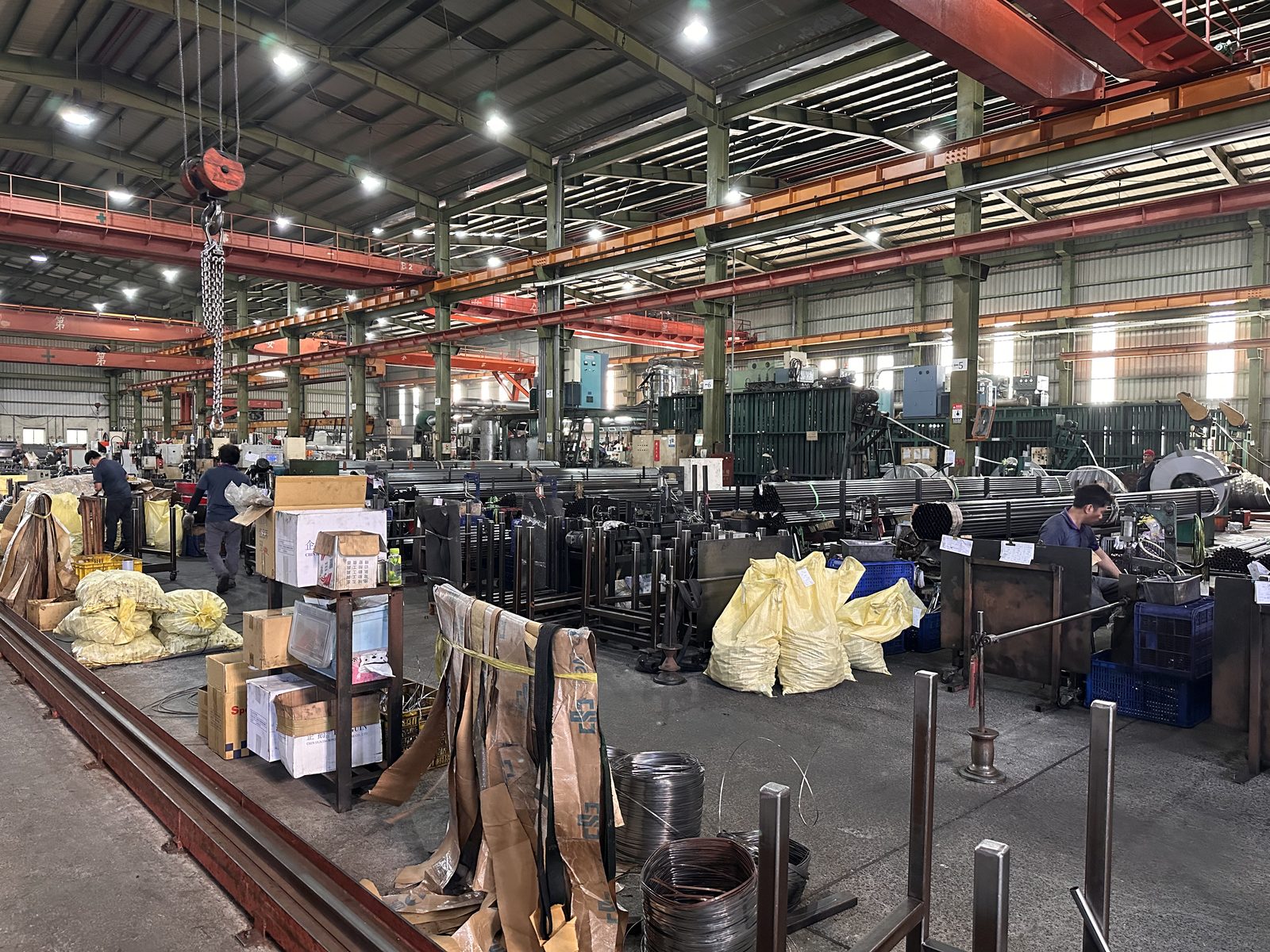
Those are small firms, stacked on top of each other. The hand-tool trade next door is the same shape: about 70 percent of makers in Taichung, Changhua and Nantou, and a thirty-minute drive that can cover a dozen categories (CENS; Taichung City Government).
A catalog of factories looks large on a website. On the ground it is a neighborhood. That is the point of "Taiwan is a small island." Jack knows the tool shops, the machine shops, the packers, because they are a drive, not a supply-chain abstraction. He runs programs at partner factories; knowing them is not the same as listing them.
The shops are not interchangeable
Density is not sameness. A shop that cuts a multi-ton mold is not a shop that stamps a hand-tool, and neither is a shop that packs a private-label carton. The MIRDC breakdown is the warning: plastic molds, stamping dies, die-casting dies and forging dies are different trades with different downstream customers. A principal who has walked the floor can tell you which one your part actually needs. A sourcing form cannot.
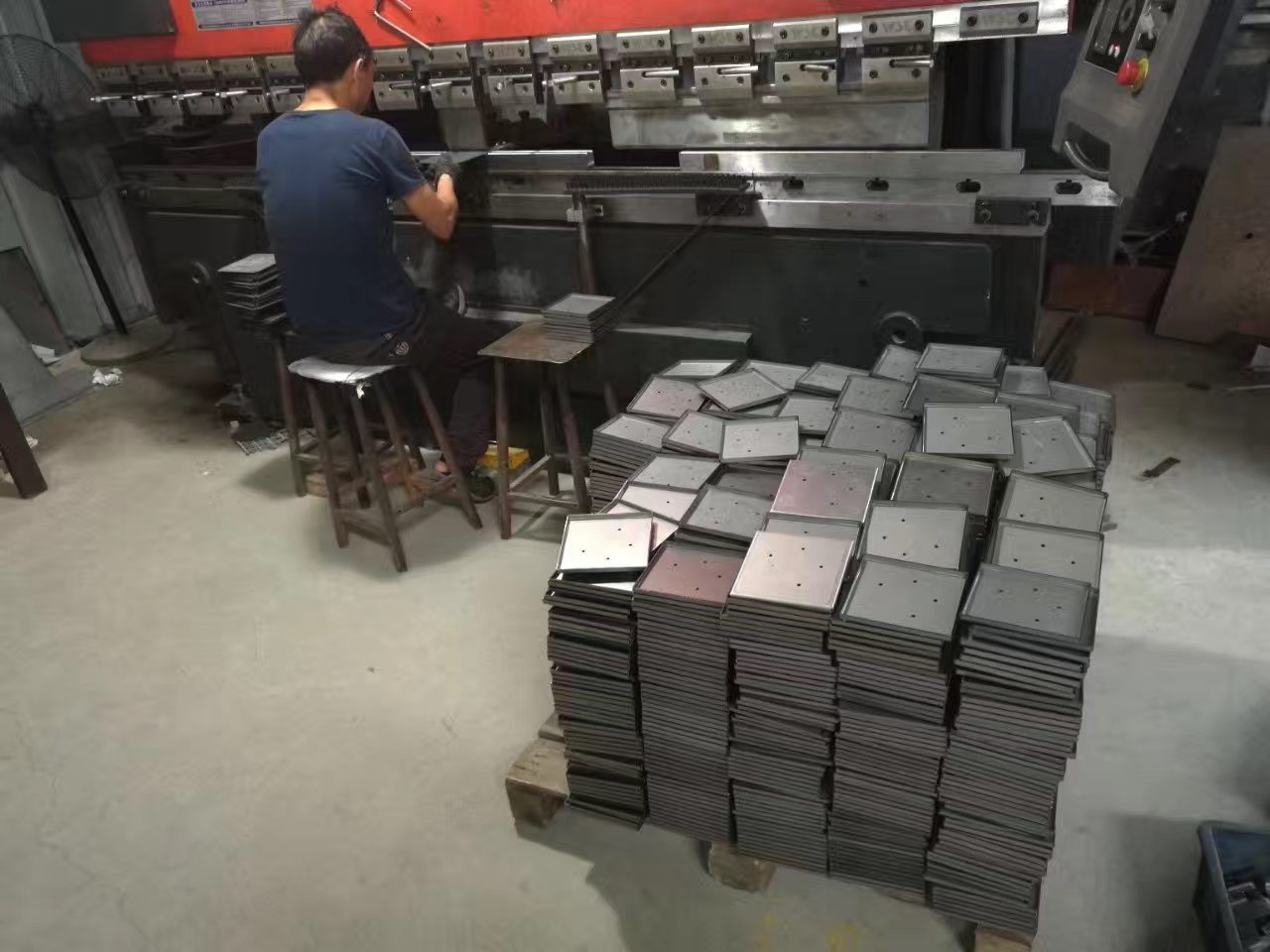
China is a different scale altogether, spread across whole provinces rather than one corridor. The useful comparison is not patriotism. It is that a US buyer who cannot be in Taichung, Dongguan and Ho Chi Minh at 2am needs someone who already knows which door to knock on — and who will say no when the door is wrong.
Vietnam stays in the network when that is the right factory. It is not a sticker you put on a China lot.
Origin is the floor
Taiwan is a separate customs territory from China. The 2018 Section 301 lists that add extra duty to China-origin goods do not apply to Taiwan-origin goods. That sentence is true and it is the most abused sentence in this trade.
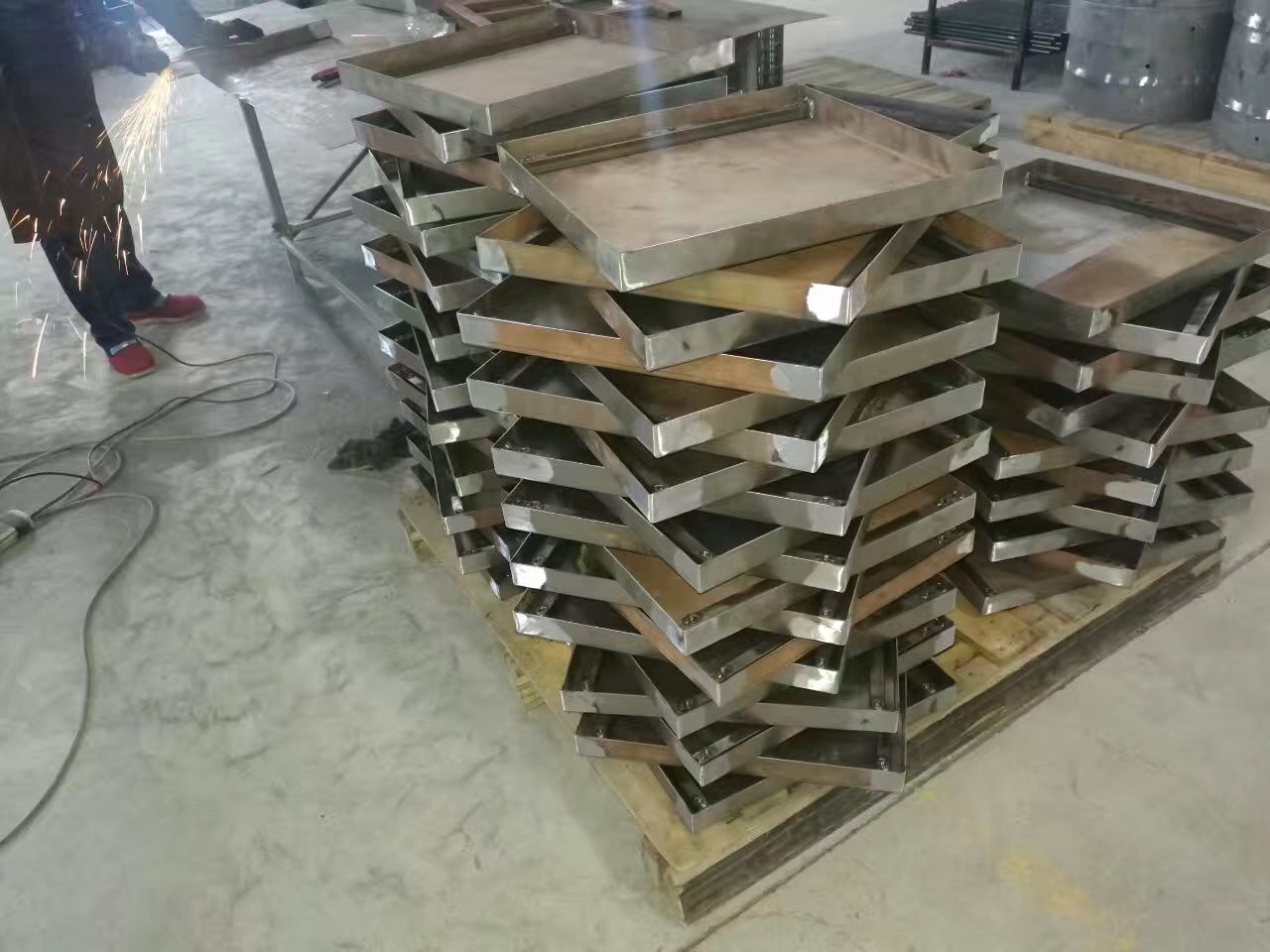
US Customs asks where the article last became a new article. A Chinese-made part stuffed in a container at Keelung is still China-origin. A Chinese-made part lightly processed or relabeled in Vietnam is the same problem with a different port.
CBP has intensified transshipment enforcement since 2024. Ginger Control notes CBP collected $117.67 million across 417 audits in FY 2025, with country-of-origin a growing share (Ginger Control). The Diplomat, citing academic work from Harvard, Duke and Academia Sinica, reported more than $8 billion of Chinese exports rerouted through Vietnam to the United States in the first three quarters of 2025 without substantial transformation (The Diplomat). The 40 percent transshipment penalty announced in 2025 (Cosmo Sourcing) rode on the reciprocal tariffs that the Supreme Court struck down in February 2026. That did not make false origin legal; a misdeclared origin is a customs violation on its own. And the incentive has not gone away: since July 24, 2026, China-origin goods carry a 12.5 percent Section 301 duty on top of the 2018 lists (Honigman).
Jack will not relabel a China lot as Taiwan or Vietnam to dodge a list. Origin is the floor. He will say which territory the tool and the lot should carry before steel is cut. If the honest origin is China, the honest conversation is the duty stack, not a sticker. What that stack costs, layer by layer, is in Taiwan vs. China tariffs for US importers.
What this is for
This note is not a claim that Taiwan is cheaper, faster, or morally different. It is a map. The shops sit in a few dozen kilometers. The mold industry is a few thousand small firms. The machine-tool corridor is walkable. A principal who speaks Mandarin on that floor and English on your phone is doing a different job from an agent who emails a list.
China and Vietnam remain in Jack's network when they are the right factory — and when they are, someone who answers to you is supposed to be on that floor too. That is line watch, not a flag.
Taiwan is a small island. The shops are close. They are not the same shop. Origin is still where the article became itself.
Straight answers
Why do people say Taiwan is a small island for tooling?
Because the machine-tool and mold trades are geographically concentrated. The Taichung 'Golden Corridor' is about 60 kilometers and holds on the order of 1,500 precision-machinery firms. Central Taiwan holds the majority of the island's machine-tool output and a large share of its mold capacity. A principal who knows those shops is working a neighborhood, not a continent.
How large is Taiwan's mold industry?
The Metal Industries Research & Development Centre, citing Ministry of Economic Affairs statistics in 2025, put the industry at about 3,200 firms and about 39,008 people, with 2024 output of NT$57.5 billion. Northern Taiwan had the most firms; central Taiwan (including Taichung) is the machine-tool and much of the mold cluster.
Does Jack own the factories in Taiwan?
No. He has his own engineers, assemblers and production people. Manufacturing also runs at qualified partner factories in Taiwan, China and Vietnam. What he owns is the engineering, the qualification, the inspection and the contract you sign.
How this note was made: researched and drafted with AI assistance, checked against the sources listed below and edited at JCH Design & Manufacturing.
Sources
- Taiwan's Machine Tool Industry
- Taichung City Government — Tool Machines and Mechanical Components
- Taichung's Precision Manufacturing Sector in 2026
- Global mold industry review, trends and outlook (MIRDC, 2025)
- Vietnam and Thailand as China Substitute Origins: Does Section 301 Exposure Actually Shift?
- Inside China’s Rerouted Supply Chains
- Is Your Vietnam Sourcing Plan Transshipment-Proof? A CBP Origin Compliance Guide
- Tools of Tenacity: Taiwan's Hand Tools Industry
- Section 122 Tariffs Expire; New Section 301 Forced-Labor Tariffs on 60 Economies — Honigman