

Tariff math: what moving one product from China to Taiwan actually saves
A single molded part, landed in the US from China and from Taiwan, line by line: the duty stack, the Merchandise Processing Fee, the harbor fee, freight and the one-time cost of moving the tool. Then the number that decides it: how much more Taiwan can charge before the move stops paying.
Filed under Taiwan, origin and tariffs
Most tariff articles stop at the rate. The decision a buyer actually has to make is about landed cost: what one unit costs on the dock in the US, from each country, once every line is added. This note works one product through both ways, with the arithmetic showing, so you can put your own numbers in.
The rates are the ones in force in late September 2026, set out in Taiwan vs. China tariffs for US importers. The product and its prices are made up for the example. Your HTS line, your quotes and your freight replace them.
The product and the assumptions
One injection-molded housing. Assume:
- Annual volume: 20,000 units, shipped by sea in four lots of 5,000.
- Base (MFN) rate: 3%. An illustration; the HTS line sets the real one.
- China status: on Section 301 List 3, so it carries 25% plus the 12.5% duty in force since July 24, 2026. The 12.5% China rate, and the rule that Taiwan's base rate plus the new duty totals 10%, are set out in the presidential memorandum of July 23, 2026 and USTR's Federal Register notice; the notice also keeps goods under the new duty subject to the other Chapter 99 duties, which include the China lists. Rates as of September 29, 2026.
- China price: $4.00 a unit FOB. Taiwan price: $4.60 FOB, 15% higher.
- Ocean freight: $3,000 a lot from either origin, held equal to keep the comparison honest.
Duty is charged on the price paid for the goods, not on freight: US law excludes the cost of international transport and insurance from the price used to value an import (19 U.S.C. 1401a). So the duty is worked on the FOB value.
One lot of 5,000, line by line
Two fees ride on almost every commercial sea entry. The Merchandise Processing Fee is 0.3464% of value, with a minimum of $33.58 and a maximum of $651.50 per formal entry; the Harbor Maintenance Fee is 0.125% of value (CBP user fee table). CBP adjusts the MPF minimum and maximum each October, so check the current figures.
| Line, per lot of 5,000 | From China | From Taiwan |
|---|---|---|
| Goods (FOB) | $20,000.00 | $23,000.00 |
| Duty | $8,100.00 (40.5%) | $2,300.00 (10%) |
| Merchandise Processing Fee | $69.28 | $79.67 |
| Harbor Maintenance Fee | $25.00 | $28.75 |
| Ocean freight | $3,000.00 | $3,000.00 |
| Landed, per lot | $31,194.28 | $28,408.42 |
| Landed, per unit | $6.24 | $5.68 |
On this product, Taiwan is 60 cents dearer at the factory gate and 56 cents cheaper on the dock. Over four lots a year that is about $11,100 a year in the buyer's favor.
The break-even: how much more Taiwan can charge
The useful number is not the saving on one set of quotes. It is how far the Taiwan price can rise before the saving is gone, because that is what you negotiate against.
With freight equal on both sides, it cancels out, and the break-even is a ratio of the two duty-and-fee multipliers. With a 3% base rate and both fees (0.4714% together):
| China status of the product | China all-in rate | Taiwan all-in rate | Taiwan can price up to |
|---|---|---|---|
| List 1–3 | 40.5% + fees | 10% + fees | about 27.6% above the China price |
| List 4A | 23% + fees | 10% + fees | about 11.8% above |
| On no China list | 15.5% + fees | 10% + fees | about 5.0% above |
The arithmetic: divide (1 + China rate + fees) by (1 + Taiwan rate + fees). For List 1–3 that is 1.4097 ÷ 1.1047 = 1.276.
Two things move this table. Up to a 10% base rate, a higher base rate widens the gap, because Taiwan's total stays capped at 10% while China's climbs; above 10%, Taiwan simply pays the base rate and the gap narrows slowly. And a product covered by Section 232 (steel, aluminum and copper derivatives, among others) sits outside the July 2026 duty for both countries, so only the China list duty is at stake.
The one-time cost of moving
A move is not free, and the saving has to pay for it. Typical one-time costs:
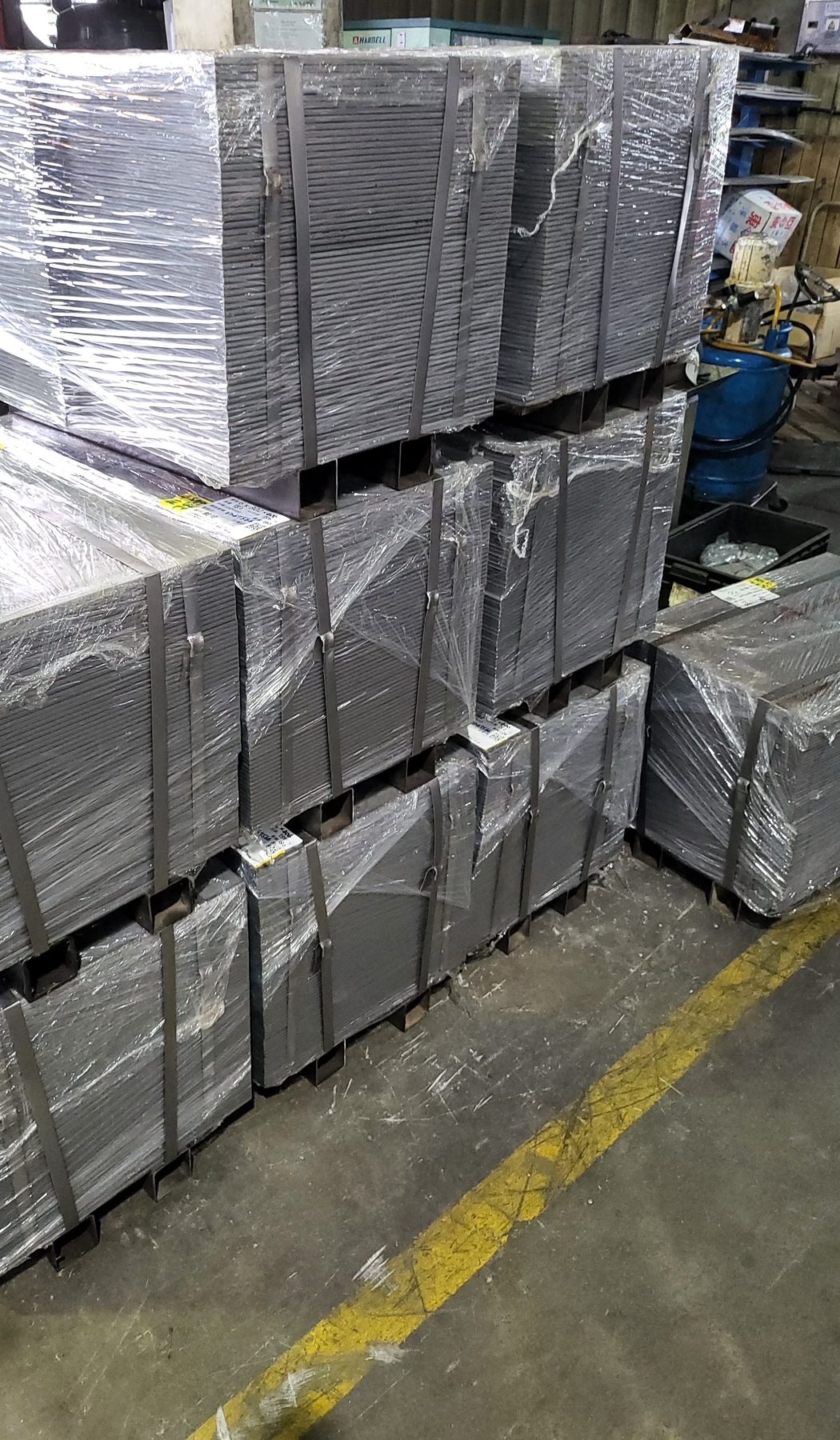
- The tool. Either recover and re-qualify the one you own, or cut a new one. Published ranges for a new production tool run from about $8,000–$25,000 for a US P20 tool upward, less in China (what an injection mold really costs).
- First-article approval and a pilot lot. Engineering time, samples and a lot run small on purpose.
- Your own time. Documents, the customs broker, the change to your item master.
Say the move costs $15,000 all in (an assumption for the example). At $11,100 a year, it pays back in about 16 months. At twice the volume, in about 8.
Two traps in the arithmetic
The mold is part of the customs value. If you own the mold and supply it to the Taiwan factory free of charge, US law treats it as an "assist": tools, dies and molds supplied by the buyer are added, apportioned, to the value of the imported goods (19 U.S.C. 1401a). At a 10% rate on a $15,000 tool spread over its production, the extra duty is small, but it has to be declared. Your broker will ask how to apportion it.
Exclusions and dates. 178 product exclusions from the China lists run through November 10, 2026; unless they are extended, the full list duty returns for entries on or after that date (Great Lakes Customs Law). If your China number assumes an exclusion, run it again without one.
How to use this for your product
Put five numbers into the table: your HTS base rate, your China list status, the two FOB quotes, and your freight per lot. If the Taiwan quote sits below the break-even line with room to spare, the move is worth pricing properly. If it sits above, stay put and spend the effort on the China program.
One rule makes every version of this honest: the origin on the entry has to match the floor. The saving only exists if the part is really made in Taiwan; the steps for that are in how to move production from China to Taiwan. Jack runs these comparisons as landed cost against landed cost, with the tool work in the same spreadsheet as the duty.
The rate is not the answer. The landed cost is, and the break-even price is the number you negotiate with.
Straight answers
How much does moving production from China to Taiwan save on tariffs?
It depends on the product's HTS line and China list status. In a worked example with a 3% base rate and a Section 301 List 3 product, China-origin goods pay 40.5% plus fees and Taiwan-origin goods pay 10% plus fees. A part priced at $4.00 from China and $4.60 from Taiwan lands at about $6.24 and $5.68 a unit, saving about $11,100 a year on 20,000 units.
How much more can a Taiwan supplier charge before moving from China stops saving money?
With freight equal on both sides and a 3% base rate, the Taiwan price can be about 27.6% above the China price for a List 1–3 product, about 11.8% above for a List 4A product, and about 5% above for a product on no China list, before landed costs are equal. The break-even is (1 + China rate + fees) divided by (1 + Taiwan rate + fees).
Is US import duty charged on the freight cost?
Generally no. Under 19 U.S.C. 1401a the price used for customs value excludes the costs of international transportation and insurance, so duty is normally worked on the FOB value of the goods. The Merchandise Processing Fee (0.3464%, with a per-entry minimum and maximum) and the Harbor Maintenance Fee (0.125%, on sea freight) are also charged on value.
Does a mold I own and send to a factory affect customs value?
Yes. Molds, tools and dies supplied by the buyer free of charge or at reduced cost are 'assists' under 19 U.S.C. 1401a, and their value is added, apportioned, to the value of the imported goods. The duty effect is usually small, but it has to be declared; a customs broker will ask how to apportion it.
What one-time costs come with moving a product from China to Taiwan?
Mainly the tool (recovering and re-qualifying an existing mold, or cutting a new one), first-article approval and a pilot lot, and the internal time for documents, the customs broker and system changes. The annual duty saving has to pay these back; in the worked example, a $15,000 move pays back in about 16 months.
How this note was made: researched and drafted with AI assistance, checked against the sources listed below and edited at JCH Design & Manufacturing.
Sources
- Actions by the United States in the Section 301 Investigations of 60 Economies (Presidential Memorandum, July 23, 2026) — The White House
- Notice of Action in the Section 301 Forced-Labor Investigations (Federal Register notice, July 23, 2026) — USTR
- 19 U.S.C. 1401a — Value (transaction value, assists) — Cornell LII
- User Fee Table (MPF, HMF) — U.S. Customs and Border Protection
- Section 301 China Exclusions: 178 Still Active — Great Lakes Customs Law
- Section 122 Tariffs Expire; New Section 301 Forced-Labor Tariffs on 60 Economies — Honigman
- Forced Labor, Meet Section 301 — Troutman
- 2026 Injection Molding Pricing Report — Jaycon