

How to compare injection mold quotes: why one part quotes $8,000 and $30,000
A mold quote prices a set of assumptions: shot life, steel, cavities, trial rounds and who owns the tool. How to read what each quote assumes, where the money really goes, and the five lines that make competing quotes comparable.
Filed under Molds and tooling
Two quotes, same file, three times apart
Somebody sends the same STEP file to five suppliers. Back come $8,000, $14,000, $22,000, and two who want a call first. The instinct is that the cheap one is honest and the dear ones are padding.
Usually neither is true. One toolmaking write-up frames it well: two molds for similar parts, one quoted at $30,000 and the other at $90,000, and both can be reasonable depending on specifications the buyer did not realize mattered (Injection Mold Tooling Costs).
That is the thing most buyers get wrong. A mold quote is not a price for an object. It is a price for a set of assumptions — how many shots, how hard the steel, how many cavities, how many trial rounds are included, what happens when T1 comes back out of tolerance, and who keeps the tool afterwards. Change one assumption and the number moves by half. A sourcing guide puts it bluntly: a quote that says "mold: $8,000" hides half a dozen decisions — steel grade, cavity count, gate type, texture, shot life, and who owns the tool afterwards (Woosourcing).
Ranges are a sanity check, not a budget
Typical tool prices by class, US against China, are in the companion note, what an injection mold really costs. This note is about the quotes themselves. Use any published range only as a sanity check: if you have been quoted $4,000 for a 4-cavity hardened tool with two slides, the number is not a bargain, it is a message about scope.
Where the money actually goes
Here is the correction that saves the most grief. Buyers assume they are buying steel, so they push on steel to get the price down.
On one published breakdown, labor accounts for 40–50% of total mold cost, and raw steel material only 15–25% (ZetarMold). You are paying for machining hours, bench fitting, polishing and the engineering judgment behind the cooling and venting layout; the photographs of Jack's molds and tooling show what those hours produce. Downgrading the steel takes a bite out of the smaller number and costs you shot life on the bigger one.
This is why cheap quotes tend to fail quietly rather than loudly. A low quote often excludes robust cooling and venting or process validation — shortcuts that show up later as unstable cycle time, higher scrap, or frequent maintenance (PlasticMoulds). And piece prices that look competitive can hide tooling overruns and cycle-time penalties that erode margin by 15–30% (ZetarMold).
Steel grade is a shot-count decision, not a quality decision
Aluminum and pre-hardened P20 are built for roughly 1,000 to 50,000 cycles, machine faster, and can go from design to steel in lead times as short as 15 days. Hardened tool steels — H13, S136 — are what you need for 100,000+ cycles and for abrasive materials such as glass-filled resins (RapidDirect).
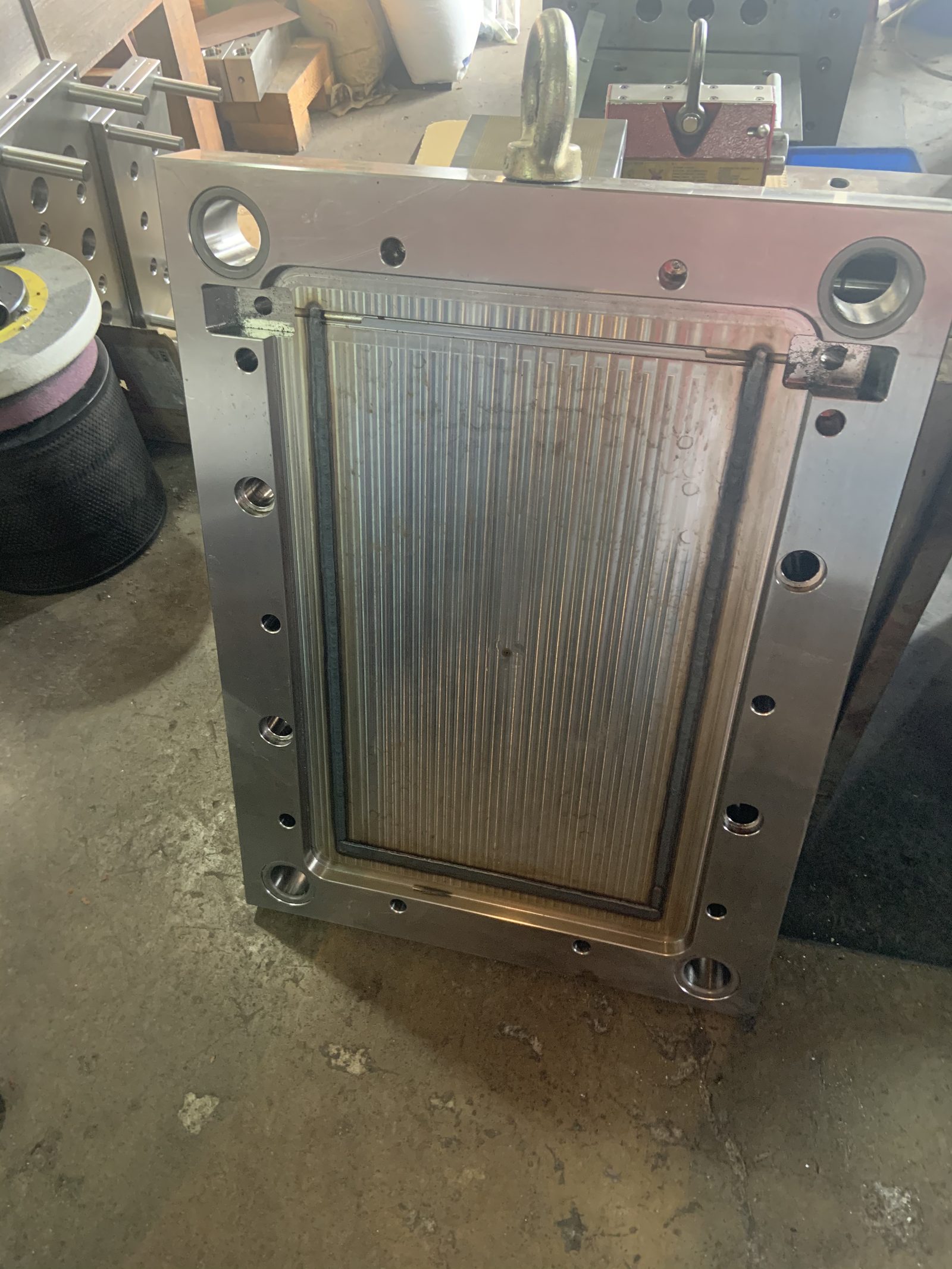
Upgrading from P20 to H13 adds 25–40% to mold cost (ZetarMold).
So the honest question is not "which steel is best". It is: what is my total lifetime volume, and what resin am I running? If you are molding 20,000 unfilled ABS parts over the life of the product, hardened steel is money you will not get back. If you are running 30% glass-filled nylon, a P20 tool priced for 50,000 shots will not hold its gate detail, and the saving is borrowed against your first correction loop.
Cavity count: nobody agrees, and that is informative
Published figures for the cost of one more cavity range from +15–25% per cavity, with a diminishing premium (Injection Molding Index), to 15–30% on simpler parts (Komaspec), to 30–50% (ZetarMold).
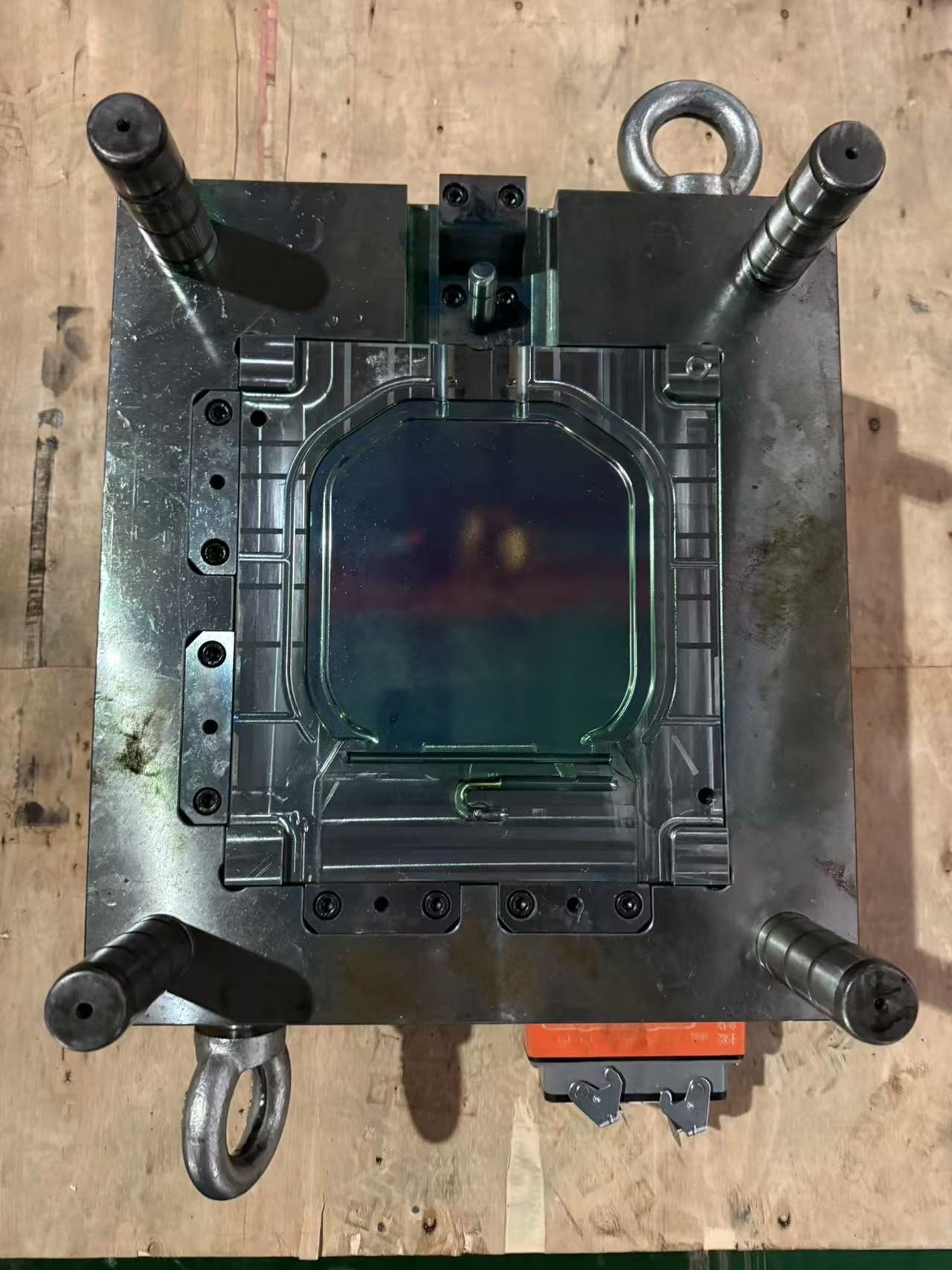
They disagree because the answer depends entirely on the part. What all three agree on is that it is not linear: the premium per cavity shrinks as cavities are added, so a four-cavity tool costs well under four times a single, and it cuts your per-part price at volume.
What the tables do not tell you is that every cavity has to produce a part inside the same tolerance band, or you have quietly bought four slightly different part numbers. Cavity count is a decision about annual volume first and cost second. Decide the volume, then let the cavitation follow.
Mechanisms are priced individually — ask for them line by line
One source publishes per-feature adders, and they are worth knowing before you draw an undercut you do not need:
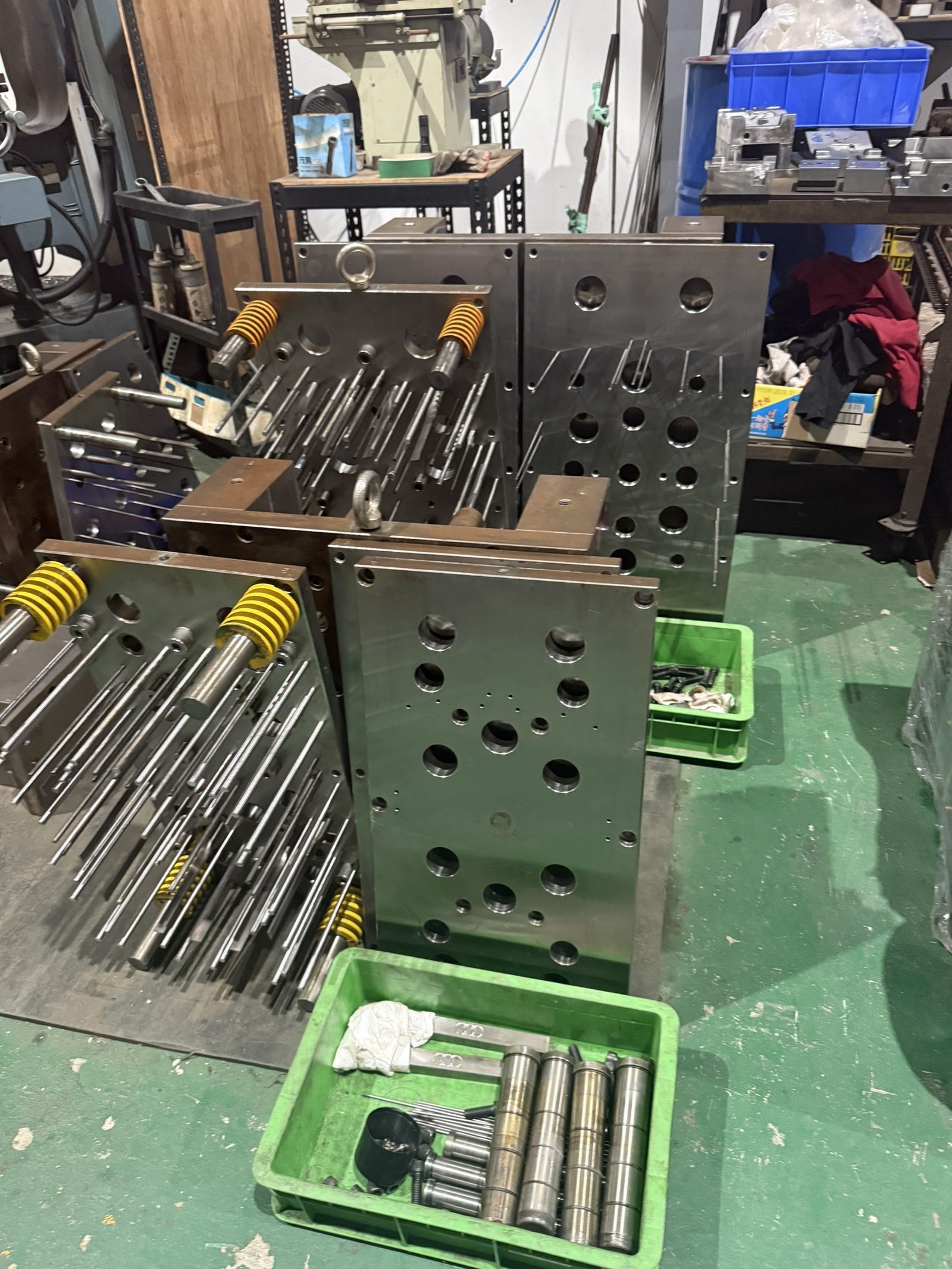
- Simple cam-actuated slide: +$2,000–5,000 each
- Complex or hydraulic slide: +$5,000–15,000 each
- Lifter for an internal undercut: +$1,500–4,000 each
- Unscrewing mechanism: +$5,000–15,000 (and it adds cycle time)
- Collapsing core: +$8,000–25,000
If a feature on your part is costing $12,000 of tooling and two seconds of cycle, that is worth a design review before anybody cuts steel. Removing undercuts, specifying tight tolerance only where it is functional, and asking for high-grade texture only on visible surfaces are the cheapest cost reductions available (HLH).
The five lines that make quotes comparable
A mold quote you can trust states the cavity count, the tooling material and expected life, how many sample rounds are included, and who owns the tool. If a supplier cannot explain those without hedging, treat the attractive number as a red flag rather than a bargain (Maple Sourcing).
Ask every supplier to break the quote into three lines: the one-time mold cost with material, cavity count and expected mold life stated; the per-part price quoted at three volumes (pilot, launch, repeat); and extras, specifically whether sampling, mold corrections and texture are included or billed separately.
That last one is where budgets go. Correction loops after T1 — who pays, how many are included — are frequently left undefined in the cheapest quote (Super-Ingenuity).
Who owns the tool
It appears in the same breath as steel grade and shot life in both sourcing guides above, and for the same reason: it is a term of the deal, and it is only a term of the deal if it is written down.
Get it stated in the quote, in writing, next to the cavity count. Not "of course it's yours" on a call. If the tool is yours, then where it is stored, who maintains it, what condition it is returned in and at what shot count are all worth a sentence each. A supplier who has thought about tool life has thought about this too. The ranges by mold class, and what a custody record should say, are in the companion note on what an injection mold really costs.
Do not tool at all if the volume is not there
The break-even against 3D printing or CNC machining is typically 500 to 5,000 units, depending on geometry and material (ZetarMold). Below that band, a mold is a way of turning cash into a steel object that sits on a shelf. Jack asks for the volume before he talks about steel; the programs Jack has tooled and run show the range.
What to send if you want a number you can hold someone to
Across 190 multi-quote RFQs, the drivers of quote variation were geometry complexity, material grade, cavity count, surface finish, order volume and certification requirements (Haizol). Every one of those is something you control by what you put in the RFQ.
Send a 3D file (STEP or IGES), key dimensions or a 2D drawing, the resin including additives (glass-filled, flame retardant, UV), annual volume, tolerance zones, cosmetic requirements including which surface is the A-surface, and any assembly, packaging and inspection standards (PlasticMoulds). Complete inputs reduce re-quoting after sampling — and they mean the spread between your five quotes is telling you something about the suppliers rather than about your own brief. That brief is where injection mold tooling engineering starts.
A cheap mold is not a bad mold. It is a mold built for a volume, and the only question that matters is whether that volume is yours.
Straight answers
Is the cheapest injection mold quote a bad sign?
Not necessarily, but it usually rests on different assumptions. A low quote often leaves out robust cooling and venting or process validation, which shows up later as unstable cycle time, higher scrap and more maintenance. Ask every supplier to state the cavity count, the steel and its expected life, how many sample rounds are included and who owns the tool, then compare like with like.
Why do injection mold quotes for the same part vary so much?
Because a mold quote prices a set of assumptions, not an object. Suppliers make different assumptions about steel grade, expected shot life, cavity count, cooling and venting design, gate type, texture, how many sample and correction rounds are included, and validation scope. Two quotes for similar parts can legitimately sit at $30,000 and $90,000. A low quote often omits robust cooling, venting or process validation, which shows up later as unstable cycle time, higher scrap and more maintenance.
How much does each extra cavity add to mold cost?
Published figures range from +15–25% per cavity with a diminishing premium, to 15–30% on simpler parts, to 30–50%. The spread exists because the answer depends on part geometry. The useful point is that the premium is not linear — a four-cavity tool costs well under four times a single-cavity tool, and it reduces per-part cost at volume. Decide your annual volume first and let cavitation follow from it.
What should a trustworthy injection mold quote state?
It should state the cavity count, the tooling material and expected mold life in shots, how many sample rounds are included, and who owns the tool. Ask for the quote broken into three lines: one-time mold cost, per-part price at three volumes (pilot, launch, repeat), and extras — specifically whether sampling, mold corrections and texture are included or billed separately. If a supplier cannot explain those points without hedging, treat the attractive number as a warning rather than a bargain.
At what volume does injection molding beat 3D printing or CNC?
The break-even is typically 500 to 5,000 units, depending on part geometry and material. Below that band the tooling investment generally will not pay back, and machining or additive manufacturing is the cheaper route. Above it, the low per-part cost of molding amortizes the tool quickly.
What information do I need to send to get an accurate mold quote?
Send a 3D file (STEP or IGES), key dimensions or a 2D drawing, the resin including additives such as glass fill, flame retardant or UV stabilizer, annual volume, tolerance zones, cosmetic requirements including which face is the A-surface, and any assembly, packaging and inspection standards. Incomplete inputs are the main reason quotes get revised after sampling, and they make the spread between competing quotes meaningless.
How this note was made: researched and drafted with AI assistance, checked against the sources listed below and edited at JCH Design & Manufacturing.
Sources
- Injection Mold Price List 2026: Full Cost Breakdown — ZetarMold
- Injection Molding Cost Calculator — ZetarMold
- Injection Mold Tooling Costs: Factors That Determine Pricing
- Injection Molding Cost: The Complete Buyer Guide 2026
- Injection Molding Quote Breakdown: Tooling, Cycle Time, Materials — RapidDirect
- China Injection Molding: Costs, Tooling, and Timelines — Maple Sourcing
- Injection Mold Tooling Costs in China: 2026 Buyer's Guide — Woosourcing
- Injection Molding Tooling Cost From China: Real Factory Price Data — Haizol
- Injection Mold Tooling: Types, Costs & Lead Times — Komaspec
- How Much Does Injection Molding Cost? Production Cost Guide — HLH
- Injection Mold Cost Guide: Tooling Price, Maintenance & Production Risks — Super-Ingenuity
- Injection Molding Cost Guide: What Drives Your Quote — PlastikCity