


For inventors, dreamers and first-time product makers
You had the idea
at 2 a.m. We help you make it real: sketch, prototype, mold, packaged product, warehouse and market.
Bring a sketch, a photo or a paragraph. Jack Cheng reads it himself, signs your NDA before the details, and tells you the honest next step, even when that step is a 3D print and not a steel mold.
- NDA before details
- Tooling ownership is set out in your written agreement; you own tooling you pay for in full.
- First call and quote free
- A manufacturer, not an invention promoter
The short answer
How does an idea become a product you can sell?
In three phases. First, talk it through under an NDA. Second, make it real: CAD a factory can make, a prototype, a mold, a first production run, retail packaging and inspection. Third, ship it to market: freight and customs, US warehousing, and delivery to Amazon, stores or your door. JCH Design & Manufacturing, led by Jack Cheng, runs all three for inventors from Merritt Island, Florida, with vetted partner factories. It manufactures products; it does not file patents or promise sales or licensing.
- Stage 01
Talk, under NDA
A free call with Jack. He signs your NDA, asks what it has to do and what it should cost, and writes down the cheapest honest next step.
- Stages 02 to 07
Make it real
CAD a factory can make, a prototype you can hold, a mold (tooling ownership is set out in your written agreement; you own tooling you pay for in full), a first run measured against your drawing, retail packaging, and inspection before anything ships.
- Stages 08 to 10
Ship it to market
Freight and customs, then leased US warehouse space for your inventory, and delivery in batches to Amazon, a 3PL, retail distribution centers or your own door.
If this is you
Why do so many good ideas end up in a drawer?
Not because they are bad ideas. Most stall because step one is invisible. Nobody tells you who to call, what a factory needs, what it should cost or how to keep the idea safe, so the sketch goes in the drawer and the years go by.
Maybe you have priced it once and the number scared you. Maybe you have heard the stories about stolen designs and invention companies that took thousands and delivered a brochure. Maybe you just feel like you don't know the words.
Asking is the smart move. Every name below was told no first.
You are in good company
Who else was told no?
Products you have used were once someone's stuck idea. Not a promise of riches. A reminder that “no” is the normal middle of the story.
Three more who kept going
- Post-it Notes. 3M's weak glue waited about five years for a use. The first test market in 1977 disappointed. Free samples in Boise in 1978 changed everything. Source
- Margaret Knight, paper bags. A machinist copied her flat-bottom bag machine and patented it first. She won in 1871 with her dated drawings and notebooks. Keep your records. Source
- Bette Nesmith Graham, Liquid Paper. A typist mixing paint in her kitchen blender in 1956. About 100 bottles a month at first; 25 million a year by 1975. Source
JCH had no part in these stories. Facts are from the linked sources.
Feeling lost is normal
Afraid to start? Here is what each fear actually needs.
The fog lifts one step at a time. You only ever commit to the next one.
“I don't know what step one is.”
Step one is a conversation, not a drawing. A paragraph, a photo or a napkin sketch is enough to start.
What the first call covers“Someone will steal it.”
NDA before the details. A local-language NNN agreement before a factory sees your CAD. Ownership of the tool and the files, in writing.
NDAs and NNN agreements“I'll get scammed.”
JCH makes products. It does not charge to “evaluate” ideas, submit them to companies or promise sales. You pay for parts, tools and work you can see.
How to spot a scam“It will cost a fortune up front.”
Each stage is priced on its own and you stop whenever you want. Often the next step is a 3D print, not a steel mold.
Try the mold cost estimator“I'll look foolish. I don't know the words.”
You don't need them. MOQ, DFM, NNN and AQL are Jack's job. Asking is the smart move.
The plain-English glossary“I'm too small for a factory to care.”
No job is too small. First runs can start in the hundreds, on a tool sized to what you can sell.
What a first run looks like
Where are you right now?
Start from wherever you are. You only commit to the next step.
From idea to market
What are the steps to bring a product to market?
Ten stages, one person holding your program at every one. Each stage is priced and agreed on its own, and you can stop after any of them and take your files with you.
- Stage 01
Idea and brief
A call with Jack. You come away with a written brief: what it is made of, how it is made, and the cheapest honest next step.
Illustration - Stage 02
Drawing and CAD
Sketch to manufacturable CAD, with design-for-manufacture fixes before the tool. 1
Illustration - Stage 03
Prototype
3D-printed for fit and feel, CNC-machined for strength, or molded from a small tool.
Illustration - Stage 04
Tooling
The mold is quoted against your drawing and states who owns it. 2
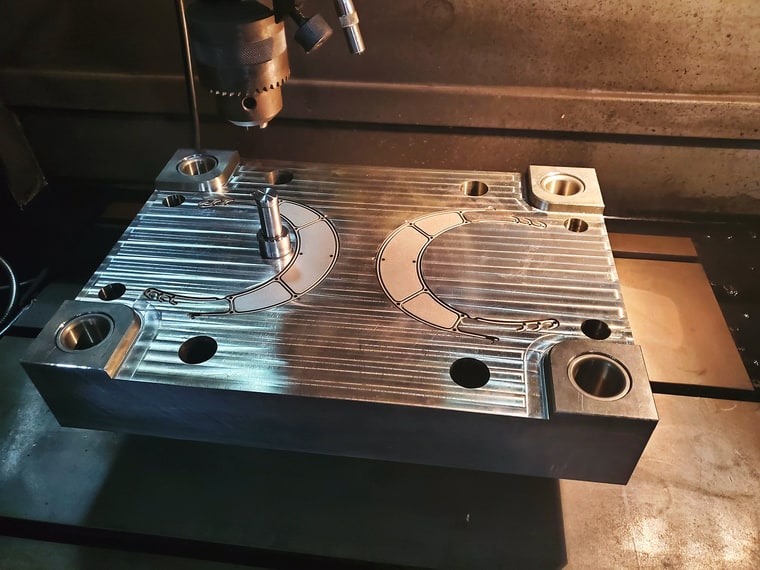
Partner factory - Stage 05
First production
The first article is measured against your drawing and you see the numbers before volume is released. Minimums depend on the part and the tool; Jack tells you before you commit.
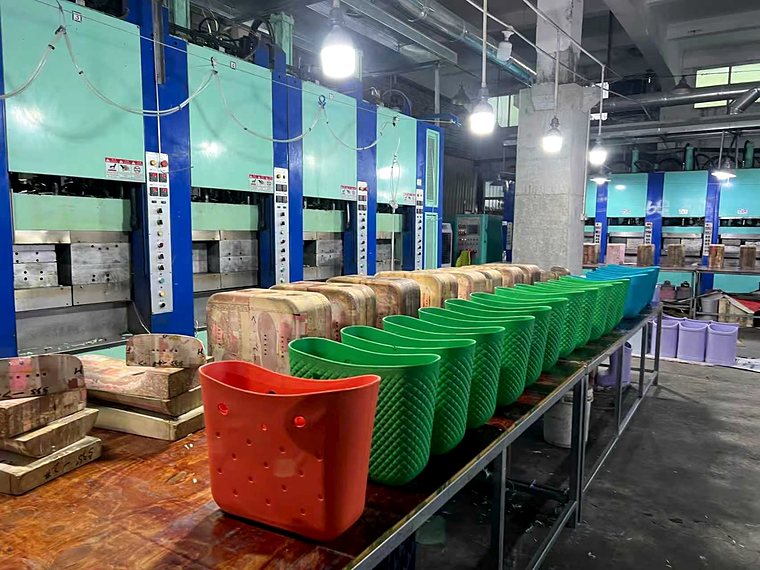
Partner factory - Stage 06
Packaging
Retail packaging made with the product. Packaging samples can sometimes be rushed; ask Jack about timing. 3
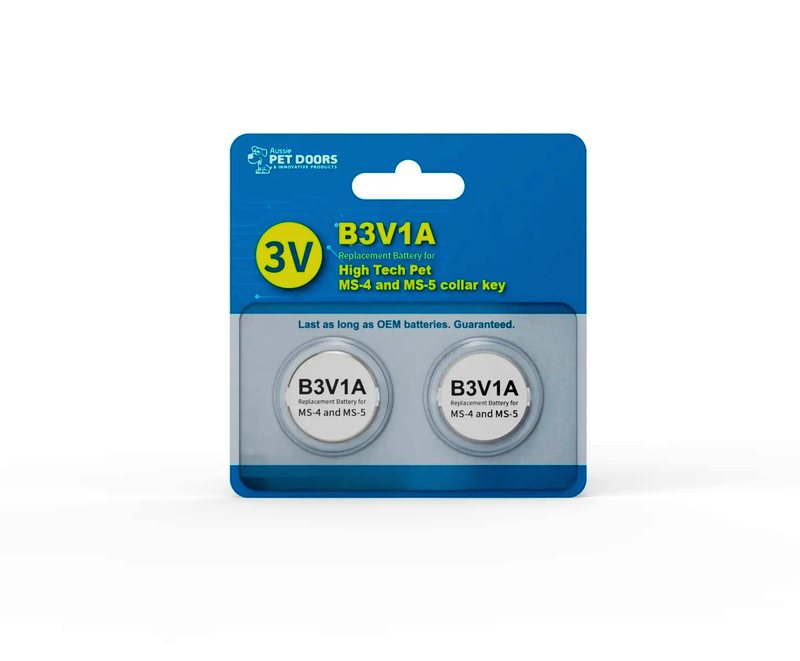
A JCH packaging program - Stage 07
Inspection
Jack's inspectors check incoming material, the running line and the packed cartons. The cheap place to catch a problem is before the container.
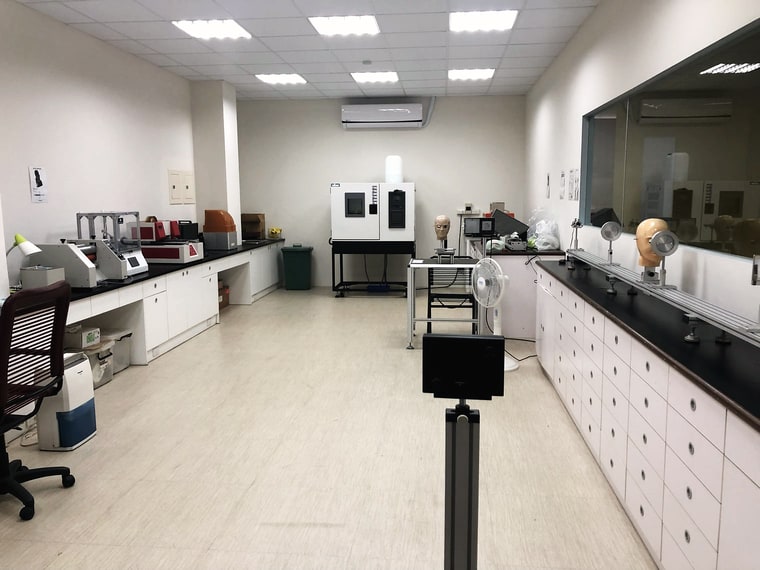
The measuring room - Stage 08
Freight and US delivery
Booked, documented and entered by a licensed US customs broker, then delivered to your dock, a 3PL or Amazon. 4
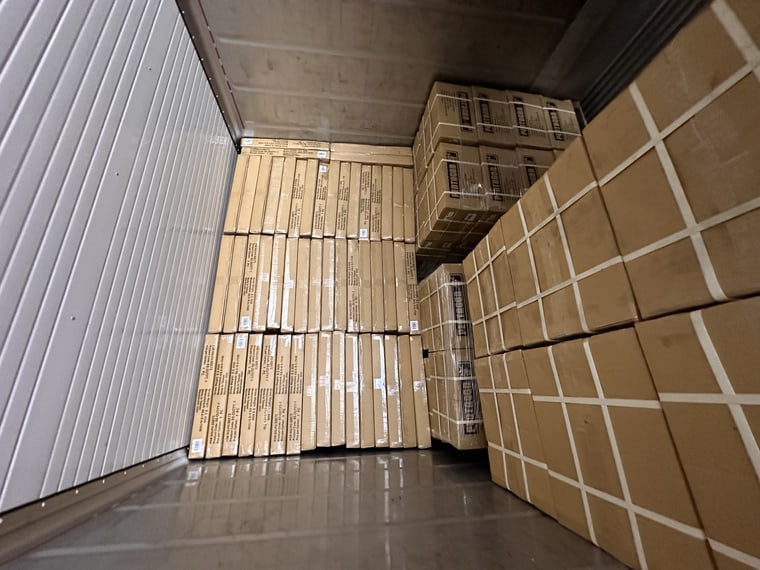
Loaded at origin - Stage 09
Warehouse and fulfillment
Your container lands in commercially leased US warehouse space instead of on your driveway. Inventory is counted in, held, and released in batches: cartons to you, pallets to a 3PL, a shipment to Amazon.
Illustration - Stage 10
To market
Units go out labeled and packed to each channel's rules: Amazon labels and polybags, a retailer's carton and barcode spec, or ready-to-ship units for your own web store. Reorders run from the same tool and the same files.
Illustration


| Stage | Typical time | Cost |
|---|---|---|
| 01 Idea and brief | One conversation | Free |
| 02 Drawing and CAD | About set per project | Varies by product |
| 03 Prototype | About set per project | Tens to hundreds of dollars a part |
| 04 Tooling | Typically several weeks to first trial shots, depending on part complexity; Jack confirms timing in your quote. | From about Quoted per project |
| 05 First production | Simple parts move fast; Jack confirms timing in your quote. | Sized to your first order |
| 06 Packaging | Alongside production | Box, blister, clamshell |
| 07 Inspection | Every lot | Before it ships |
| 08 Freight and US delivery | Sea freight usually takes a few weeks; transit time is confirmed per shipment. | Quoted with the order |
| 09 Warehouse and fulfillment | As long as you need | Quoted with the program |
| 10 To market | Every reorder | Your channel, your call |
The day it becomes real
What does it feel like to hold the first one?
There is a day when the thing that lived in your head for years sits in your hands: the first molded sample, shot from a mold you own, ready to be measured against your drawing.
Getting there is not luck. It is a sequence of small, priced, written decisions, and you make every one.
What changes with quantity
How much does it cost to make my product?
It depends most on how many you will sell in the first year. The mold is the big decision, and it should match your first order, not your dream. Published 2026 US tool ranges below; your quote is made against your drawing.
Aluminum prototype tool or a machined batch.
Aluminum tools are commonly rated for 10,000 shots or more.2 A steel tool rarely pays for itself here.
Low-volume steel tool (P20, 1–2 cavities).
Piece price drops; the tool is built to run again. This is where most first products land.
Mid-volume steel tool (P20 or H13, 2–8 cavities).
More cavities, harder steel, lower piece price. Plan it once the product has proved itself.
Ranges to check quotes against, not a quote. Try your own part in the free mold cost estimator or read how mold quotes work.
Said plainly
How do I tell a real manufacturer from an invention scam?
A manufacturer charges for parts, tools and work you can see, and tells you which factory and country each step runs in. A promoter charges up front to “evaluate” or “submit” your idea and hints at licensing deals. Federal law lets you demand a promoter's written success numbers before you sign.
- Quoted per project+taken from tens of thousands of inventors by invention-promotion firms, found in one FTC sweep in 1997FTC source
- 17,000+FTC source
- 5 yearsof written success numbers: what federal law entitles you to ask any invention promoter for before you signFTC source
What JCH does
- Engineering and CAD a factory can make
- Prototypes: printed, machined or molded
- Tooling, with ownership stated in the quote
- Production at partner factories Jack has qualified through vetted partner factories, and you are told which
- Patents and trademarks: we line up a USPTO-registered attorney and hand them the drawings the filing needs
- Retail packaging, barcodes, inspection, freight, US warehousing and delivery
- Prices in writing, stage by stage
What we never do
- Charge you to “evaluate” your idea
- Promise sales, licensing, store placement or profit
- Submit your idea to companies
- Pretend to be your lawyer: patent and trademark filings are signed by a registered attorney
- Hold your files or your tool hostage
Where first products go wrong
What goes wrong with first products, and what does Jack do instead?
“The factory kept my mold.”
The quote states who owns the tool. It carries a nameplate and a custody record, and it is ready to leave if you want it moved.
Tool ownership, in full“The sample was perfect. Lot three was not.”
Jack's people watch the line: incoming resin and steel, the running process, the packed cartons. Not just a photo of a golden sample.
How line watch works“My CAD file can't be molded.”
Design for manufacture happens before the steel: wall thickness, draft, undercuts, the slide that doubles the price. It is cheaper to fix on screen.
Drawing and CAD, step by step“They quoted Quoted per projectfor my first 300 units.”
If a steel tool will not pay for itself at your volume yet, Jack says so and suggests the cheaper first step: a print, a machined batch or an aluminum tool.
Try the mold cost estimator“Someone will copy it.”
NDA before the details. For overseas factories, lawyers recommend an NNN agreement in the local language. Talk to a patent attorney about what to file and when.
NDAs and NNN agreements“Nobody answers.”
Jack reads every inquiry himself and replies within 1 business day, usually by phone. That is a goal, not a contract, and he has kept it.
Book 15 minutes with Jack
Patents, trademarks and the paperwork
Can you help with patents and trademarks?
Yes, as the coordinator. Jack lines up a USPTO-registered patent attorney or agent and a trademark attorney, and JCH supplies the CAD, drawings and prototype photos they need. The attorney files and advises; JCH keeps it moving alongside the product. Government fees are below; attorney fees are separate.
| What | Who does it | Official fee | JCH's part |
|---|---|---|---|
| Provisional patent application | A USPTO-registered attorney or agent (or you) | Quoted per projecticro / Quoted per projectsmall / Quoted per project | We supply the CAD, drawings and prototype photos |
| Utility patent application | A USPTO-registered attorney or agent | Quoted per projecticro / Quoted per projectsmall / Quoted per projectto file | We line up the practitioner and keep the drawings current |
| Trademark (name or logo) | A trademark attorney (or you) | Quoted per projectper class | We coordinate it with your packaging artwork |
| UPC barcodes | GS1 US, the official source | 10 UPCs for Quoted per projectthen Quoted per projecta year | The factory prints and applies them |
| NDA and NNN agreement | Jack, before any details are shared | Free | Signed before your design is shown to anyone |
Check that any practitioner is registered on the USPTO's scam-prevention page. Fees: USPTO fee schedule, micro entity.
Patents
We send the registered attorney or agent the CAD, drawings and prototype photos the application needs. They file it; we keep it moving.
Trademarks
Your brand name and logo, searched and filed by a trademark attorney. A registered or pending US trademark is what Amazon Brand Registry asks for.
NDA and NNN
Signed before you share details, with a local-language NNN agreement for overseas factories.
How we protect your designBarcodes and labels
UPC barcodes, warning and country-of-origin labels, and Amazon labels applied at the factory, so units arrive ready to sell.
Testing and certificates
Where a buyer requires ISO, UL or ISTA, Jack matches the program to partner facilities and accredited third-party labs that hold those certifications. JCH itself holds no certification.
What our partners holdFreight and customs
Booking, documents, customs entry by a licensed US broker, and delivery.
Freight, step by step
After the factory
Can you warehouse my product and get it to market?
Yes. JCH brings the container through customs with a licensed US broker, holds your inventory in commercially leased US warehouse space, and releases it in batches: to Amazon, to a 3PL for your web store, to a retailer's distribution center or to your own door. You decide where every carton goes.
Warehoused in the US
Your container lands in commercially leased US warehouse space, not on your driveway. It is counted in, held, and released when you need it.
Amazon and online
Units arrive bagged and labeled to Amazon's rules, because Amazon stopped prepping and labeling for sellers on January 1, 2026. Or they go to your 3PL for your own web store.
Retail stores
Retail-ready packaging, barcodes and master cartons built to the buyer's spec, shipped to their distribution center.
Straight to you
Cartons to your garage, a pallet to your shop, or a few hundred units to a trade show. Reorders run from the same tool and the same files.
We get it there, ready to sell. Selling it is yours, and we will never pretend otherwise.
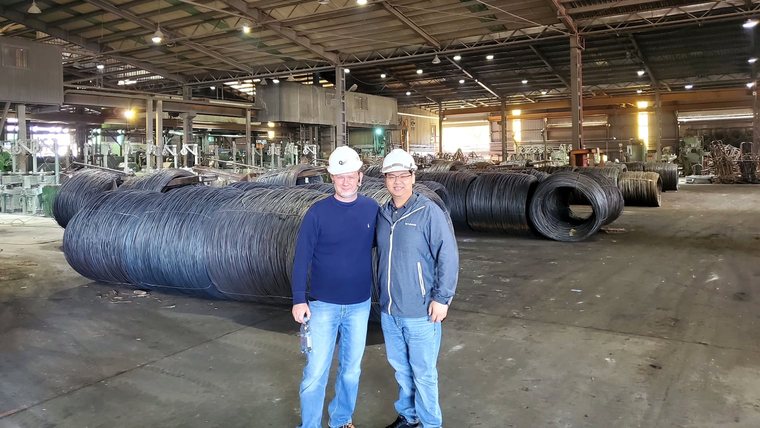
Your guide
Who will I actually be working with?
Jack Cheng has spent fifteen years between US buyers and overseas partner factories. He speaks English with you and Mandarin on the floor, about the same drawing. He works through his engineering team and a vetted partner network, and he qualifies the factories he uses. He does not own the plants, and he will tell you so.
No job is too small. If someone else is better placed to make your product, he will tell you who.
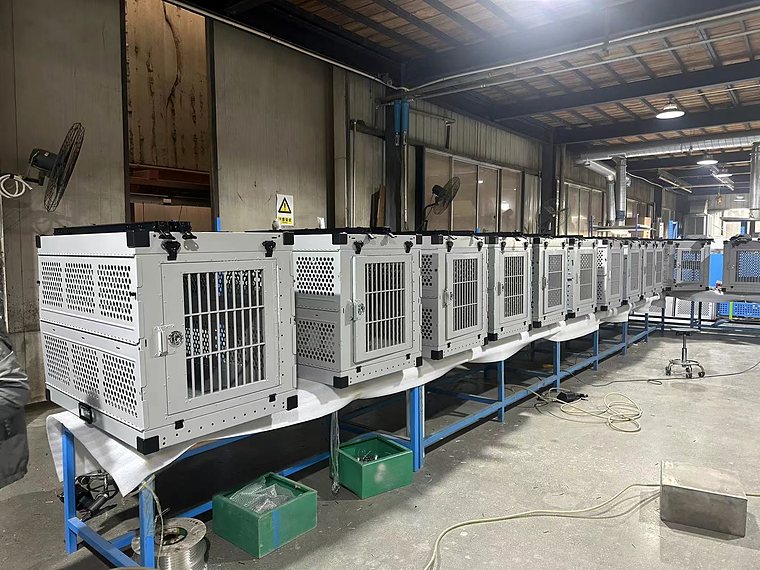
The real floor
Photographs from the factories Jack works with.

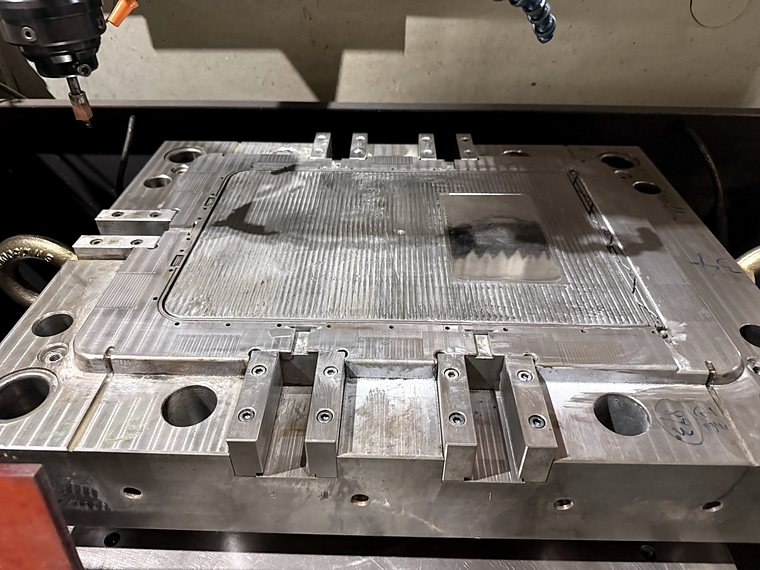

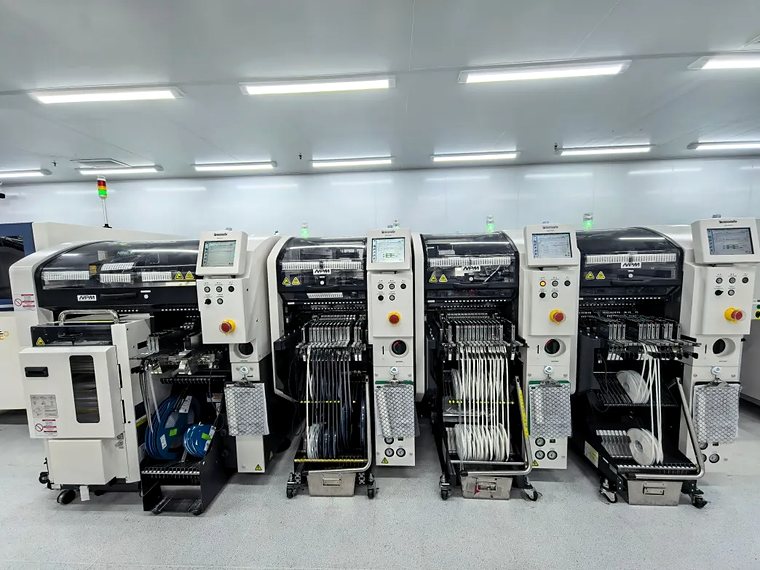

Your design, your steel
Who owns the mold and the design files?
You do, in writing. The NDA comes before the drawings: we sign yours or use ours. For factories overseas, a US-style NDA is slow to enforce, so lawyers commonly recommend an NNN agreement (non-disclosure, non-use, non-circumvention) in the local language. The mold quote states who owns the tool, and the tool carries a nameplate and a custody record.
Partner factories
Where will my product be made?
Jack matches each step to the vetted partner factory that fits it. You are told which country each step runs in before you agree to it, because duty and tariffs follow the country of origin.
Questions inventors ask
Straight answers.
Do I need a patent before I talk to a manufacturer?
Not to start talking. Jack signs your NDA before you share details. When you are ready to file, we line up a USPTO-registered patent attorney or agent and give them the CAD and drawings the application needs. We are manufacturers, not lawyers, so the legal advice comes from them.
Can you help with my trademark and brand?
Yes. A trademark attorney searches and files your brand name and logo, and we coordinate it alongside your packaging artwork. A registered or pending US trademark is what Amazon Brand Registry asks for.
How much does it cost to make a prototype?
It depends on the method. A 3D-printed part can cost tens to a few hundred dollars; a CNC-machined part in production material costs more; molded samples need a small tool. Jack picks the cheapest method that answers the question the prototype has to answer.
How much does an injection mold cost?
Your quote is made against your drawing. Try the free mold cost estimator for a first check.
What is the minimum order for a new product?
It depends on the part size and the tool. Some first runs start in the hundreds of pieces. Jack tells you the real minimum, and the piece price at two or three quantities, before you commit.
How long does it take to go from idea to product?
Products with electronics or several parts take longer.
Will you tell me whether my idea will sell?
No. We do not evaluate commercial potential or promise sales, licensing, retail placement or profit. Anyone who charges you for that opinion deserves a hard look first. We tell you what it costs to make, honestly.
Where is my product made?
Jack matches each step to the vetted partner factory that fits it. You are told which country each step runs in before you agree to it, because duty and tariffs follow the country of origin.
Who owns the mold and the design files?
You should, in writing. On a JCH program the quote states who owns the tool, the tool carries a nameplate and a custody record, and your drawings stay yours.
Can you help with packaging and barcodes?
Yes. Boxes, blister and clamshell packs are made alongside the product. UPC barcodes come from GS1 US, the official source, and the factory can apply them before the cartons are packed.
Can you ship straight to Amazon?
Yes, to an Amazon warehouse, a 3PL or your own dock. Amazon stopped offering its FBA prep and labeling service on January 1, 2026, so the labels and polybags are best done at the factory.
How do I find a manufacturer for my product?
Ask any manufacturer four things before you pay: which factory and country will make it, who owns the mold in writing, how the first article is measured, and what each stage costs. JCH answers all four in the quote. Jack qualifies the partner factories himself through vetted partner factories.
How much does a patent cost in 2026?
Attorney fees are separate. JCH lines up a registered attorney or agent and supplies the drawings; it does not file patents itself.
What is an NNN agreement?
Non-disclosure, non-use, non-circumvention: a contract, usually in the factory's local language, that stops a factory from sharing your design, using it themselves or selling around you. Lawyers commonly recommend it for overseas factories because a US-style NDA is slow to enforce there.
Can you warehouse my product in the US?
Yes. Inventory can be held in commercially leased US warehouse space and released in batches to Amazon, a 3PL, a retailer's distribution center or your own door, so you do not have to take a whole container at once.
How do I get my product into stores?
Retail buyers expect retail-ready packaging, a GS1 barcode, master cartons built to their spec and often product liability insurance. JCH makes the packaging, barcodes and cartons and ships to the buyer's distribution center. Winning the buyer is yours; JCH does not promise placement.
What is an MOQ, and how many should I order first?
MOQ is the minimum order quantity a factory will run. It depends on the part size and the tool. Many first products start with a few hundred to a few thousand units on a tool sized to that run. Jack tells you the real minimum before you commit.
What should I send first?
Whatever you have: a sketch, a photo, a product you can hold, or a paragraph on what it has to do, who uses it, and a target price. Keep the secret details for after the NDA.
What does the first conversation cost?
Nothing. A first call with Jack, and a quote against a drawing, are free. You can book a 15-minute call online.
More in the buyer FAQ.
Tell Jack about your idea
Launch day starts with a few lines.
What it does, who uses it, roughly how many you hope to sell, and a target price. No secrets needed yet; keep the details for after the NDA. Jack reads it himself and replies within 1 business day, usually by phone. That is a goal, not a contractual service level.
Prefer to talk? Book 20 free minutes or call or text (321) 323-4474.
Free help worth knowing
Resources for inventors.
- FTC: invention marketing scamsThe warning signs to check before you pay anyone to promote an idea.
- USPTO: scam preventionHow to check a firm, and where to report one.
- USPTO Patent Pro Bono ProgramFree patent help for inventors who meet the income limits.
- GS1 US barcodesThe official source for UPC barcodes.
- Florida SBDC NetworkFree business consulting for Florida founders.
- Our RFQ checklist (PDF)What a factory needs to quote your part. Free, no sign-up.