


Tooling & molds
Tooling built right, transferable, and honestly priced.
Precision tooling and molds from JCH Design & Manufacturing. Steel selection, cavitation, honest tooling cost, mold transfer and re-qualification. Transferable tools you own, built and run through vetted partner factories. Send a drawing or sample for a quote.
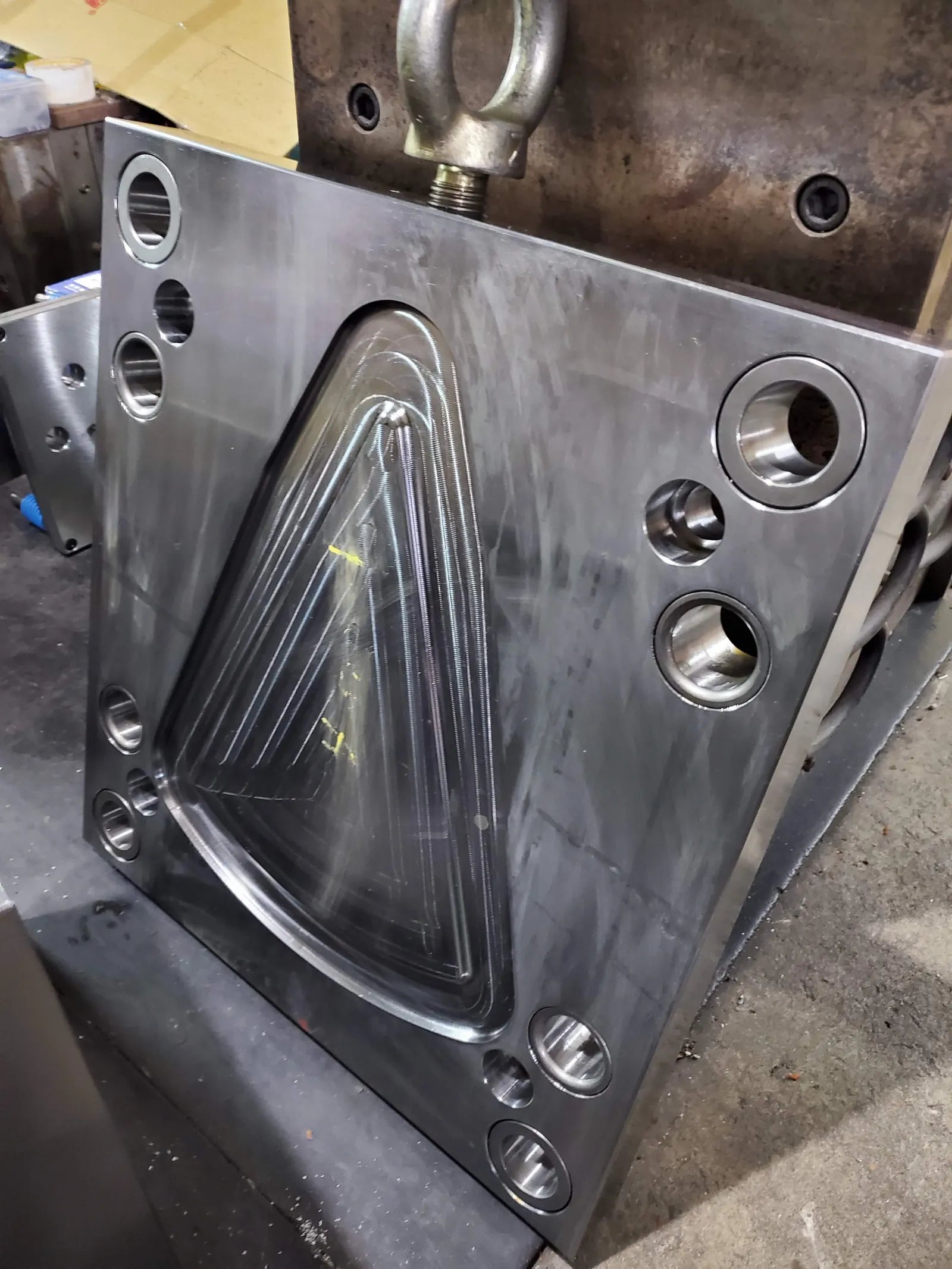
Molds engineered around your volume and resin, with the steel, cavitation and tool life named in writing. Your tool, your drawings, movable when you need it — cut and run at qualified partner tool shops through vetted partner factories.
What CMs and brands come to us for
A tool is a long-term asset. Treat it like one.
The cheapest tool is rarely the cheapest program. We size the steel to the life you need and keep it movable, so you’re never hostage to one factory.
The right steel, not the cheapest
Aluminum, P20, H13 or S136 chosen on shot count and resin — so the tool lasts the volume you’re actually going to run, and no more.
Transfer-ready by design
Standard mold bases, documented and nameplated, so the tool can move to a new press or a new country without a rebuild.
Honest cavitation & cost
Cavity count set by your annual volume, runner chosen on real shot math — priced itemized, with the mechanisms broken out one by one.
Capabilities
Tooling, from a sample to a running mold.
Reverse-engineering, design, build, and the unglamorous work of moving and re-qualifying tools that already exist.
Reverse engineering
CAD built from a physical sample when there’s no drawing, with design-for-manufacture baked in.
Mold design & build
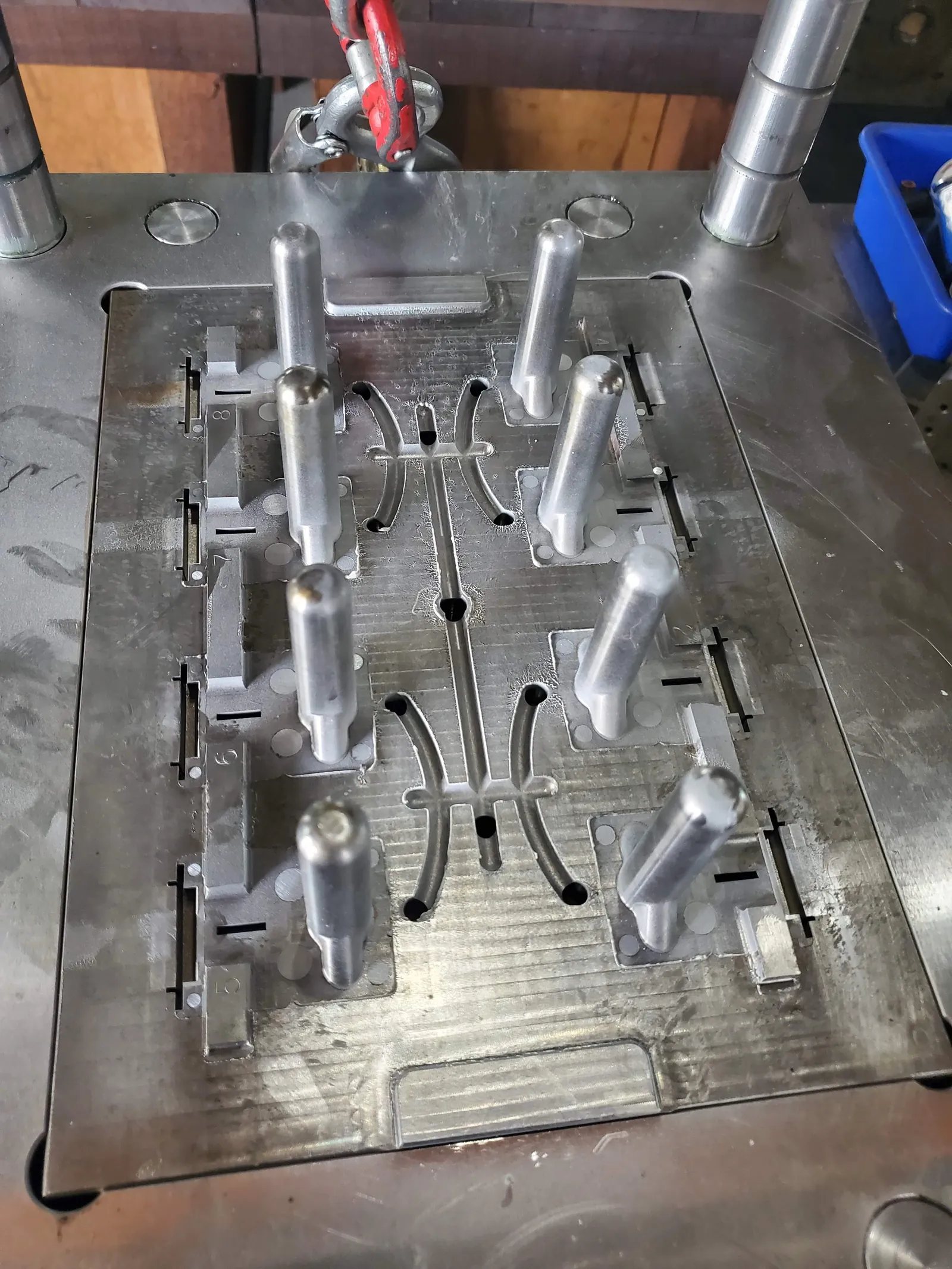
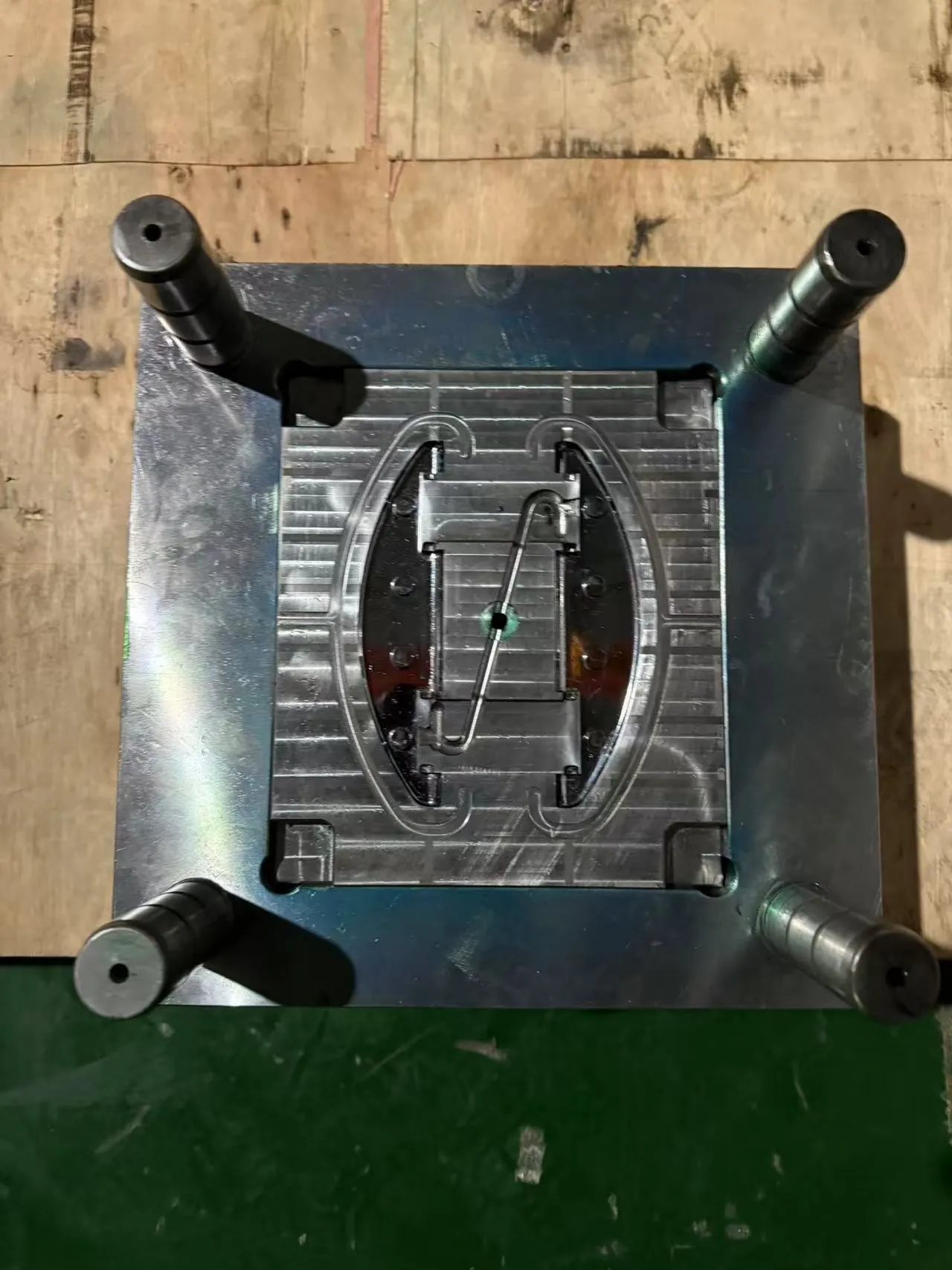
Cavity and core, cooling, ejection and mechanisms engineered for the part and the press it will run on.
Multi-cavity & family tools
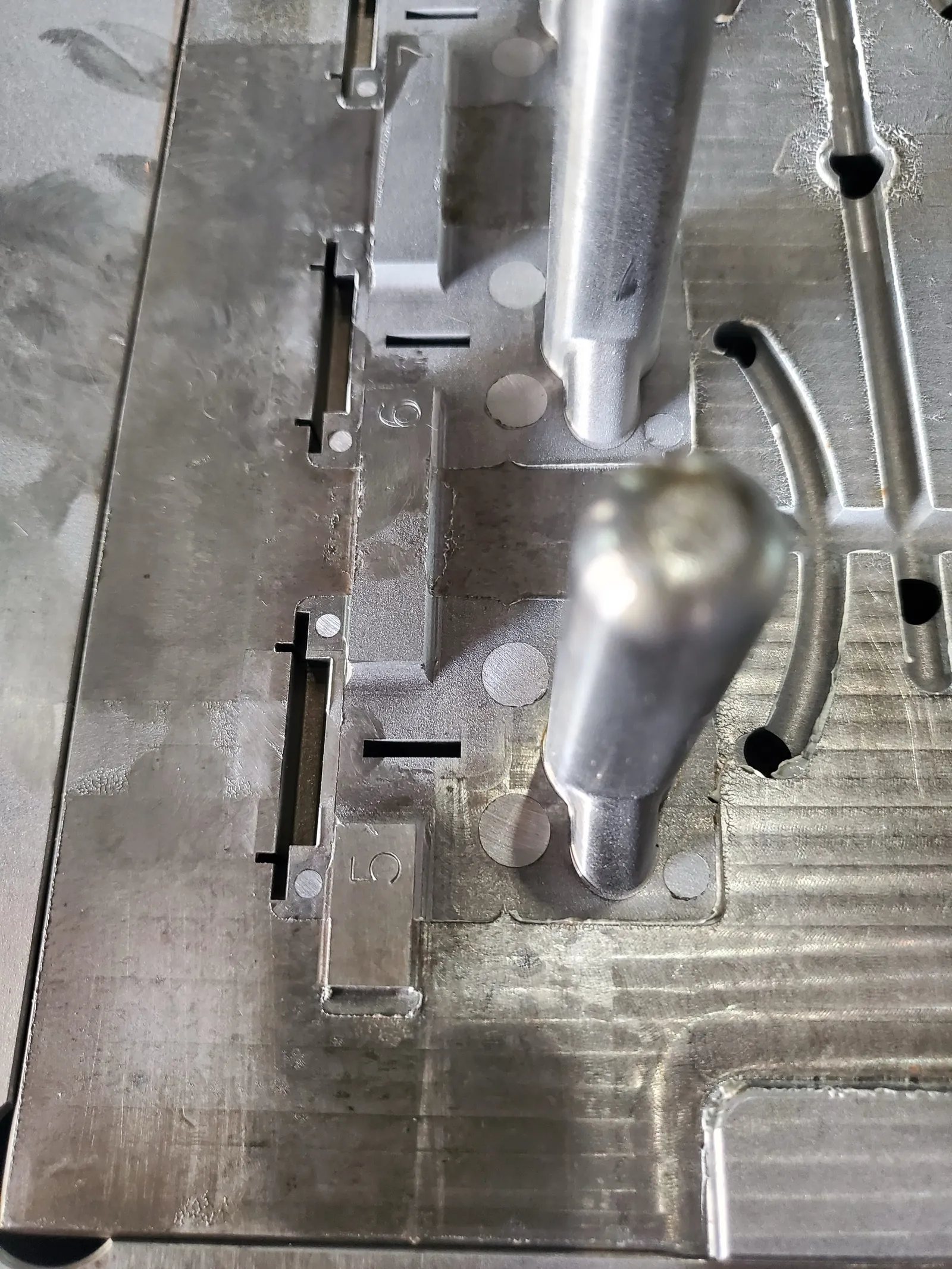
Cavitation and family layouts sized to your volume, with balanced runners and documented cavity numbering.
Slides, lifters & unscrewing
Mechanisms for undercuts, threads and complex geometry, priced and documented individually.
Tool transfer & audit
Existing tools audited for condition, moved, re-qualified on the new press and re-sampled before production.
Maintenance & spares
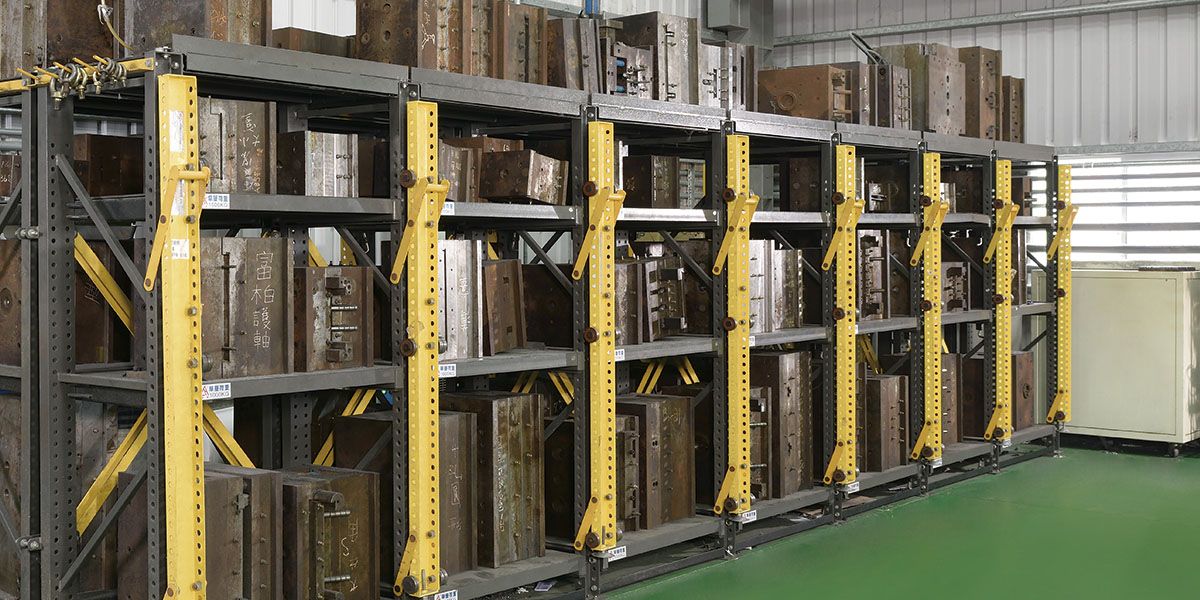
Spare cores and wear parts, polish and texture restoration, and a shot-count custody record.
Materials & construction
Specified once, then held.
Pinned down before sampling, so there is nothing to argue about once a lot is running.
- SteelAluminum, P20, H13 or S136 — chosen by shot count and resin
- Cavitation1–32+ cavities, set by your annual volume
- RunnerHot or cold, chosen on real shot math
- MechanismsSlides, lifters and unscrewing cores priced one by one
- Base & standardsStandard mold bases for transferability and spares
- OwnershipYours in writing, nameplated, with a custody record
How it works
From your files to packaged units.
- Send a sample or drawingA physical part, a CAD file or a photo. We sign your NDA first and reverse-engineer if there’s no drawing.
- Recommend & quoteWe recommend steel and mechanisms for your volume, then quote the tool itemized.
- Build & trialThe tool is cut; first trial shots come off for review.
- Prove & documentMeasured first article to sign-off, then nameplated, numbered and documented as yours.
- Keep it movableWhen you need to move presses or countries, the tool is built and documented to transfer cleanly.
Questions
What buyers ask first.
Do I own the tool?
Yes — in writing, nameplated, with the drawings on your side and a custody record of where it is and how many shots it has run.
Can you move a tool I already have?
Yes. We audit it for condition, move it, re-qualify it on the new press and re-sample before production. Standard mold bases make that clean rather than a rebuild.
How do you choose the steel?
By your annual volume and resin. Aluminum for prototypes, P20 for low-to-mid volumes, H13 or S136 for high volumes and abrasive glass-filled resins. We explain the trade-off rather than just quoting the cheapest.
How is a tooling quote priced?
Itemized: steel grade, cavitation, runner type and each mechanism — slides, lifters, unscrewing cores — broken out so you can compare it line by line against another bid.
Can you build spares and maintain the tool?
Yes — spare cores and wear parts, polish and texture restoration, and a shot-count record so maintenance happens before the tool starts making scrap.
Related
Need a tool built or moved?
Book 15 minutes with Jack. He’ll tell you what steel your volume needs, what it should cost, and how to keep the tool movable.
Ask for time with Jack